
In the high-stakes arena of decentralized finance, where milliseconds can mean millions, event-driven oracles emerge as the linchpin for true reactivity. Unlike their periodic counterparts that drip-feed data and invite slippage, these oracles spring into action the instant an on-chain or off-chain event unfolds, delivering real-time on-chain triggers that keep DeFi protocols nimble and precise. Picture a perpetuals market on GMX or Jupiter: without instant data, traders face outdated prices and eroded edges. EventOracles. com champions this shift, arming builders with low-latency feeds that turn smart contracts into vigilant sentinels.
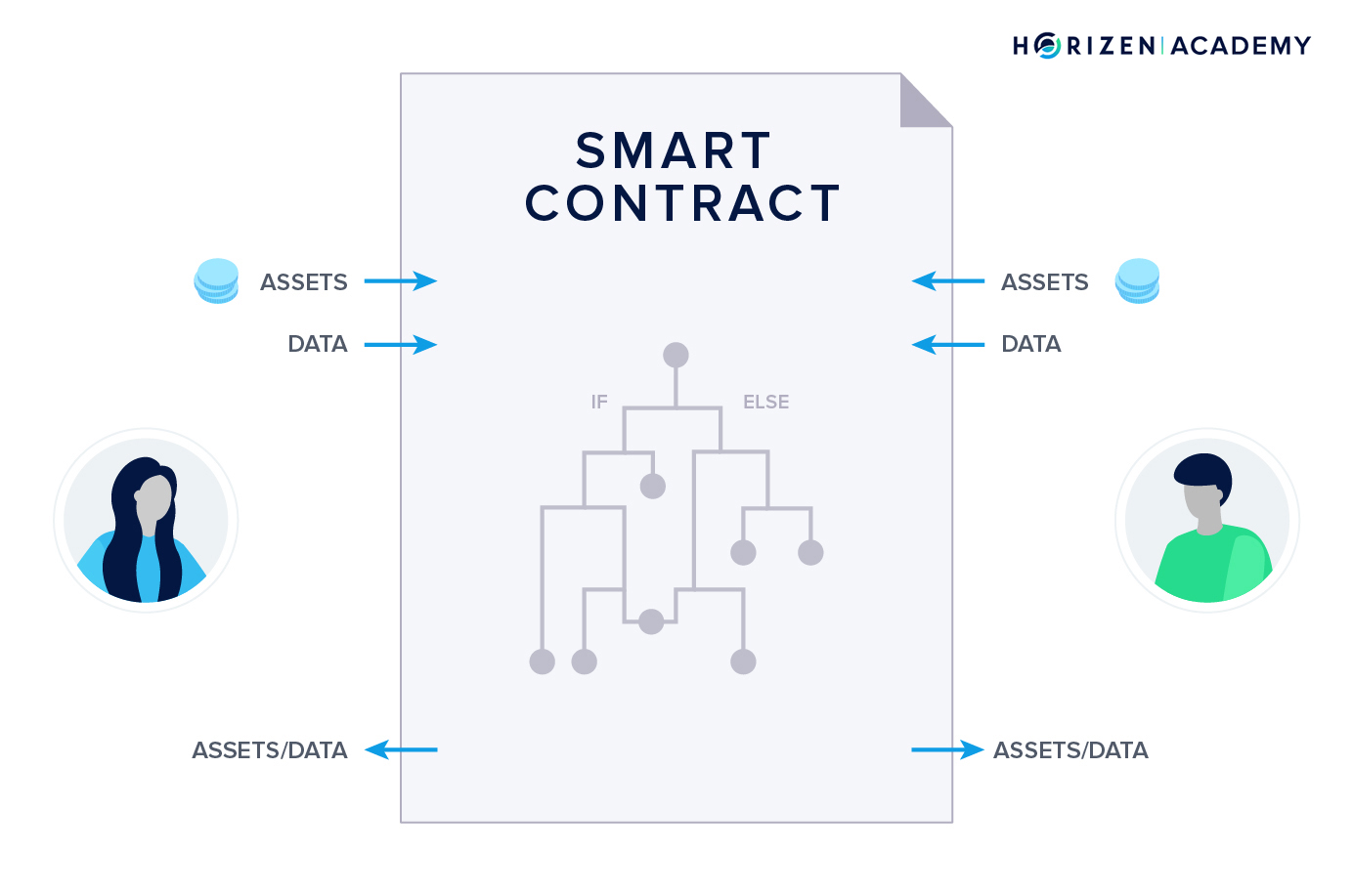
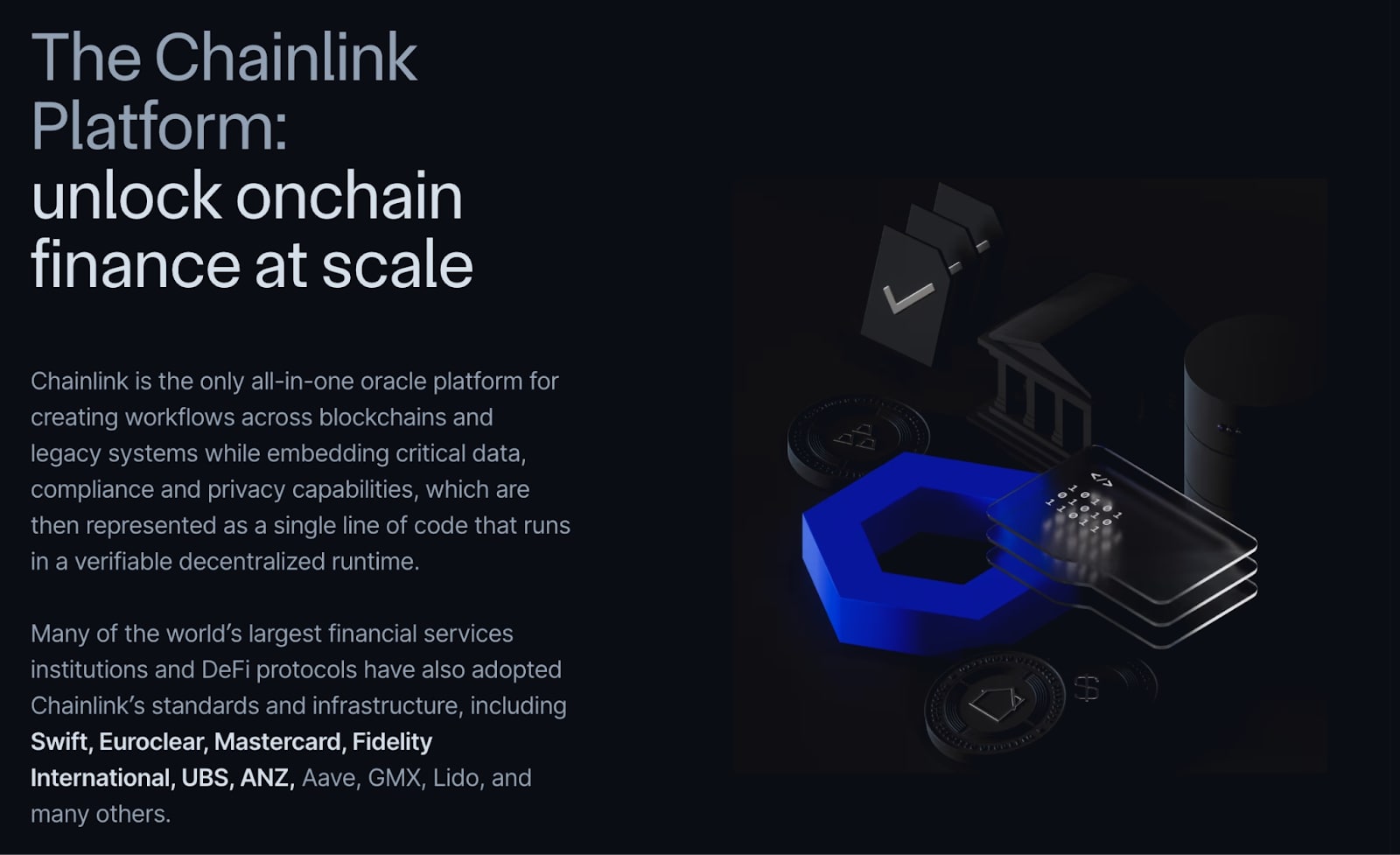
At their core, oracles bridge the blockchain's isolation, funneling external realities like price swings or election outcomes into smart contract logic. Traditional setups poll APIs at fixed intervals, breeding what experts call oracle delays blockchain woes: latency that cascades into faulty liquidations or missed arbitrages. Event-driven oracles, however, flip the script. They monitor streams proactively, firing payloads only when thresholds breach, slashing costs and boosting efficiency. Chainlink's Data Streams exemplify this, powering real-time DeFi perps, while platforms like Ava Protocol orchestrate executions on signals like stop-loss hits.
Why Event-Driven Beats Polling in DeFi
I've managed hybrid portfolios long enough to know that timing trumps volume every time. In DeFi, where protocols like lending pools or yield farms hinge on fresh data, polling oracles create blind spots. An asset's price might crater between updates, triggering improper collateral calls. DeFi event oracles eliminate this by subscribing to event streams: a weather anomaly spikes insurance payouts, or a sports score settles prediction markets, all without human intervention. Sources like Injective highlight event oracles tackling real-world outcomes, from regulatory shifts to supply chain jolts, making smart contracts adaptive beasts rather than rigid code.
Key Benefits of Event-Driven Oracles
- Reduced Latency: Triggers smart contracts immediately on event detection, unlike periodic polling. Powers Chainlink Data Streams for real-time DeFi markets like GMX perps.
- Cost Savings: Just-in-time data reduces constant streaming needs. Supra's Threshold AI Oracles lower operational costs by activating only on conditions.
- Enhanced Security: Real-time event monitoring minimizes exposure windows. Supports forensic tools in Aave V3 event-driven infrastructure.
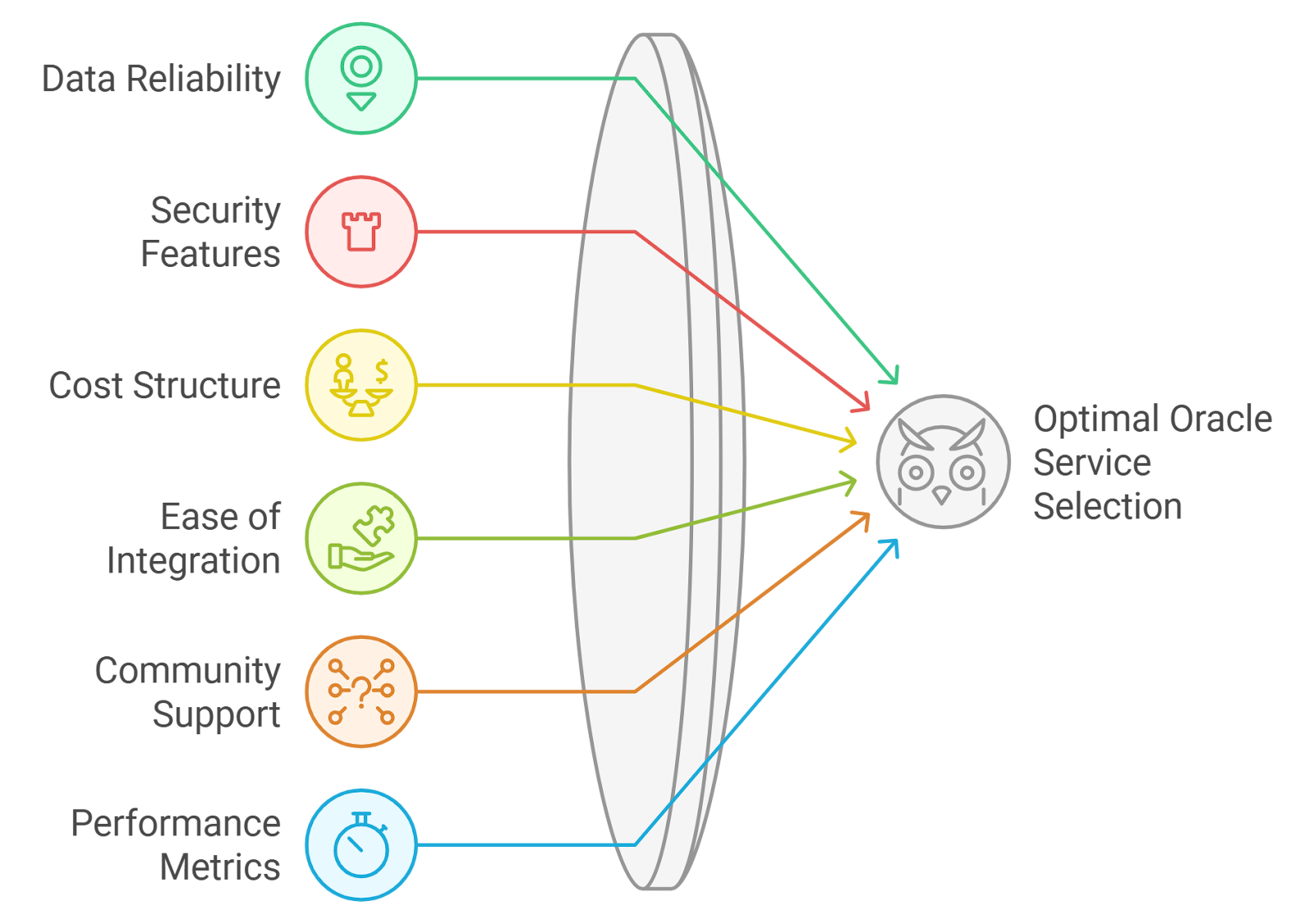
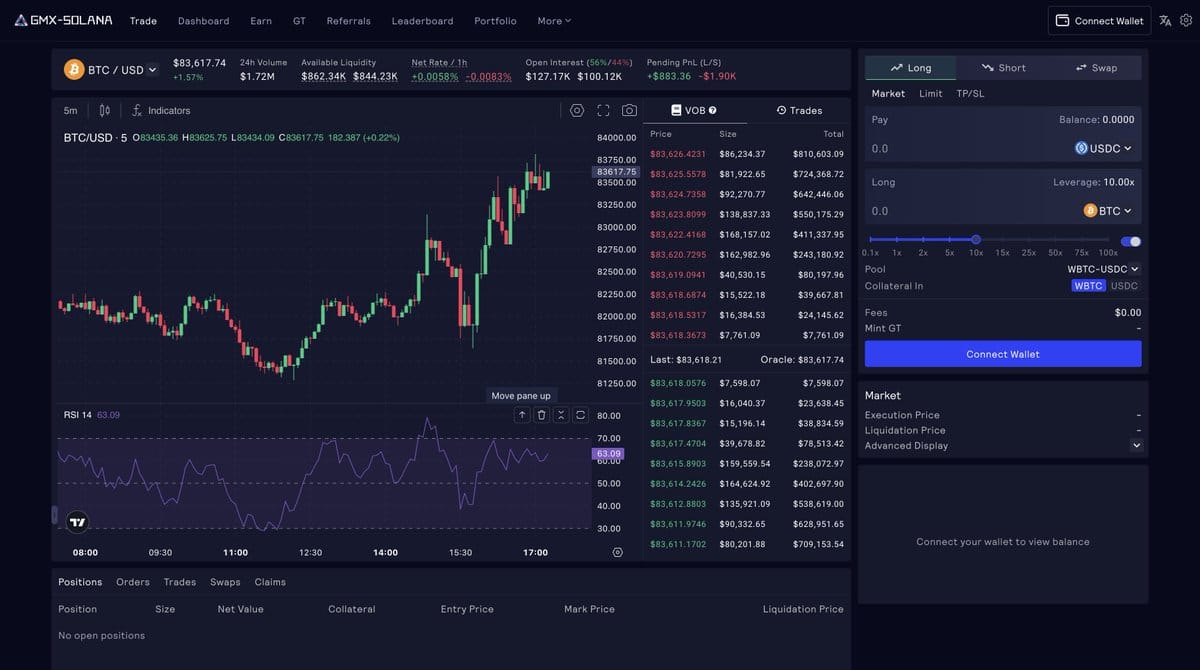
- Seamless DeFi Integrations: Enables protocols like GMX and Jupiter perps, plus cross-chain workflows via Chainlink CRE.
- Scalable Automation: Facilitates dynamic workflows and adaptive contracts responding to on/off-chain events across ecosystems.
This reactivity isn't hype; it's mechanics. Operators in systems like Ava Protocol watch oracle signals to execute trades or payments on the fly, mirroring TradFi's algorithmic precision but decentralized. Hacken. io notes oracles' role in cross-chain data fetches, yet event-driven variants add immediacy, vital for instant smart contract data. In my experience blending forex and crypto, this precision diversifies risk, letting protocols respond to volatility without overexposure.
Overcoming Legacy Oracle Shortcomings
Legacy oracles, for all their merits, suffer from inherent drag. Periodic pulls mean smart contracts sip stale data, vulnerable to manipulation or simple desync. Chiliz underscores how oracles morph contracts into event-responsive systems, but without event-driven architecture, that potential fizzles. Enter the new guard: oracles that push notifications on detection, not request. Supra. com's guide frames them as executors of predetermined actions, while Medium pieces on sensor oracles nod to IoT parallels, where real-time ops data fuels supply chains.

Openware positions oracles as DeFi's backbone, reacting to price fluxes or even weather for crop insurance. Yet, the real edge lies in averting oracle delays blockchain induced losses. OSL emphasizes their API-sourcing prowess for contract execution, but event-driven ones refine it, activating only on merit. This just-in-time ethos cuts gas fees and compute, a boon for scalability in crowded L2s.
Trailblazing Innovations Reshaping DeFi
Recent leaps cement event-driven oracles as indispensable. Threshold AI Oracles from Supra deploy AI agents to scout data, triggering chainside moves at condition hits, ditching endless streams for lean ops. Chainlink's Runtime Environment weaves onchain workflows, firing multi-chain txs on hybrid events. Hyper-heuristic contracts adapt via AI-tuned rules, oracle-fed for dynamic tweaks. Aave V3's event-driven infra unifies cross-chain logs for forensics, blending finality proofs with metrics.
These aren't incremental; they're transformative. In DeFi perps or automated vaults, real-time on-chain triggers mean stop-losses honorably met, yields optimized sans lag. As a portfolio steward, I see this fostering sustainable alpha: balanced exposures that pivot on facts, not forecasts. EventOracles. com's triggers embody this, tailored for builders chasing that edge in Web3's frenzy.
Builders integrating these tools report execution speeds that shave seconds off critical paths, a lifetime in high-frequency DeFi. Threshold AI Oracles stand out for their predictive edge: AI agents parse streams, firing instant smart contract data only on verified breaches, sidestepping the bloat of perpetual polling. This lean model resonates in my balanced approach, mirroring how I trim portfolio fat for enduring gains.
Practical Deployments Powering DeFi Protocols
Take perpetual futures on platforms like GMX: event-driven oracles pipe live orderbook snapshots, ensuring liquidations align with market truth, not echoes. Jupiter's aggregators thrive similarly, routing swaps sans slippage from oracle delays blockchain. Lending giants like Aave leverage event infra to log cross-chain moves, applying finality proofs for ironclad audits. In prediction markets, event oracles settle bets on sports or elections the moment outcomes confirm, injecting trust into speculative plays.
Traditional Polling Oracles vs. Event-Driven Oracles: Key Metrics Comparison
| Metric | Polling Oracles: Cons | Event-Driven Oracles: Pros with DeFi Examples |
|---|---|---|
| Latency | High delays from periodic checks (e.g., minutes) | Sub-second real-time triggers ⚡ Chainlink Data Streams for GMX & Jupiter perps |
| Cost | High gas fees from continuous polling 💸 | Just-in-time execution reduces costs 💰 Threshold AI Oracles (Supra) |
| Security | Increased attack surface & stale data risks | Event verification & real-time monitoring 🔒 Aave V3 event-driven data infrastructure |
| Scalability | Poor performance under high-frequency loads | Handles massive events & cross-chain ops 📈 Chainlink CRE orchestration |
| Use Cases | Limited to batched, non-urgent data | Stop-loss orders, scheduled payments, dynamic triggers 🚀 Ava Protocol, Injective event oracles |
Insurance protocols draw direct fire from these mechanisms too. A hurricane alert triggers parametric payouts, bypassing claims adjusters for pure automation. Yield optimizers shift positions on volatility spikes, harvesting alpha where static strategies falter. From my vantage blending stocks and crypto, this dynamism echoes forex pairs reacting to central bank whispers, but onchain, it's permissionless and verifiable.
Security layers deepen the appeal. Event-driven setups minimize data exposure; no constant feeds mean fewer attack vectors. Hacken. io flags cross-chain fetches as oracle staples, but with push semantics, nodes validate payloads en route, thwarting sandwich assaults. Ava Protocol's flow exemplifies: operators relay signals for stop-losses or timed payments, audited by the chain itself. This fortifies DeFi event oracles against the manipulation plaguing slower kin.
Scaling Horizons and Builder Empowerment
Looking ahead, hyper-heuristic smart contracts herald adaptive futures. Fed by oracles, they tweak fees or collateral ratios via AI heuristics, responding to network congestion or sentiment shifts. Chainlink's CRE orchestrates this across chains, scripting workflows that cascade on triggers like token bridges or governance votes. Aave V3's unified records extend to real-time forensics, quantifying risks in sprawling ecosystems.
Yet scalability beckons bolder plays. Layer-2 rollups amplify real-time on-chain triggers, where EventOracles. com's low-latency feeds shine brightest. Developers craft protocols that pulse with global events: supply chain halts reroute collateral, IoT sensors adjust tokenized assets, regulatory nods unlock vaults. Medium insights on sensor oracles preview this IoT-DeFi fusion, while 4soft. co's AI oracles bridge to predictive analytics.
Emerging DeFi Use Cases
- Prediction Markets: Event oracles report real-world outcomes like sports results or elections, triggering instant settlements on platforms such as those powered by Chainlink and Injective.
- Parametric Insurance: Oracles monitor conditions like weather events to automatically trigger payouts, as seen in protocols integrating Chainlink for real-world data verification.
- Dynamic Yield Farming: Real-time market events adjust farming strategies via oracles like Chainlink Data Streams, optimizing yields in protocols such as GMX.
- Cross-Chain Bridges: Event-driven oracles enable seamless transactions across chains, with Chainlink's Runtime Environment (CRE) orchestrating workflows based on triggers.

- AI-Optimized Lending: Threshold AI Oracles from Supra and Aave V3's event-driven infrastructure use AI to trigger lending adjustments based on real-time data.

Challenges persist, mind you. Oracle centralization risks linger, demanding decentralized node swarms. Finality mismatches across chains require savvy proofs, as emergentmind. com charts for Aave. But solutions coalesce: threshold signatures, zero-knowledge relays. In my 12 years steering portfolios, I've learned resilience stems from layered defenses, much like these oracles fortify DeFi.
EventOracles. com distills this evolution into deployable triggers, purpose-built for innovators. Low-latency, secure, scalable: they equip dApps to outpace rivals in Web3's arena. Whether perps, vaults, or novel hybrids, the message rings clear: in DeFi's tempo, reactivity reigns. Harness event-driven oracles, and watch your protocols not just survive, but dominate the blockchain frontier.




No comments yet. Be the first to share your thoughts!