
In the high-stakes arena of DeFi protocols, where milliseconds can mean millions, event-driven oracles stand out as a game-changer. Traditional oracles deliver data on schedules or pulls, often lagging behind the blockchain's pulse. Event-driven oracles flip this script: they activate precisely when on-chain events unfold, feeding real-time oracle triggers that propel smart contracts into action without delay. This precision fuels everything from automated liquidations in lending platforms to instant settlements in prediction markets, minimizing risks and maximizing capital efficiency.
Consider a volatile perpetuals exchange. Price swings trigger margin calls, but polling oracles every block wastes gas and introduces slippage. An event-driven oracle listens for the event - say, a leverage position nearing liquidation threshold - and pushes verified data on-chain instantly. Developers gain on-chain event data feeds that sync seamlessly with blockchain happenings, turning reactive smart contracts in DeFi into proactive powerhouses.
Architectures Powering Blockchain Event Oracles in Web3
At their core, these oracles draw from event-driven architectures proven in traditional systems, now hardened for blockchain's determinism. Platforms like Chainlink Automation pioneered this by registering smart contracts to watch for specific logs or conditions, executing upkeep tasks only when triggered. No more cron-job inefficiencies; instead, a pub-sub model where off-chain nodes monitor mempools and blocks, relaying triggers via secure proofs.
Reactive smart contracts in DeFi take it further. Reactive Network's approach, for instance, uses event subscriptions to automate prediction market resolutions. When a real-world event resolves - a sports score or economic datum - oracles pipe it on-chain, triggering payouts without human intervention. Academic designs like EDSC outline event-driven smart contract platforms with native real-time processing, decoupling execution from block times for sub-second responsiveness.
This shift addresses DeFi's oracle problem head-on. Blockchains are deterministic silos; oracles bridge them to the world. Event-driven variants minimize latency, crucial for blockchain event oracles Web3 apps like gaming where outcomes hinge on live feeds or insurance where parametric triggers demand immediacy.
Real-World Triggers: From Prediction Markets to Automated Execution
Prediction markets exemplify the potency. On-chain contracts define rules for creation, trading, and resolution, but they stall without timely oracles. Event-driven systems automate this: subscribe to an event stream, verify via decentralized nodes, and resolve. Stork's October 2025 integration with Kalshi exemplifies this, piping event contract data across chains for novel DeFi primitives and analytics atop prediction layers.
Similarly, lending protocols benefit immensely. Imagine collateral values dipping due to a flash crash; an oracle detects the on-chain transfer event, fetches spot prices, and triggers liquidation auctions before cascading failures. Gelato's Web3 Functions now support such event triggers, ditching periodic checks for instant reactions, slashing costs in gas-heavy environments.
Event-driven execution isn't hype; it's the infrastructure upgrade DeFi needs to scale beyond speculation into reliable financial rails.
Yet, security remains paramount. These oracles employ time-weighted average price (TWAP) feeds, multi-node consensus, and zero-knowledge proofs to thwart manipulation. Chainlink's Data Streams, launched recently, offer pull-based high-frequency data, letting protocols consume streams on-demand for latency-sensitive trades while preserving trustlessness.
Recent Integrations Accelerating Adoption in DeFi
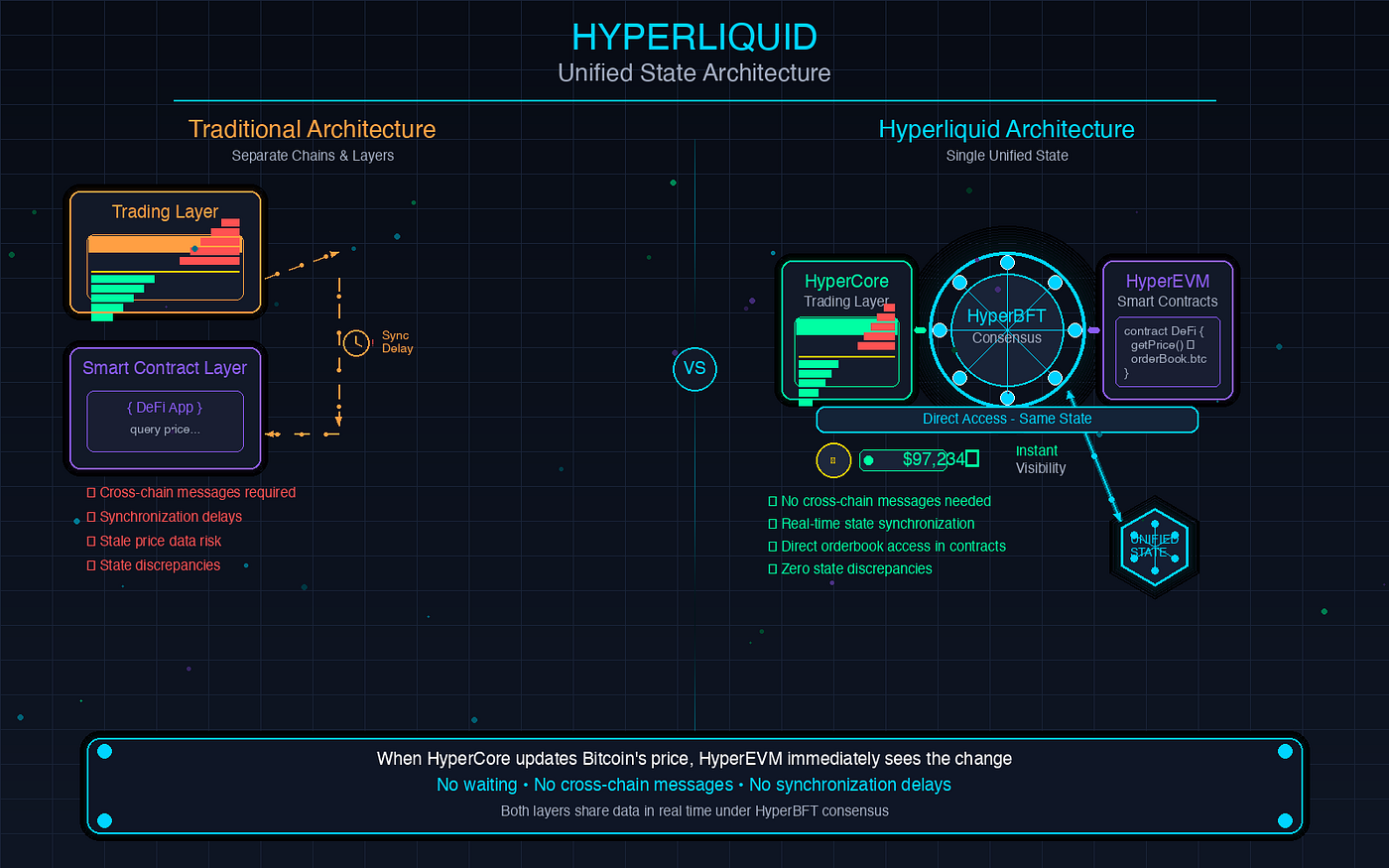
2025 marked a inflection point. DIA's December tie-up with Hyperliquid brought verifiable oracles to HyperEVM, empowering lending, stablecoins, and derivatives with transparent feeds. Developers now build robust apps unhindered by opaque data sources. Stork-Kalshi unlocked cross-chain event data, birthing hybrid DeFi-prediction hybrids that settle bets on real events with on-chain liquidity.
Gelato's event-driven Web3 Functions further streamline this by enabling instant responses to on-chain events, replacing wasteful polling with precise executions that conserve gas and boost throughput. Chainlink Data Streams complement these efforts, delivering pull-based, high-frequency feeds that DeFi protocols tap into as needed, ideal for strategies demanding sub-second precision without compromising decentralization.
Practical Implementation: Wiring Event-Driven Oracles into DeFi Protocols
Integrating event-driven oracles demands a structured approach, blending off-chain monitoring with on-chain verification. Developers start by defining trigger events - such as price thresholds or transfer logs - and register them with the oracle network. Off-chain nodes, often decentralized, scan mempools and blocks, pushing payloads via callbacks or direct contract calls upon detection. Solidity contracts then validate these via signatures or Merkle proofs, executing logic like liquidations or rebalances.
Solidity Example: Lending Contract with Event-Driven Oracle Integration
The following Solidity code illustrates a simplified DeFi lending contract that integrates an event-driven oracle. The oracle provides real-time price updates via its `PriceUpdated` event, while the lending contract emits a `HealthFactorLow` event upon detecting undercollateralized positions through the `checkHealth` function. This design supports automated, real-time liquidation triggers by external keepers monitoring these events.
```solidity
pragma solidity ^0.8.0;

interface IEventDrivenOracle {
    event PriceUpdated(address indexed token, uint256 price);
    function latestPrice(address token) external view returns (uint256);
}

contract DeFiLending {
    IEventDrivenOracle public immutable oracle;

    mapping(address => uint256) public collateralDeposited;
    mapping(address => uint256) public borrowAmount;

    uint256 public constant LIQUIDATION_THRESHOLD = 125; // 125% collateralization ratio
    uint256 public constant LIQUIDATION_BONUS = 5; // 5% bonus for liquidator

    event Deposit(address indexed user, uint256 amount);
    event Borrow(address indexed user, uint256 amount);
    event HealthFactorLow(address indexed user, uint256 healthFactor);
    event Liquidated(address indexed user, address indexed liquidator, uint256 debtRepaid, uint256 collateralSeized);

    constructor(address _oracle) {
        oracle = IEventDrivenOracle(_oracle);
    }

    /// @notice Deposit collateral (assumes ETH for simplicity)
    function deposit() external payable {
        collateralDeposited[msg.sender] += msg.value;
        emit Deposit(msg.sender, msg.value);
    }

    /// @notice Borrow stablecoin (simplified, assumes transfer handled externally)
    function borrow(uint256 amount) external {
        uint256 collateralValue = collateralDeposited[msg.sender] * oracle.latestPrice(address(0)); // ETH price
        uint256 totalDebtValue = (borrowAmount[msg.sender] + amount) * 1e18; // Assume stablecoin pegged to 1
        require(collateralValue >= totalDebtValue * 125 / 100, "Insufficient collateral");
        borrowAmount[msg.sender] += amount;
        emit Borrow(msg.sender, amount);
    }

    /// @notice Check health and emit event if low (called by keepers or internally)
    function checkHealth(address user) external {
        if (borrowAmount[user] == 0) return;
        uint256 collateralValue = collateralDeposited[user] * oracle.latestPrice(address(0));
        uint256 healthFactor = collateralValue * 100 / (borrowAmount[user] * 1e18);
        if (healthFactor < LIQUIDATION_THRESHOLD) {
            emit HealthFactorLow(user, healthFactor);
        }
    }

    /// @notice Liquidate undercollateralized position
    function liquidate(address user) external {
        if (borrowAmount[user] == 0) revert("No debt");
        uint256 collateralValue = collateralDeposited[user] * oracle.latestPrice(address(0));
        uint256 healthFactor = collateralValue * 100 / (borrowAmount[user] * 1e18);
        require(healthFactor < LIQUIDATION_THRESHOLD, "Healthy position");

        uint256 debtToRepay = borrowAmount[user];
        uint256 collateralToSeize = (debtToRepay * 1e18 * (100 + LIQUIDATION_BONUS)) / oracle.latestPrice(address(0));

        collateralDeposited[user] -= collateralToSeize;
        borrowAmount[user] = 0;

        // Transfer logic simplified
        emit Liquidated(user, msg.sender, debtToRepay, collateralToSeize);
    }
}
```
This architecture ensures that liquidations are prompted efficiently in response to oracle price updates or health checks, maintaining protocol solvency. Note that production implementations would include comprehensive access controls, token transfers, and reentrancy protections.
This model shines in perpetuals DEXes, where real-time oracle triggers sync collateral checks to market volatility. No longer do protocols guess at prices between blocks; instead, they react with verified on-chain event data feeds, curtailing bad debt and enhancing user trust. Reactive smart contracts in DeFi evolve from static rules to dynamic responders, adapting to blockchain rhythms.
Yet adoption hinges on developer tools. Platforms expose APIs for event subscriptions, akin to Reactive Network's RSCs, where contracts subscribe to streams much like pub-sub systems. This abstraction hides complexity, letting builders focus on logic over infrastructure.
Key Benefits of Event-Driven Oracles
- Reduced Gas Costs: Activates only on specific events, eliminating periodic polling inefficiencies, as in Gelato Web3 Functions.
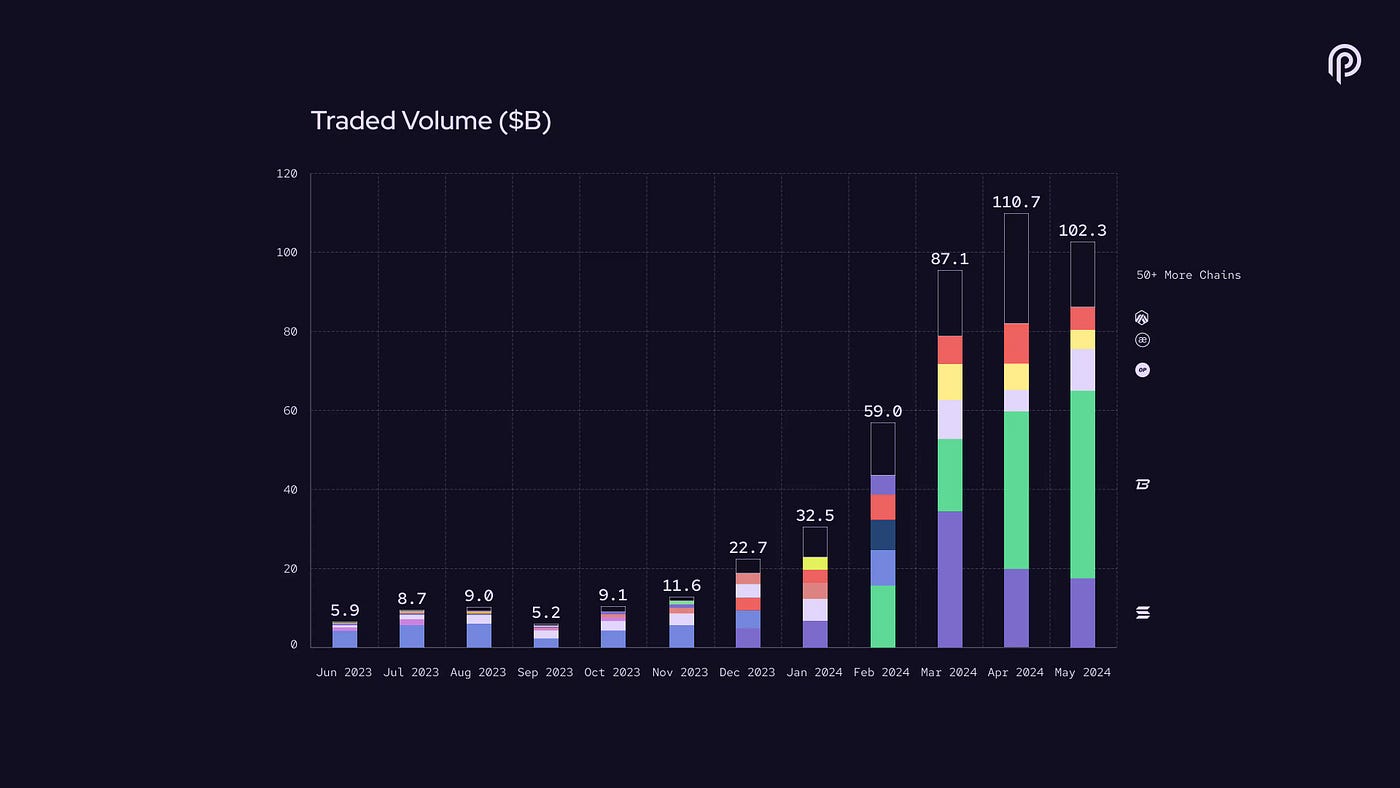
- Minimized Latency: Delivers near real-time data for latency-sensitive DeFi via pull-based designs like Chainlink Data Streams.
- Enhanced Security: Targeted triggers and verifiable feeds reduce attack surfaces with trust-minimized oracles, per DIA-Hyperliquid integration.

- Scalability for High-Volume DeFi: Handles high-throughput apps like lending and derivatives without degradation, enabled by event-driven architectures.
- Seamless Prediction Market Integration: Brings event data on-chain, as with Stork-Kalshi partnership for new DeFi primitives.

Navigating Challenges: Security and Scalability in Blockchain Event Oracles
Despite momentum, hurdles persist. Front-running attacks loom if triggers leak via public mempools, prompting solutions like private mempools or threshold signatures. Scalability tests networks during surges; DIA's Hyperliquid integration counters this with verifiable computation, distributing load across nodes. Oracle centralization risks linger, though multi-oracle aggregation - fusing Chainlink, Stork, and Gelato feeds - mitigates single points of failure.
Manipulation resistance defines robustness. TWAPs smooth outliers, while economic incentives align node honesty. In my view, as someone versed in risk management, these mechanisms echo conservative portfolio hedging: diversify sources, validate rigorously, and trigger only on conviction. DeFi's maturation depends on such discipline, turning blockchain event oracles Web3 from novelty to necessity.
Regulatory shadows also emerge, particularly for prediction markets bridging real-world events. Kalshi's on-chain push via Stork invites scrutiny, yet transparent oracles provide audit trails that centralized exchanges envy. Developers must embed compliance hooks, like geofencing or KYC oracles, to future-proof protocols.
Looking ahead, AI integration beckons. AI-powered oracles could predict events, pre-empting triggers for proactive DeFi - imagine lending pools adjusting rates before volatility spikes. Combined with zero-knowledge rollups, event-driven systems will handle millions of TPS, unlocking mass adoption.
EventOracles. com positions itself at this nexus, offering tailored event-driven oracles that developers deploy with minimal friction. By prioritizing precision and reliability, these tools empower protocols to thrive amid blockchain's relentless pace, fostering a DeFi ecosystem where capital flows unhindered by data delays.




No comments yet. Be the first to share your thoughts!