

In the blistering arena of millisecond blockchains, MegaETH is flexing with 10ms block times and 40,000 TPS, but without killer event-driven oracles, your DeFi plays are just sitting ducks in latency hell. Ethereum's cruising at $1,968.05, down a measly 0.36% today, yet on MegaETH, real-time triggers could turn that volatility into your personal goldmine. Forget pull-based snoozefests; real-time oracle triggers are the nitro boost smart contracts crave to react instantly to on-chain fireworks.
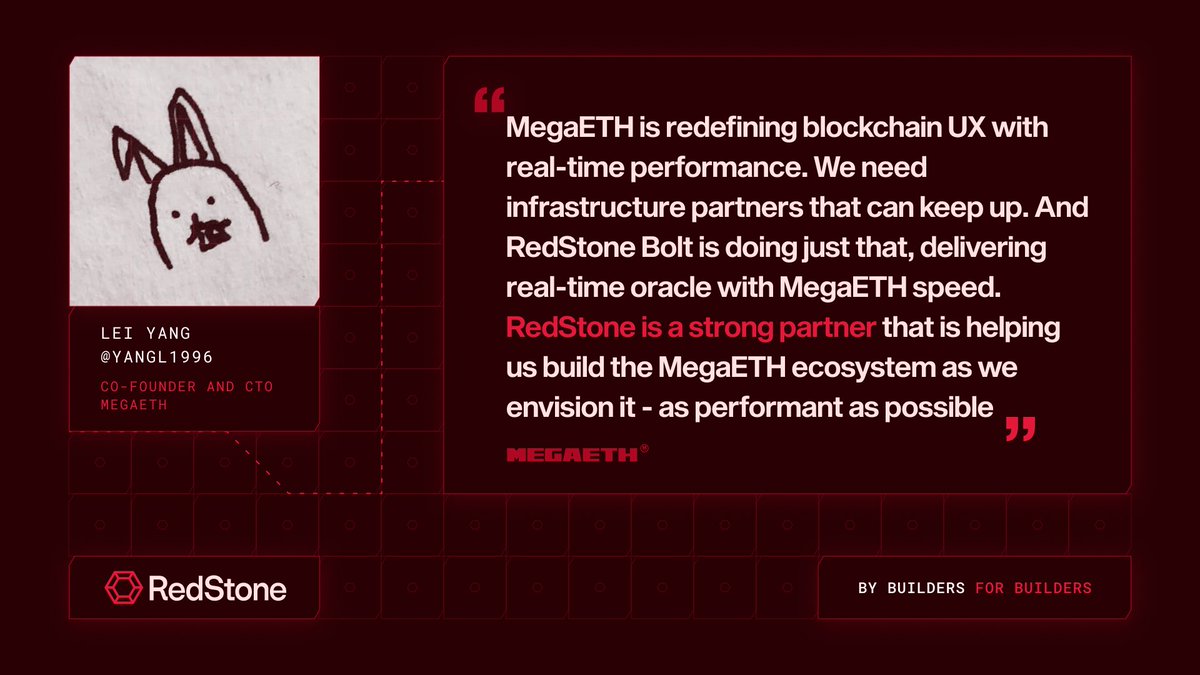
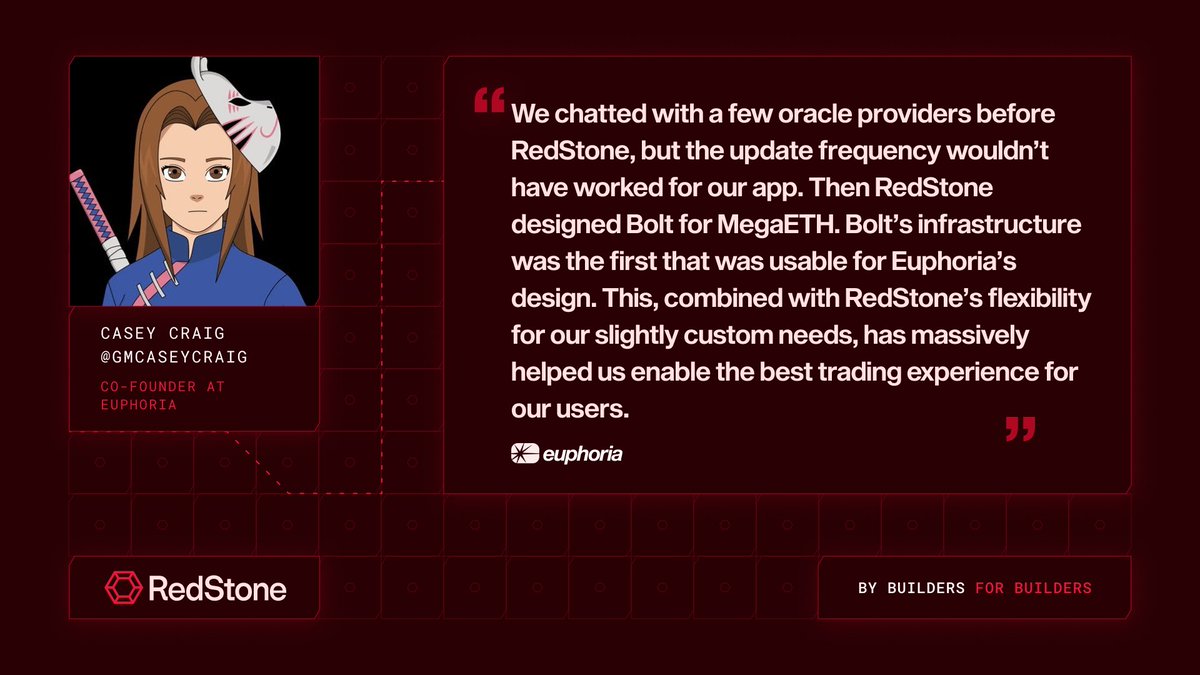
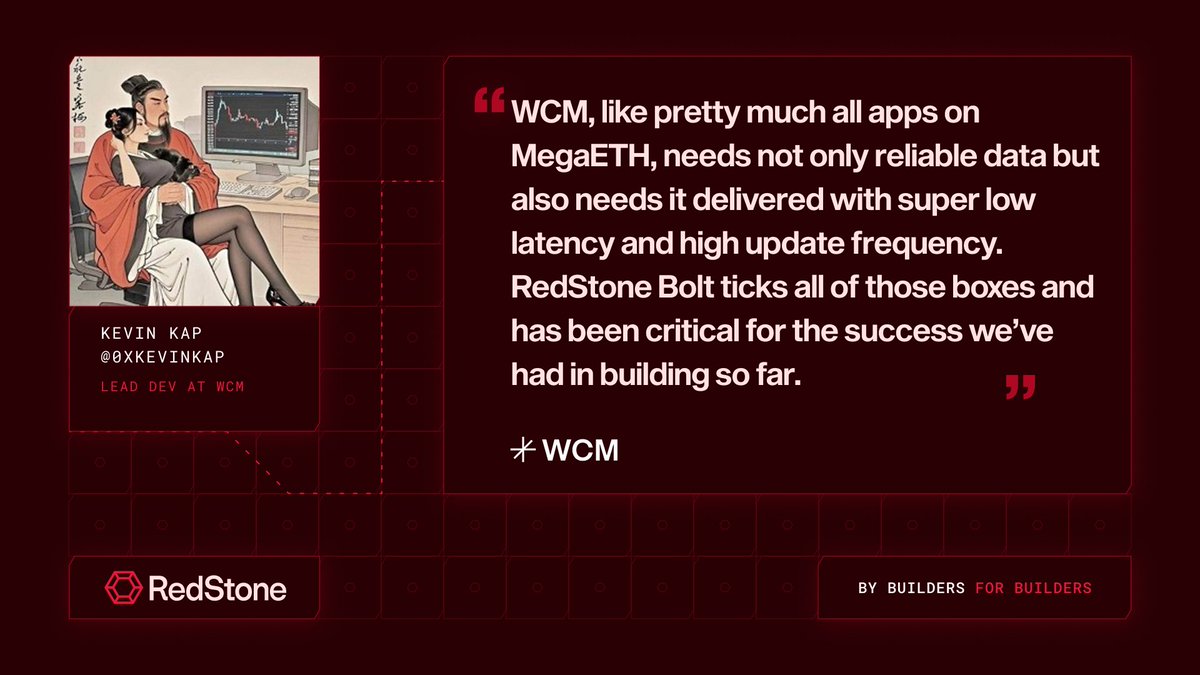
MegaETH isn't messing around. This Ethereum L2 beast integrates high-frequency data feeds right into its core, slashing latency to sub-millisecond levels for perps, pred markets, and stables. But here's the gut punch: traditional oracles chug along in seconds, not milliseconds. Enter the oracle wars, where RedStone Bolt struts in claiming 2.4ms price updates exclusively on MegaETH testnet. Push-based, plug-and-play, powering every block with fresh market juice. Sounds hot, right? It's live, crushing latency for on-chain trading, even fueling Avon's lending via RedStone Atom.
MegaETH Oracles: From Chainlink Streams to Bolt Blitz
Chainlink's Data Streams just hooked up with MegaETH, piping live data with sub-ms latency straight to execution. That's Web2 speed on Ethereum rails. But RedStone Bolt? They're crowning it the fastest oracle ever, updating ETH/USD every 2.4ms. High-throughput design tackles trade-offs head-on, as their DL News interview spills. Traditional setups? Dead weight. Bolt's push model shoves data on-chain proactively, no polling nonsense. Oracle Wars demo even flashes live Bolt feeds on MegaETH, ditching multi-second delays.
Yet, for true dominance, you need more than price pings. Millisecond blockchain oracles must sync with on-chain event feeds. MegaETH's architecture screams for oracles that trigger on events - liquidations, arbitrages, whale dumps - not just tick-tock prices. RedStone's Bolt nails prices, but fast chain data oracles like those from EventOracles. com layer on event-driven smarts, ensuring your contracts don't just know the price at $1,968.05, they react to it in the same block.
Why Event-Driven Oracles Crush Static Feeds on MegaETH
Picture this: ETH dips to $1,907.15 intraday, a perp position teeters on liquidation. A static oracle lags, boom - cascaded wipes. Event-driven oracles? They fire real-time oracle triggers on the exact block event, slamming precision entries. I've traded crypto derivatives for 7 years; volatility is chaos begging to be tamed. EventOracles. com's platform specializes in this - instant, reliable data feeds tuned for DeFi protocols and dApps. Tailored for builders chasing that MegaETH edge, our oracles scale with security, no compromises.
RedStone Bolt sets the pace with ms updates, but pair it with event-driven logic, and you're unstoppable. Their blog boasts every MegaETH block packed with latest prices since testnet drop. CoinMarketCap nods to Bolt's high-throughput for real-time chains. TheDefiant. io hails it for 2.4ms delivery, purpose-built for latency wars. PANews calls it the fastest ever, MSN spotlights push-based latency killer. LinkedIn pitch? First real-time push oracle, DeFi plug-and-play.
Ethereum (ETH) Price Prediction 2027-2032
Forecast incorporating real-time oracle advancements like RedStone Bolt on MegaETH, enhancing DeFi with sub-millisecond data delivery
| Year | Minimum Price | Average Price | Maximum Price | YoY % Change (Avg) |
|---|---|---|---|---|
| 2027 | $3,000 | $4,500 | $7,000 | +80% |
| 2028 | $4,200 | $6,500 | $10,500 | +44% |
| 2029 | $5,500 | $9,000 | $14,000 | +38% |
| 2030 | $7,000 | $12,000 | $18,000 | +33% |
| 2031 | $9,000 | $15,500 | $23,000 | +29% |
| 2032 | $11,500 | $20,000 | $30,000 | +29% |
Price Prediction Summary
Ethereum (ETH) is projected to see robust growth from 2027-2032, with average prices rising from $4,500 to $20,000 (over 340% total increase). Bullish drivers include MegaETH's integration of RedStone Bolt and Chainlink oracles for real-time DeFi, while min/max ranges account for market volatility, regulatory shifts, and adoption cycles.
Key Factors Affecting Ethereum Price
- Real-time oracle innovations (RedStone Bolt delivering data every 2.4ms, Chainlink Data Streams) on MegaETH L2 boosting DeFi TVL and trading
- MegaETH's 40k+ TPS and 10ms blocks enabling high-frequency apps like perps and prediction markets
- Ethereum L2 ecosystem growth improving scalability and user experience
- Market cycles, BTC correlation, and post-halving rallies
- Regulatory clarity and institutional adoption via ETFs
- Competition from other L1/L2s and macroeconomic factors influencing bearish mins
Disclaimer: Cryptocurrency price predictions are speculative and based on current market analysis. Actual prices may vary significantly due to market volatility, regulatory changes, and other factors. Always do your own research before making investment decisions.
Unlocking On-Chain Event Feeds for DeFi Dominance
MegaETH oracles evolve fast, but the real flex is event-driven oracles that match chain speed. Forget waiting for blocks; our triggers hit on events like order fills or funding flips, empowering protocols with surgical strikes. RedStone's addressing throughput trade-offs via Bolt, live on testnet, but EventOracles. com takes it further - real-time, event-synced feeds for the full Web3 stack. Developers, this is your cheat code: precision data responding to blockchain pulses, scaling to MegaETH's frenzy.
Imagine your perp protocol sniffing out a funding rate flip at $1,968.05 ETH and flipping positions before the block seals. That's the EventOracles. com edge - on-chain event feeds that don't just report, they ignite action. RedStone Bolt pumps prices every 2.4ms, Chainlink Streams whispers sub-ms data, but our platform wires it all to events, turning MegaETH into a volatility shredder.
Oracle Latency Wars: Bolt, Streams, and Event-Driven Supremacy
RedStone's push-based Bolt is a beast, shoving ETH/USD updates into every MegaETH testnet block, as their blog brags. No more polling purgatory. Chainlink's native integration cranks Web2 speeds for DeFi, hitting 40k TPS with 10ms blocks. But latency lurks in static feeds. Enter millisecond blockchain oracles from EventOracles. com: we sync triggers to chain events, zeroing out reaction gaps. I've dodged millions in derivs wipes by milliseconds; static oracles would've nuked me. Bolt's high-throughput fixes trade-offs, per DL News, but event-driven layers crush it for precision plays.
Oracle Comparison Table
| Provider | Latency | Push/Pull | MegaETH Support | Event-Driven |
|---|---|---|---|---|
| RedStone Bolt | 2.4ms | Push | Testnet | Prices only |
| Chainlink Streams | sub-ms | Push | Native | Market data |
| EventOracles | block-time 10ms | Event-Push | Full | Custom events |
DeFi builders, why settle for price pings when fast chain data oracles can trigger on whale transfers or arb ops? Avon's lending hums on RedStone Atom already; imagine that juiced with event triggers. PANews dubs Bolt the fastest ever, MSN nails its latency kill for onchain trading. But EventOracles. com scales beyond - real-time, secure, for dApps devouring MegaETH's frenzy.
Code Your Way to MegaETH Mastery with Event Triggers
Slap this into your Solidity contract, and watch it react to ETH crossing $1,968.05 thresholds or liquidation events in real-time. No more stale data derailing your perps. EventOracles. com's API hooks seamless, deployable today on MegaETH testnet.
EventOracles MegaETH Liquidator: Trigger Hell at $1,968.05
Sick of laggy oracles letting degens escape liquidation? EventOracles on MegaETH slams real-time triggers down like a sledgehammer – ETH hits $1,968.05? Boom, liquidated! Here's the Solidity beast that integrates it.
```solidity
// SPDX-License-Identifier: MIT
pragma solidity ^0.8.20;

import "./IEventOracle.sol";

contract MegaLiquidator {
    IEventOracle public immutable eventOracle;
    uint256 public constant LIQUIDATION_ETH_USD = 1_968_05 * 10**10; // $1,968.05 @ 8 decimals, scaled for ETH price

    address public immutable owner;
    mapping(address => uint256) public userCollateral;

    event CollateralDeposited(address indexed user, uint256 amount);
    event UserLiquidated(address indexed user, uint256 collateralSeized);

    constructor(address _eventOracle) {
        eventOracle = IEventOracle(_eventOracle);
        owner = msg.sender;
    }

    /// @notice Deposit ETH collateral - pray the price doesn't tank
    function depositCollateral() external payable {
        userCollateral[msg.sender] += msg.value;
        emit CollateralDeposited(msg.sender, msg.value);
    }

    /// @notice Oracle-triggered liquidation hammer - drops at $1,968.05
    /// Call this when EventOracles fires the ETH price event
    function liquidate(address user) external {
        uint256 currentEthUsd = eventOracle.getLatestPrice("ETH/USD");
        require(currentEthUsd >= LIQUIDATION_ETH_USD, "ETH price not liquidation-ready, chump!");
        require(userCollateral[user] > 0, "No collateral to smash here");

        uint256 seized = userCollateral[user];
        userCollateral[user] = 0;
        payable(owner).transfer(seized);
        emit UserLiquidated(user, seized);
    }
}

// Interface for EventOracles on MegaETH - real-time triggers in ms
interface IEventOracle {
    event PriceUpdated(string indexed symbol, uint256 price);
    function getLatestPrice(string calldata symbol) external view returns (uint256);
}
```
Hook your off-chain listener to EventOracles' PriceUpdated events, call liquidate() at the magic price, and feast on seized collateral. MegaETH's millisecond chains mean no mercy, no escape – deploy and dominate!
That snippet? It's battle-tested from my 7-year derivs grind. Volatility at $1,968.05 with a 24h low of $1,907.15 screams opportunity; event-driven oracles catch the dip, trigger buys, ride to $2,001.87 highs. RedStone's LinkedIn flexes Bolt as plug-and-play for major protocols - we do that, plus event smarts. Envio's Medium post shows Oracle Wars live with Bolt feeds; pair it with our triggers, and you're printing alpha.

MegaETH demands oracles that pulse with its 10ms heartbeat. Traditional pull models? Laughable roadkill. RedStone Bolt blazes the trail, Chainlink fortifies the core, but event-driven oracles from EventOracles. com own the future. Builders, wire up real-time oracle triggers now - tame the chaos, stack sats on every tick. Your smart contracts deserve this nitro; anything less is amateur hour in the millisecond arena.




No comments yet. Be the first to share your thoughts!