
In the fast-evolving world of DeFi, smart contracts need more than static data feeds; they crave instant reactions to blockchain events. On-demand event-driven oracles step in here, delivering real-time on-chain triggers that let protocols respond seamlessly to market shifts, NFT mints, or liquidity changes. Unlike rigid schedules, these oracles activate precisely when needed, slashing costs and boosting responsiveness. Picture a perpetual exchange executing trades the moment volatility spikes, all without wasteful constant polling.
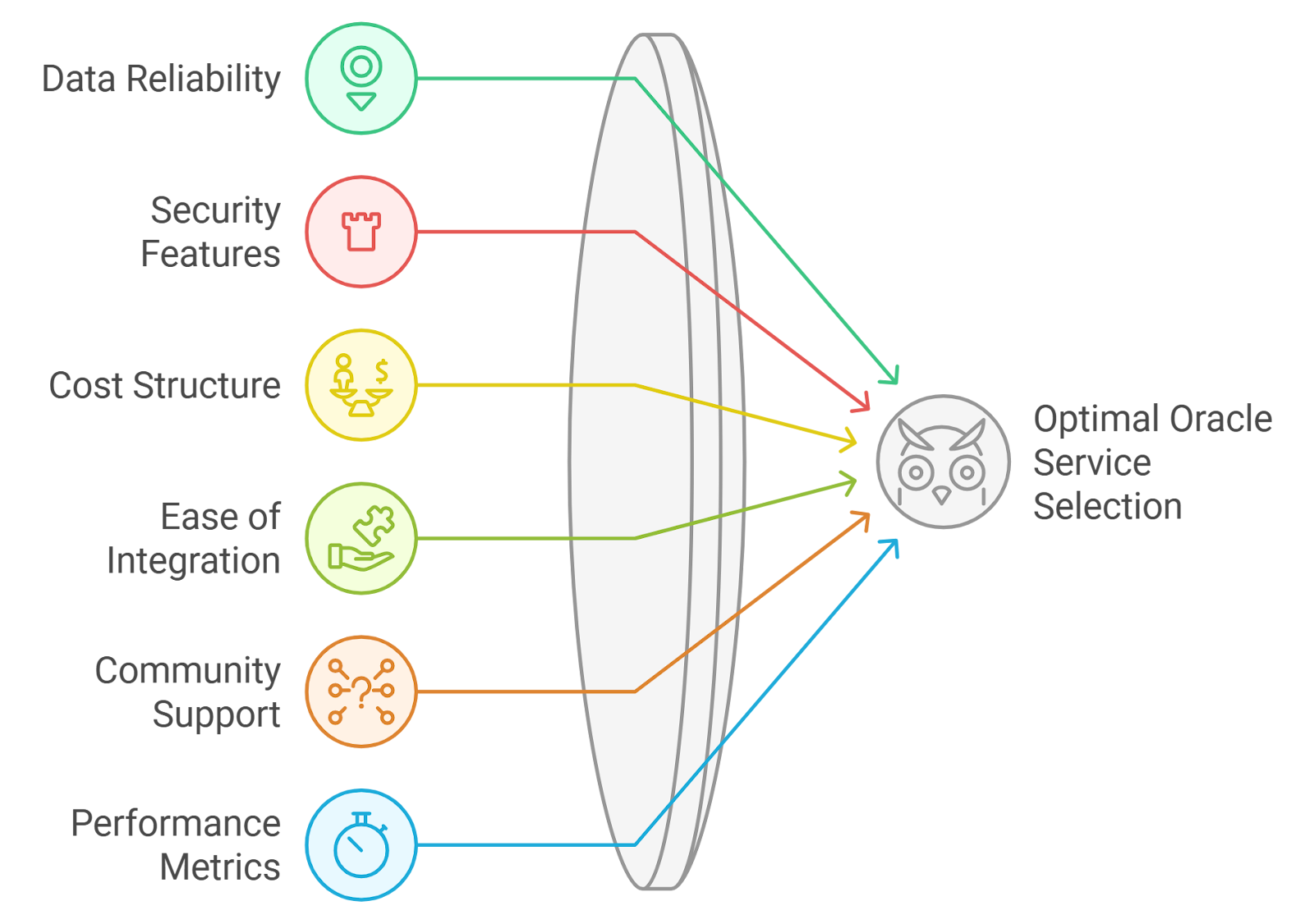
Traditional oracles often rely on push models, where data floods the chain at fixed intervals. This works for steady price updates but falls short for sporadic, high-stakes events. Developers end up overpaying for unused data or missing critical windows. Pull-based systems improve this by fetching info only on request, yet they still demand proactive queries from contracts. Enter event-driven oracles, blending the best of both: proactive monitoring off-chain with on-demand delivery on-chain.
Push Versus Pull: Why Event-Driven Wins in DeFi
Push oracles, as Chainlink notes, shove data onto the blockchain at predefined cadences. Reliable for broad feeds like asset prices, but inefficient for rare triggers. Imagine paying gas for hourly updates when your protocol only cares about a price crossing $100,000. Pull oracles flip this, letting contracts request data as needed, like RedStone's modular setup or APRO's hybrid approach. Yet both can lag in true event responsiveness.
Comparison of Push, Pull, and Event-Driven Oracles
| Type | Mechanism | Pros | Cons | DeFi Use Case |
|---|---|---|---|---|
| Push Oracle | Pushes data onchain at a predefined cadence or schedule (e.g., Chainlink push-based oracles). | Proactive updates without requests; Ensures consistent data flow. ✅ | Gas costs even when unused; Less flexible for sporadic needs. ❌ | Periodic price feeds for lending and borrowing protocols. |
| Pull Oracle | Data pulled on-demand by smart contracts when needed (e.g., Chainlink Data Streams, RedStone's Pull Model with signed payloads). | Cost-efficient; Only pays for data when required. 💰 | Potential latency on initial fetch; Depends on oracle responsiveness. | High-frequency DeFi apps like decentralized perpetual exchanges. |
| Event-Driven Oracle | Triggers data delivery on specific real-world or on-chain events, just-in-time (e.g., RedStone on-demand fetches, Kwala real-time monitoring). | Real-time reactions; Highly efficient for event-based triggers. ⚡ | Complex event detection and setup; Requires reliable off-chain monitoring. | Automated responses to market events, NFT mints, or DeFi movements. |
Event-driven oracles shine by watching for specific conditions off-chain, then pushing tailored payloads only when triggered. This real-time on-chain triggers model cuts latency and gas, vital for DeFi's high-frequency plays. Kwala's stateless layer exemplifies this: YAML-defined workflows monitor events like DeFi movements, firing actions serverlessly. No more babysitting listeners; just pure automation.
Chainlink Data Streams and RedStone: Powering On-Demand Precision
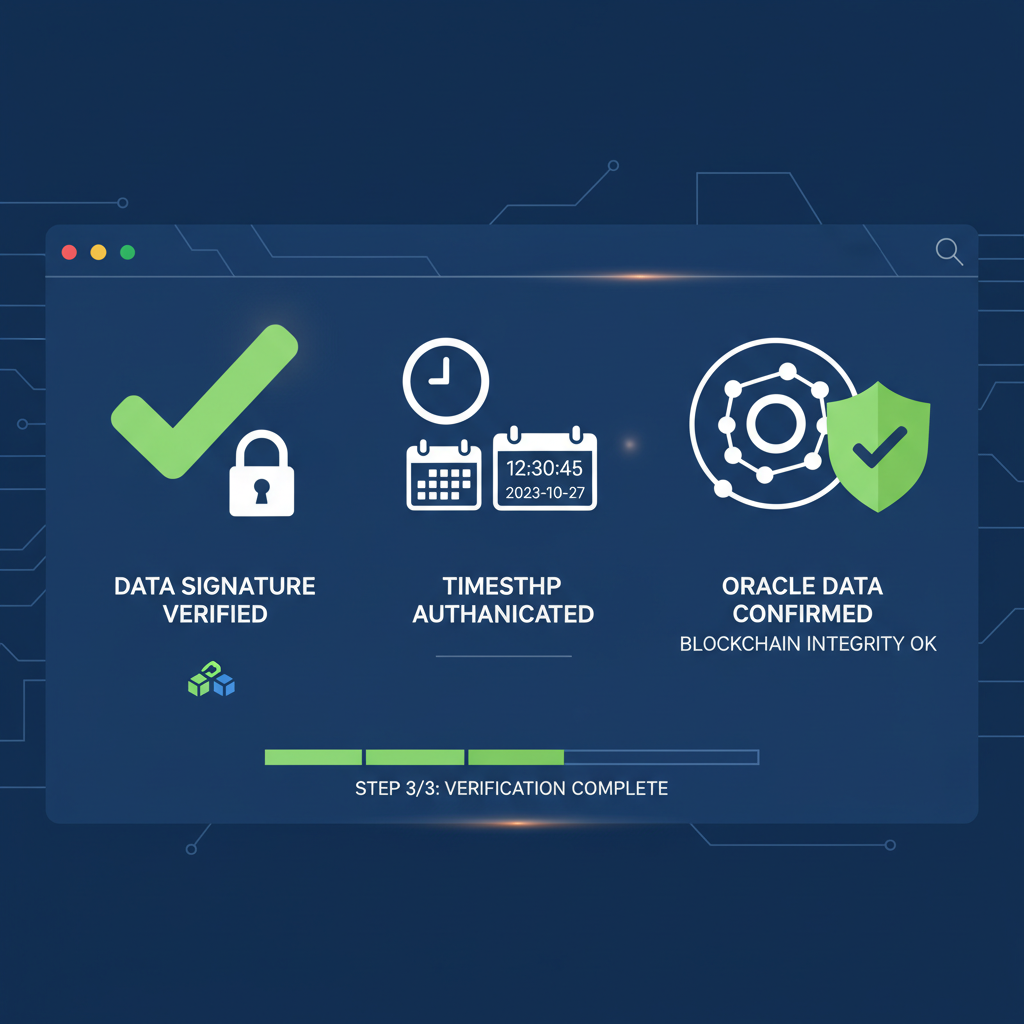
Chainlink's Data Streams update the pull model for speed demons. Contracts access low-latency market data on-demand, perfect for decentralized perps handling millions in volume. Signed payloads ensure tamper-proof delivery, with aggregation from top exchanges for accuracy. RedStone takes modularity further, attaching price data to user calls, so verification happens inline without extra transactions. Their pull model optimizes for EVM chains, reducing costs by up to 90% versus constant pushes.

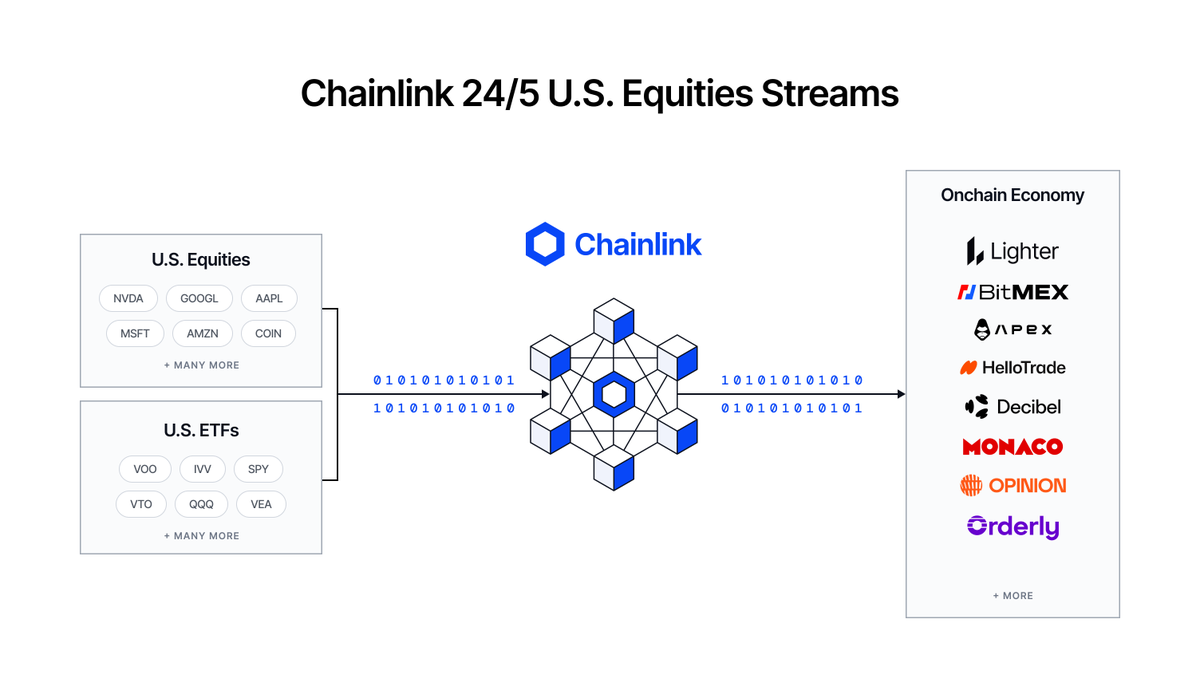
These tools address oracle pitfalls head-on. ScienceDirect's analysis of Chainlink Price Feeds reveals occasional violations, but event-driven designs with just-in-time computation, like Threshold AI's verified queries, add robustness. Supra's architecture computes data only on explicit request, minimizing exposure to stale info. For builders, this means crafting sophisticated instruments: flash loans on arbitrage spots, liquidations at exact thresholds, or NFT royalties on secondary sales, all triggered flawlessly.
Unlocking New DeFi Horizons with Oracle Triggers
Consider a lending protocol using on-demand oracles DeFi style. When collateral dips below a ratio due to a flash crash, an event oracle detects it off-chain and injects the update, prompting instant liquidation. No delays, no exploits. Or in prediction markets, real-world scores from sports events trigger payouts the second they're official. EventOracles. com embodies this ethos, offering seamless triggers for cross-market automation, as I leverage in my own dApp builds for steady, event-fueled growth.
This precision scales too. Modular oracles like RedStone adapt to any chain, from Ethereum to Solana, ensuring DeFi's multi-chain future stays connected. Builders gain efficiency without sacrificing security; decentralized signers and threshold schemes keep data honest. As DeFi TVL climbs, these oracles prevent the blind spots that plague isolated contracts, fostering trust and innovation.
Developers integrating these oracles find the process refreshingly straightforward, especially with platforms prioritizing simplicity. EventOracles. com, for instance, streamlines setup for oracle triggers blockchain events, letting you define triggers via intuitive interfaces that handle the heavy lifting off-chain. This hybrid vision aligns perfectly with DeFi's demand for reliability without complexity, as I've experienced in automating cross-market strategies.
Unlock Real-Time DeFi Triggers: Integrate RedStone or Chainlink Oracles in Solidity
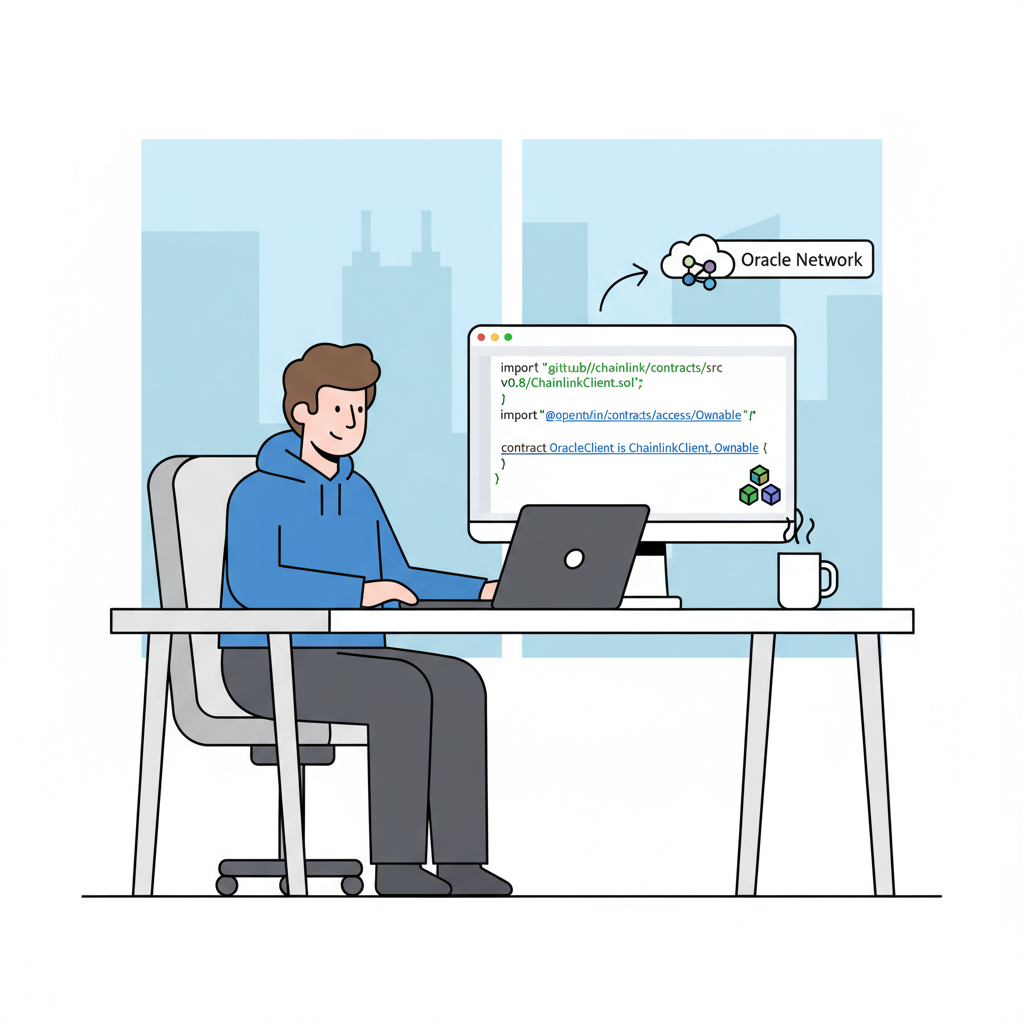
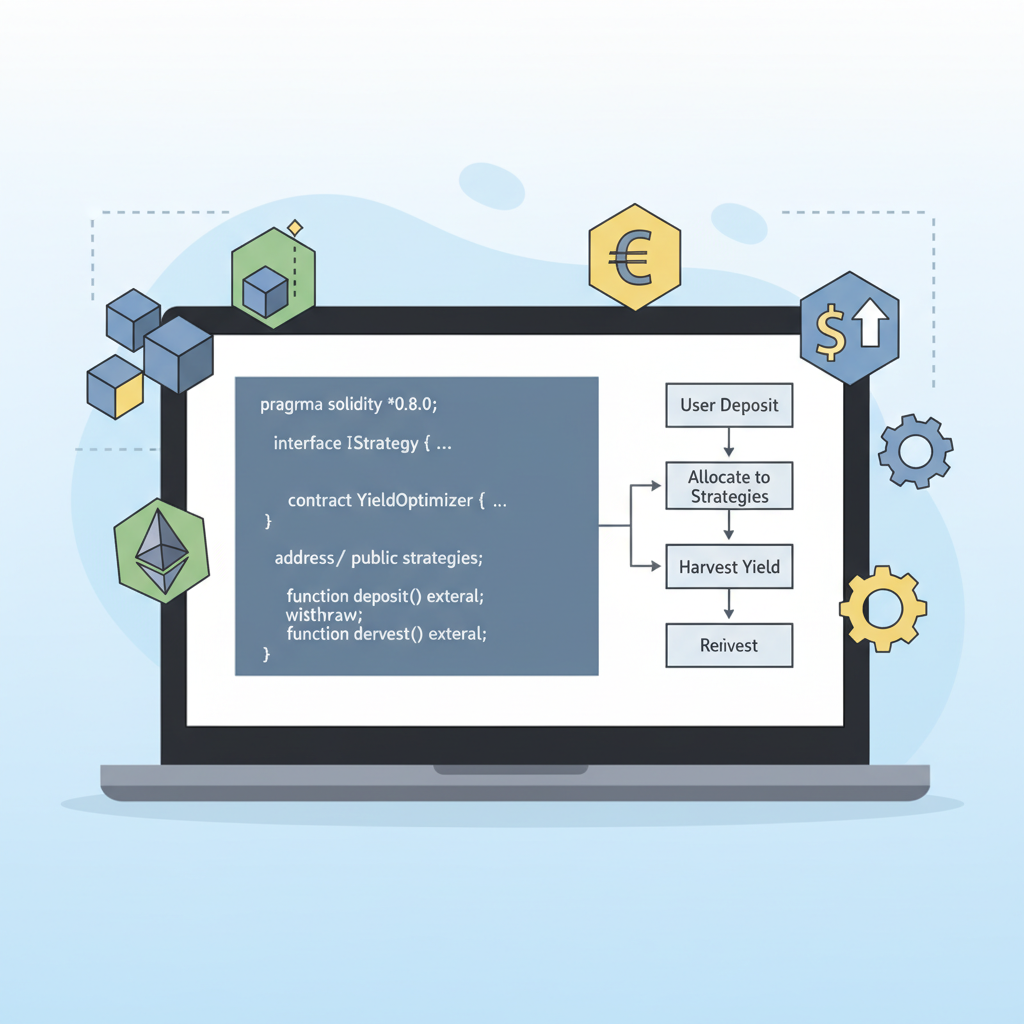
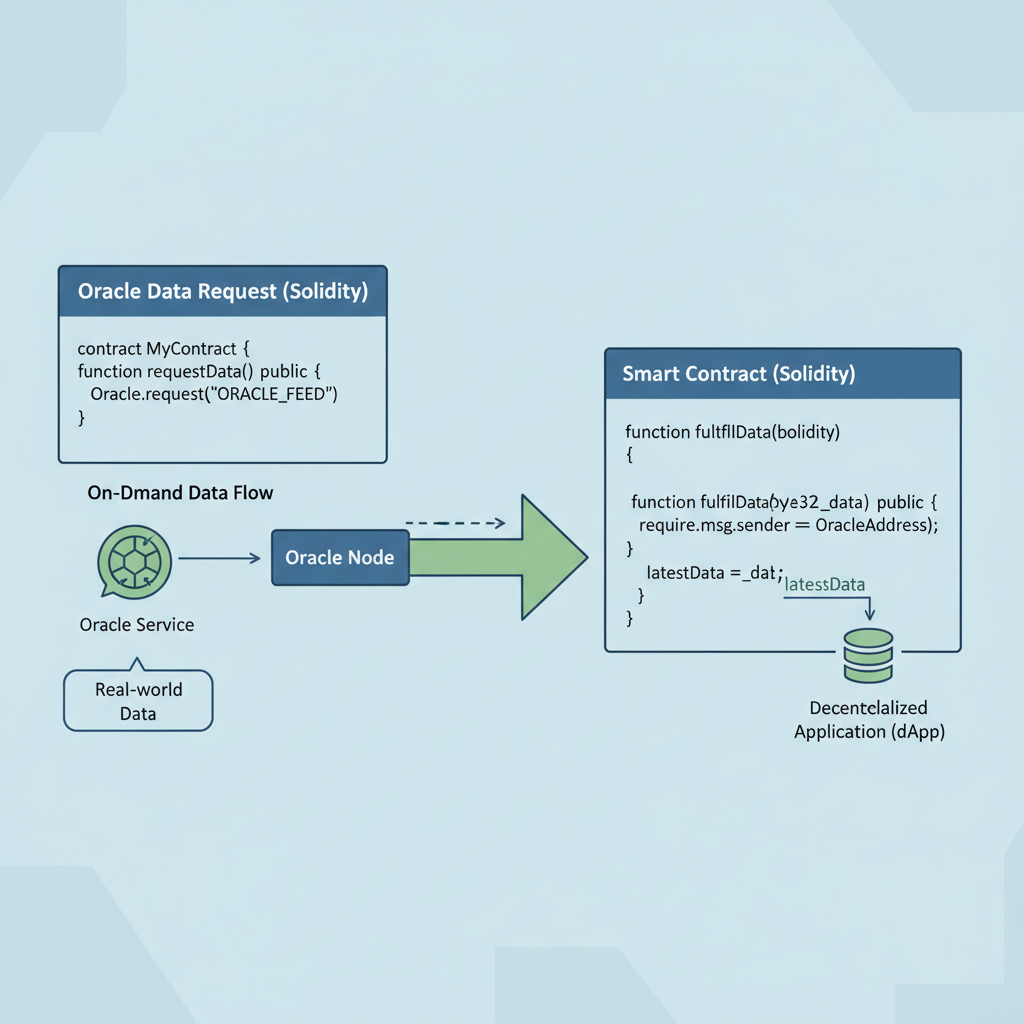
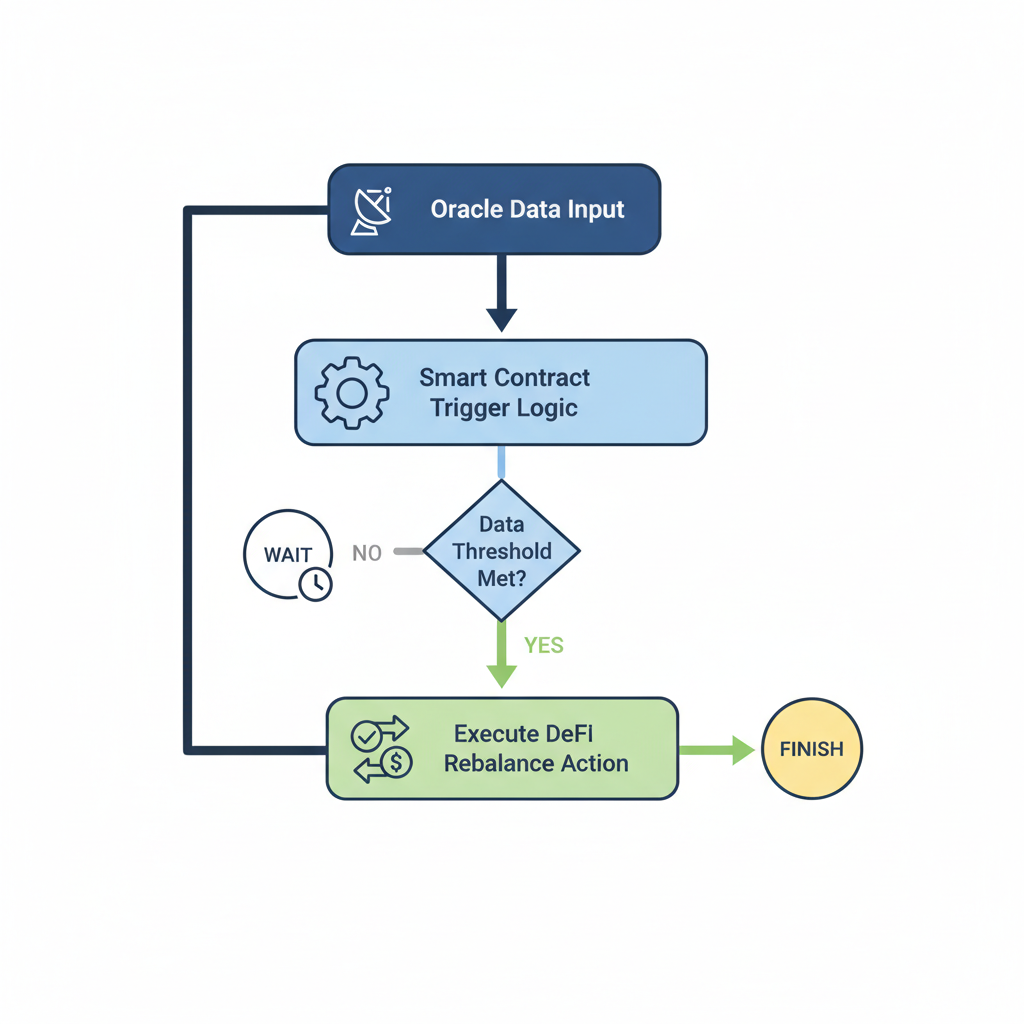
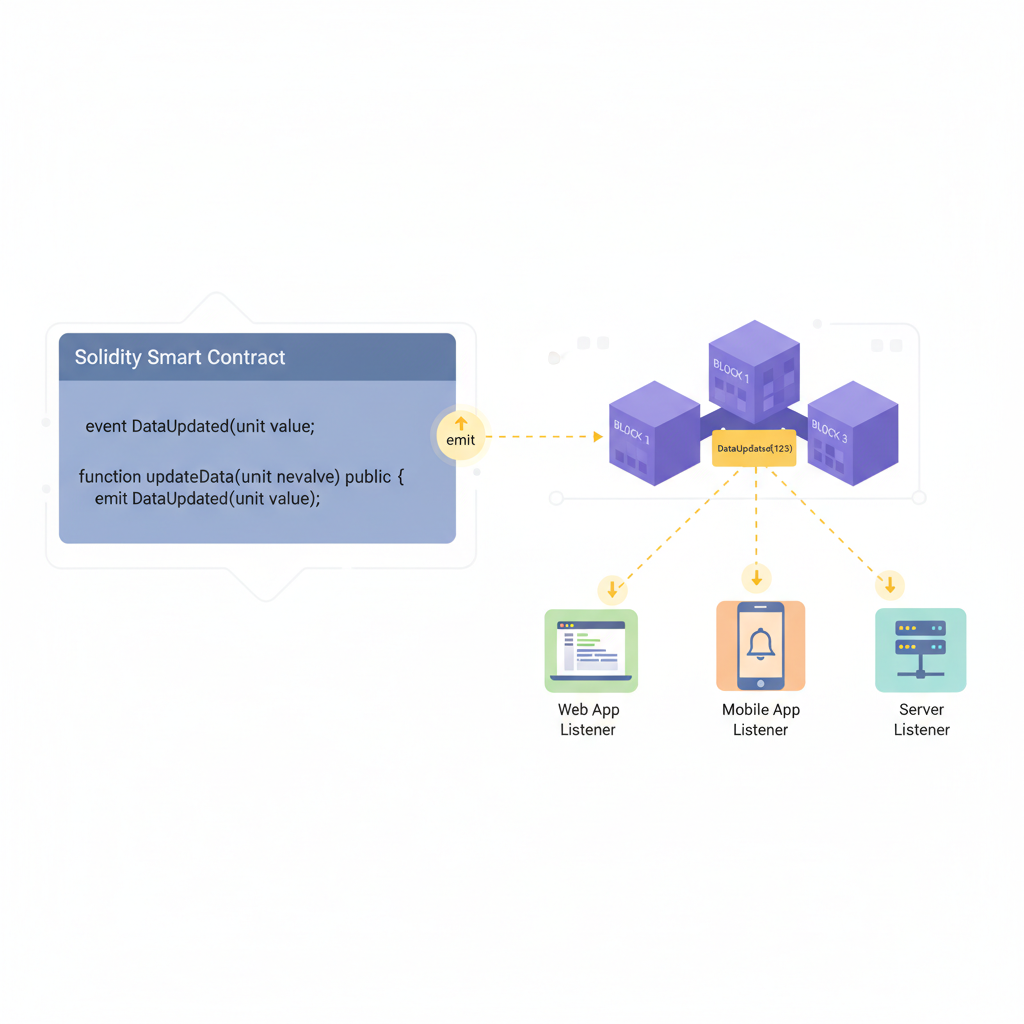
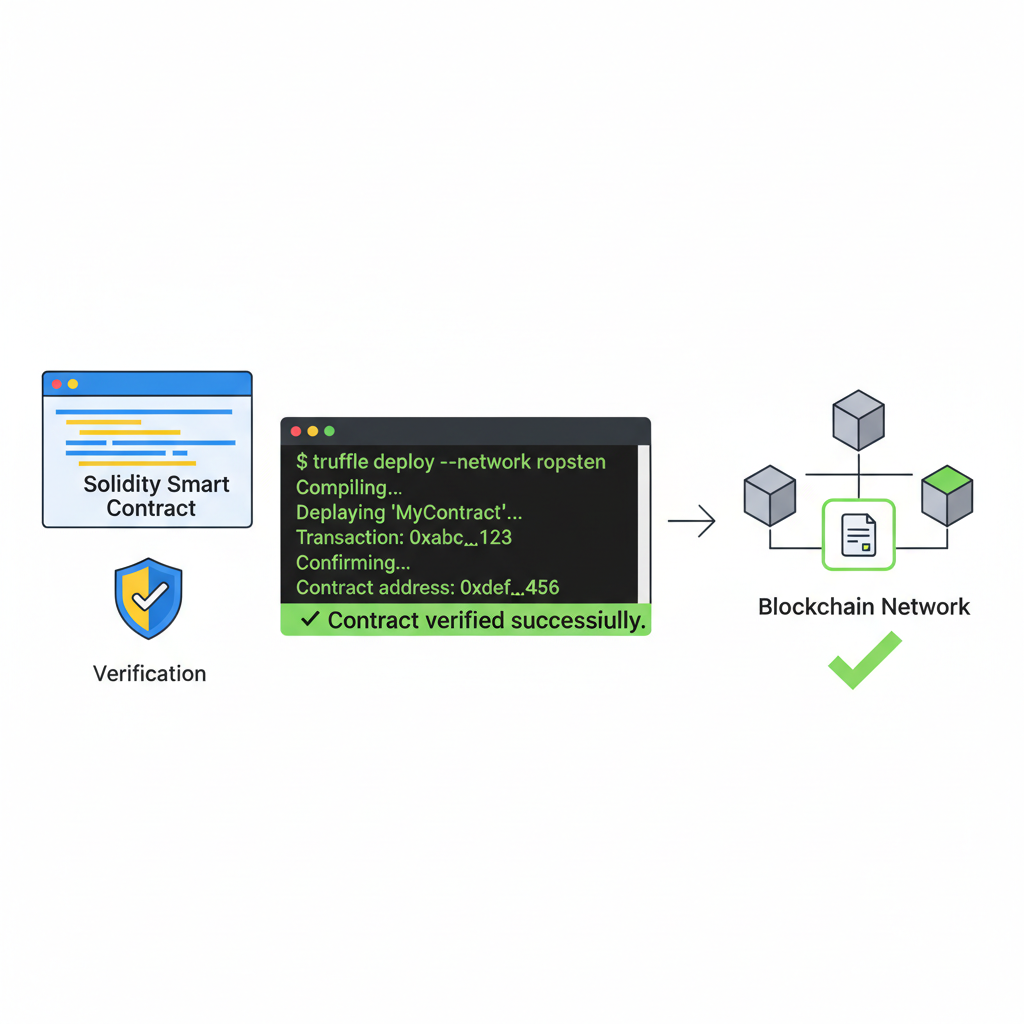
This snippet fetches signed data only during execution, verifying it on-chain with minimal gas. Extend it for custom events, like monitoring a token's transfer volume exceeding a threshold, and you've got a responsive protocol. I favor this over pure push systems because it empowers precise control, avoiding the noise of irrelevant updates.
Yet efficiency isn't just about code; it's ecosystem-wide. Threshold AI oracles introduce verified computations for AI-driven events, ensuring predictions trigger accurately without central points of failure. Supra's just-in-time model complements this, computing only on demand to sidestep stale data risks highlighted in Chainlink feed analyses.
Key Event-Driven Oracle Projects
| Project | Key Feature | Supported Chains | DeFi Application |
|---|---|---|---|
| Chainlink Data Streams | Pull-based oracle for real-time, low-latency data on demand | Multi-chain (EVM: Ethereum, Arbitrum, Optimism, Polygon) | Decentralized perpetual exchanges & high-frequency DeFi apps |
| RedStone | Pull model with on-demand data fetching & signed payloads for gas efficiency | Multi-chain (EVM: Ethereum, Polygon, Arbitrum, Optimism, Base) | Real-time price feeds for DeFi transactions |
| Kwala | Decentralized stateless automation layer for real-time blockchain event monitoring & triggers via YAML configs | Multi-chain (EVM) | Automated reactions to on-chain events like NFT mints & DeFi movements |
| EventOracles.com | Real-time triggers for event-driven on-chain actions | Multi-chain (EVM) | Event-driven DeFi automation & responsive financial instruments |
Overcoming Oracle Risks in High-Stakes DeFi
Risks persist, no doubt. Flash loan attacks have exploited oracle delays, but event-driven designs mitigate this through rapid off-chain detection and atomic on-chain delivery. Decentralized networks of signers, as in APRO's dual push-pull, distribute trust, making manipulation exponentially harder. In my analysis blending forex and crypto, I've seen how push vs event-driven oracles debates overlook this resilience edge; event-driven simply adapts better to volatility.

Beyond security, scalability beckons. As Solana and Layer-2s proliferate, oracles must span ecosystems without bottlenecks. RedStone's modularity shines here, supporting fast chains with lightweight payloads. EventOracles. com pushes this further, tailoring triggers for niche events like governance votes or cross-chain bridges, fueling dApps that thrive on immediacy.
Imagine prediction markets settling bets on crypto prices the instant exchanges update, or insurance protocols disbursing on oracle-confirmed hacks. These aren't hypotheticals; they're live with on-demand oracles powering the next DeFi wave. Builders save on infra, users gain trust through verifiability, and protocols capture alpha from fleeting opportunities.
The shift feels inevitable. Traditional oracles served Web3's early days well, but DeFi's maturation demands real-time on-chain triggers that match market speed. By embedding event-driven intelligence, we're not just connecting chains to the world; we're making them pulse with it. For innovators eyeing steady growth amid chaos, leaning into these tools unlocks a more dynamic, equitable financial frontier.




No comments yet. Be the first to share your thoughts!