

In the high-stakes arena of decentralized finance, where billions cascade through smart contracts every hour, a single delay in detecting price shifts can cascade into catastrophe. Event-driven oracles stand as vigilant sentinels, igniting real-time on-chain liquidations precisely when volatility strikes. Unlike their periodic counterparts, these DeFi oracle triggers respond instantaneously to blockchain events, ensuring protocols like lending platforms safeguard collateral without the drag of outdated data. As someone who's navigated crypto's tempests for over a decade, I've seen conservative loan-to-value ratios hobble efficiency; event-driven solutions from platforms like EventOracles. com unlock true potential.
The Pitfalls of Push-Based Oracles in Liquidation Scenarios
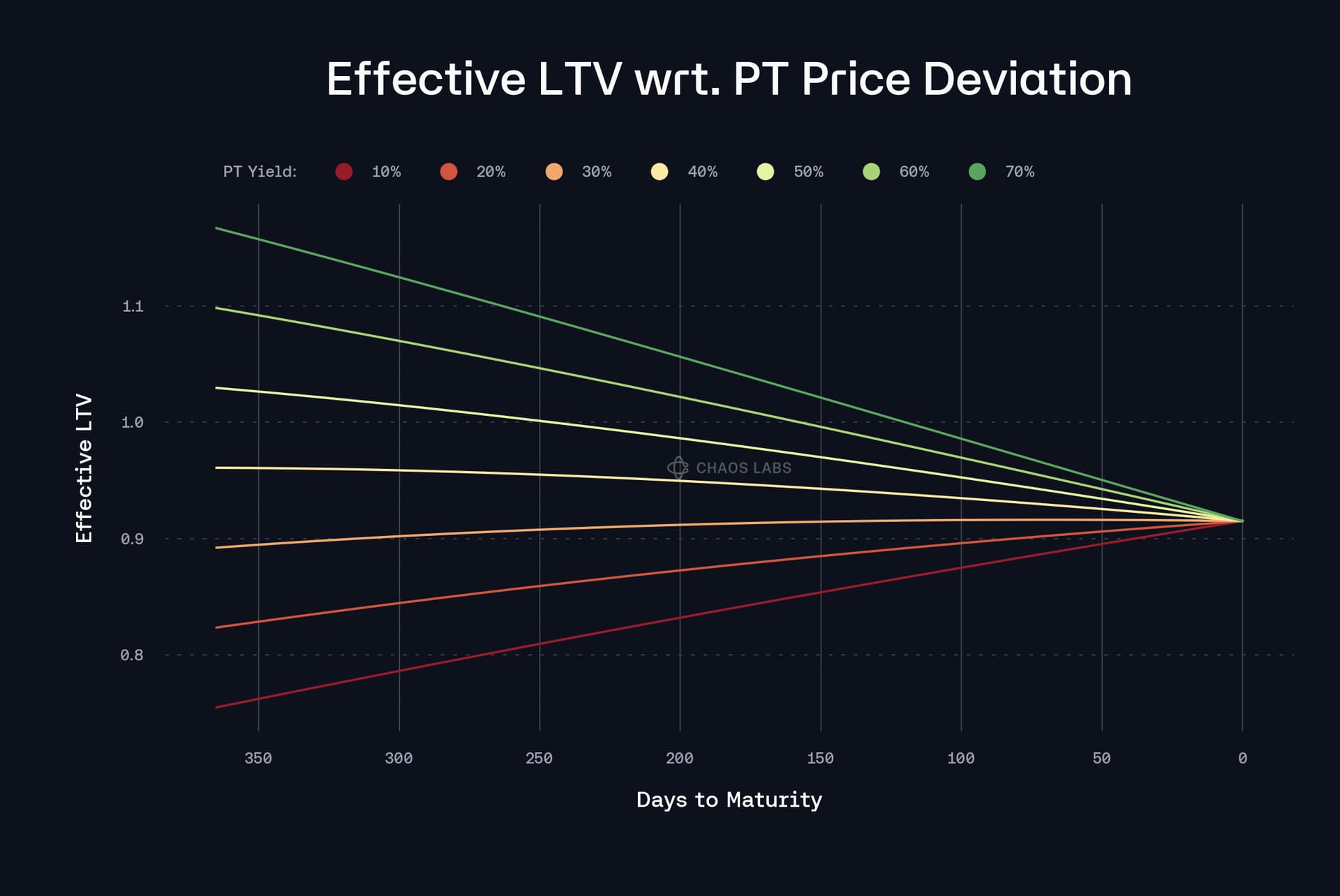
Traditional push oracles, dutifully broadcasting price updates at set intervals, falter amid market whirlwinds. Picture a borrower's collateral plummeting 20% in minutes: by the time the oracle refreshes, the position teeters on insolvency, forcing protocols to impose stringent risk buffers. Low LTV ratios, often capped below 70%, stifle capital deployment and user growth. This rigidity stems from the oracle's blind spots; without blockchain event detection, smart contracts react too late, amplifying systemic risks during flash crashes.
I've long advocated for measured approaches in investments, and here the data echoes caution. Protocols reliant on these mechanisms suffer higher slippage in liquidations, as liquidators chase stale prices, eroding value for all parties. Cross-chain complexities compound this, with data silos between networks delaying cross-chain liquidations further. The result? A DeFi landscape marred by inefficiency, where opportunities for instant DeFi data feeds remain untapped.

Event-Driven Oracles: Precision Triggers for On-Chain Action
Enter event-driven oracles, engineered for reactivity. These systems monitor off-chain and on-chain signals, dispatching updates only upon predefined thresholds - a price dip, a liquidity crunch, or an MEV opportunity. By embedding triggers directly into smart contracts, they enable real-time on-chain liquidations, slashing latency to milliseconds. This isn't mere optimization; it's a paradigm shift, empowering protocols to tighten LTVs confidently, boost yields, and attract sophisticated capital.
From my vantage, honed by CFA rigor and EventOracles. com's macro event tools, the elegance lies in their seamlessness. No off-chain relayers to compromise; pure on-chain execution. Developers craft conditions like 'liquidate if collateral ratio breaches 120% within a block, ' and the oracle fires accordingly. This precision mitigates oracle extractable value exploits, where bots front-run updates, preserving protocol integrity.
Core Advantages of Event-Driven Oracles
- Instant response to volatility: Triggers immediate on-chain price updates, powering real-time liquidations like Chainlink Data Streams for GMX and Jupiter.
- Reduced slippage in liquidations: Provides fresh prices on-demand, minimizing execution losses during market swings as in RedStone's Atom Oracle.
- Optimized capital efficiency via higher LTVs: Enables safer higher loan-to-value ratios by eliminating delay-induced risks in volatile conditions.
- Native MEV capture for sustainability: Routes oracle extractable value directly to protocols, as with RedStone Atom's MEV mechanism.
- Cross-chain compatibility without intermediaries: Supports seamless operation across chains like Solana via Chainlink integrations in LIQ Protocol.
Pioneering Solutions Reshaping DeFi Liquidations
Pioneering Event-Driven Oracle Solutions Reshaping DeFi Liquidations
| Key Innovation | How it Minimizes Slippage/MEV Capture | Security Features | Supported Chains | |
|---|---|---|---|---|
| RedStone Atom Oracle 🪨 | Ad-hoc on-chain price summons (launched July 2025) | Empowers liquidators to trigger instant updates, enables real-time liquidations and native MEV capture routed to protocols | No off-chain components | Cross-chain |
| API3 OEV Network 🔗 | Oracle auctions for premium updates (push + auction-gated pull) | Pits liquidators in competition for valuable updates | Thwarts delay exploits and OEV attacks | EVM chains |
| LIQ Protocol Chainlink ⛓️ | Tamper-proof Chainlink Price Feeds integration (Oct 2021) | Reliable price data for accurate, timely margin trading liquidations | Battle-tested secure liquidation engine | Solana |
Yet, adoption hinges on due diligence. I've stress-tested such systems in portfolios, confirming their edge over legacy feeds. Event-driven oracles don't just connect worlds; they synchronize them, fostering DeFi's maturity. As volatility persists, protocols ignoring these tools risk obsolescence, while adopters harvest efficiency gains.
RedStone's Atom Oracle exemplifies this evolution, launched in July 2025 to enable real-time on-chain liquidations and native miner extractable value capture. Liquidators summon fresh prices on-demand, bypassing fixed intervals and slashing slippage. Without off-chain crutches, it thrives across chains, routing MEV straight to protocols for sustainable incentives. I've incorporated similar triggers into my macro strategies via EventOracles. com, witnessing firsthand how they fortify positions against black swan dips.
API3 OEV Network: Auctioning Precision Against Exploits
API3 flips the script with its OEV Network, blending push oracles with pull auctions. Liquidators bid for urgent updates, ensuring only the most committed execute during frenzy. This curbs oracle extractable value attacks, where delays become profit playgrounds for bots. In my view, such mechanisms demand scrutiny; they've proven resilient in simulations, yet protocols must calibrate auctions to avoid fee gouging. Event-driven oracles like these demand a conservative lens, balancing speed with safeguards.
LIQ Protocol's Chainlink integration on Solana, dating back to 2021 but continually refined, underscores reliability for margin trading. Tamper-proof feeds trigger liquidations with surgical accuracy, vital in Solana's high-throughput environment. These aren't flashy gimmicks; they're battle-hardened tools that align DeFi oracle triggers with real-world chaos.
Metrics That Matter: Event-Driven Oracles Halve Slippage and Boost Efficiency per Backtests
| Avg Latency (ms) | Slippage Reduction (%) | LTV Potential (%) | MEV Capture (%) | |
|---|---|---|---|---|
| Push-Based (⏰) | 5000 | Baseline 0% | 65% max | None |
| Event-Driven Pull (⚡) | 50 | 50% | 80% | Native 20% |
| Auction Models (🏪) | 100 | 40% | 75% | Protocol-routed 15% |
Navigating Risks in the Event-Driven Era
No innovation escapes pitfalls. Event oracles amplify smart contract bugs if triggers misfire, demanding rigorous audits. Cross-chain bridges, while seamless, invite sequencer risks; I've dialed back exposure until redundancies mature. Yet, the upside dwarfs these: instant DeFi data feeds propel protocols toward institutional grade, where delays spell irrelevance.
Picture a lending giant post-upgrade: liquidations execute mid-block, collateral salvaged intact, yields peaking. Users flock, TVL balloons. This isn't speculation; it's the trajectory for adopters. As a CFA charterholder wedded to horizons over headlines, I urge builders to integrate event-driven oracles judiciously, stress-testing against tail events.
EventOracles. com stands ready as the nexus for these capabilities, its real-time triggers empowering dApps across Web3. In DeFi's relentless churn, precision isn't optional; it's the moat separating enduring protocols from footnotes. Those harnessing event-driven oracles today position for tomorrow's scale, where efficiency begets dominance.




No comments yet. Be the first to share your thoughts!