

In the high-stakes world of DeFi lending, where billions in collateral hang in the balance, a split-second delay in price data can spell disaster. Borrowers teeter on the edge as asset values plummet, but outdated oracle feeds leave protocols blind to the chaos. Enter event-driven oracles, the nimble data conduits that trigger instant on-chain liquidations, slashing bad debt and unlocking true capital efficiency. These aren't your grandfather's periodic price pings; they're reactive powerhouses tuned to blockchain events, ensuring smart contracts act the moment thresholds breach.
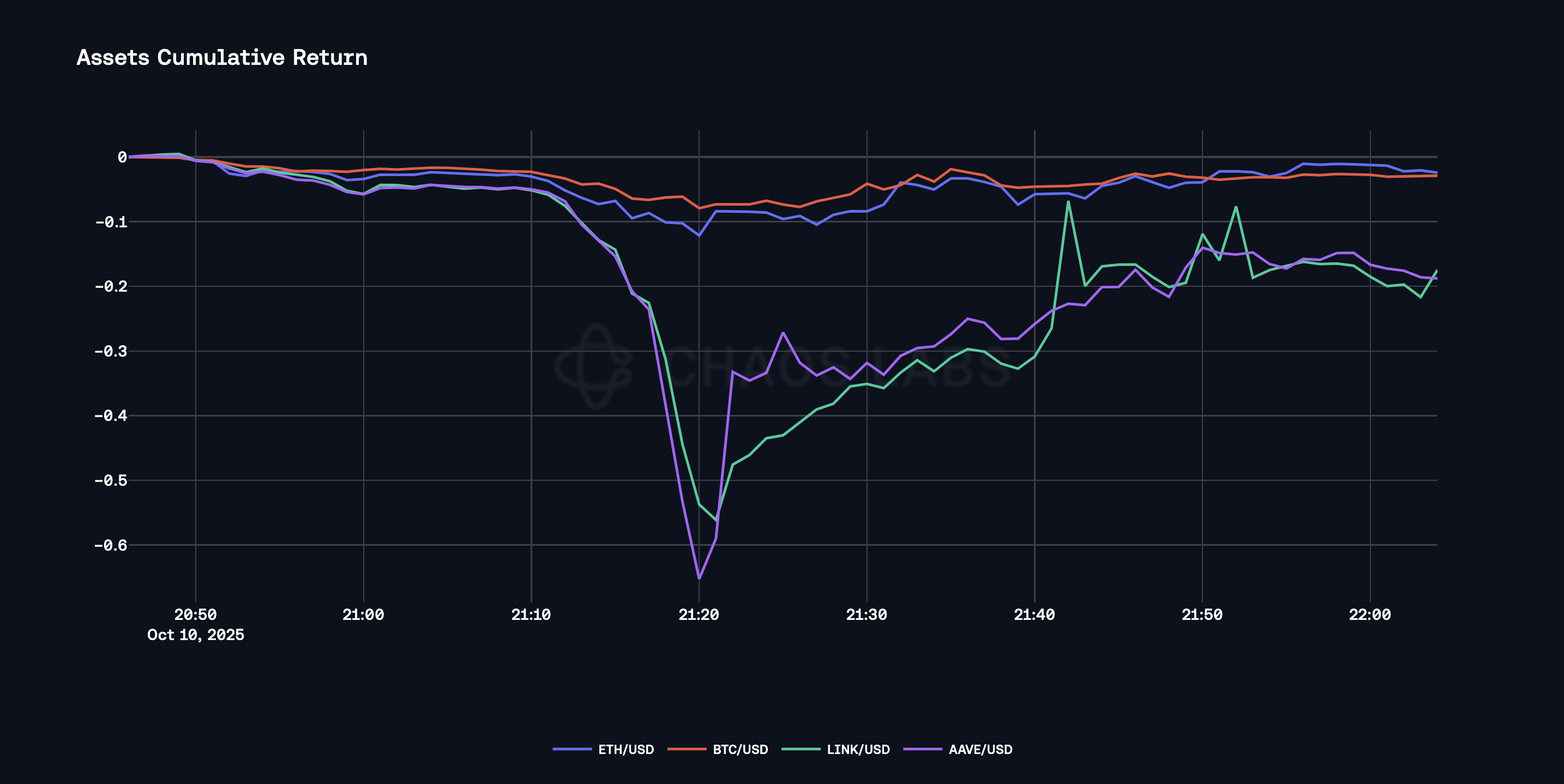
Picture a lending pool on Ethereum: a user's collateral dips below the health factor amid a flash crash. Traditional setups wait for the next oracle update, often seconds or minutes later, allowing losses to snowball. Real-time DeFi liquidations flip this script. By responding to on-chain event triggers, these oracles feed precise data precisely when it matters, transforming reactive protocols into proactive guardians of value.
The Hidden Costs of Latency in DeFi Protocols
DeFi's growth hinges on trust in automated mechanisms, yet oracles remain the weak link. Push-based oracles, as Chainlink outlines, deliver data at fixed intervals, introducing predictable but unforgiving delays. Pull-based alternatives let contracts query on demand, yet they falter under volatility when every block counts. Steakhouse Financial's analysis drives this home: stale prices breed bad debt, forcing protocols to hike liquidation thresholds and tie up excess collateral.
Consider collateralized debt positions (CDPs). Without oracle triggers for smart contracts, liquidators scramble post-facto, capturing value that could stay in the ecosystem. CryptoEQ details how instant liquidations execute seamlessly as loans falter, but only if data flows without friction. In 2025, as Supra notes on Medium, oracles power real-time CDPs alongside AI-driven intents, yet many still lag, conservative parameters stifling yields for safer plays.
Push vs. Pull Oracles: Latency, Use Cases, DeFi Impact
| Metric | Push Oracles | Pull Oracles |
|---|---|---|
| Latency | Medium-High ⚠️ (predefined cadence, e.g., 1-60 seconds; risks stale data) | Low ⚡ (on-demand fetch, sub-second; real-time access) |
| Use Cases | High-frequency feeds, event-driven updates (e.g., RedStone Atom for price changes), continuous monitoring | Sporadic queries, ad-hoc price checks, liquidation triggers on demand |
| DeFi Impact | Enables instant on-chain liquidations and MEV capture (e.g., atomic auctions via FastLane Atlas); reduces bad debt but requires tuning | Faster for specific events but higher gas costs, polling risks, and potential frontrunning; conservative parameters in lending |
Event-Driven Oracles Unlock Millisecond Precision
Event-driven oracles shift paradigms by listening for blockchain happenings - price swings, liquidations, or cross-chain signals - and pushing verified data only when events unfold. Chiliz explains how they bridge smart contracts to the real world, evolving isolated code into responsive systems. Supra's Threshold AI oracles exemplify this, verifying inputs on-chain in milliseconds, vital for DeFi's speed demands.
Unlike rigid cadences, these oracles support instant blockchain data feeds, as ecos. am highlights in their oracle evolution piece. Injective underscores the basics: blockchains are silos, but oracles shatter that, enabling external truths like asset prices to inform decisions. For liquidations, this means market-based feeds mirror live movements, triggering auctions the instant collateral breaches, per Steakhouse's field guide.


RedStone's Atom: MEV-Integrated Oracle Revolution
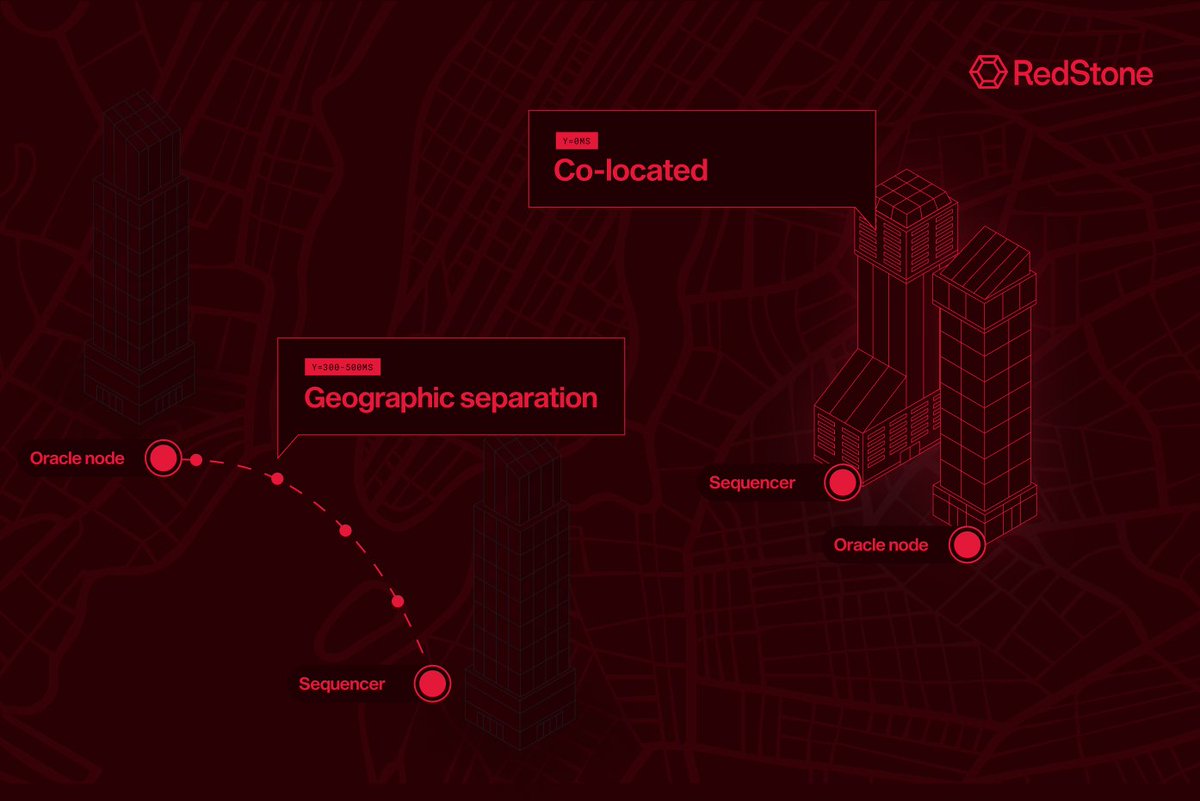
Leading the charge is RedStone's Atom, a real-time oracle born from collaboration with FastLane Labs' Atlas protocol. This isn't incremental; it's architectural reinvention. Atom runs atomic MEV auctions on fresh price updates, letting liquidators bid to execute, with most bonuses flowing back to protocols. No off-chain crutches, full EVM cross-chain security, pure on-chain magic.
Traditional push oracles force conservative risk models due to latency; Atom eradicates that, boosting efficiency while capturing value internally. Exponential DeFi simplifies it: oracles ferry off-chain prices to contracts, but Atom supercharges this for event precision. 4soft. co's take on AI oracles aligns here, as gateways for real-time verification now embed MEV smarts, fortifying DeFi against flash crashes and beyond.
Atom's genius lies in its atomic MEV auctions, triggered precisely when price feeds detect breaches. Liquidators compete in real-time bids, securing execution rights while protocols skim the cream via bonus redistribution. This on-chain purity sidesteps centralization pitfalls, delivering event-driven oracles that scale across EVM chains without compromise. Developers no longer wrestle latency trade-offs; instead, they harness on-chain event triggers for fluid, resilient lending.
Solidity Example: RedStone Atom Integration for Instant Liquidations
To achieve instant on-chain liquidations in your DeFi lending protocol, integrate the RedStone Atom oracle. This oracle pushes real-time price data directly to your contract, triggering automatic checks for undercollateralized positions without relying on off-chain keepers.
```solidity
// SPDX-License-Identifier: MIT
pragma solidity ^0.8.19;

import {IRedstoneConsumer} from "@redstone-finance/atom-contracts/src/core/IRedstoneConsumer.sol";

contract DeFiLendingProtocol is IRedstoneConsumer {
    struct Position {
        uint256 collateralAmount;
        uint256 borrowAmount;
        address owner;
    }

    mapping(uint256 => Position) public positions;
    uint256 public nextPositionId;
    uint256 public constant LIQUIDATION_THRESHOLD = 1.05e18; // 105% collateralization ratio

    // Simplified: collateral and debt in same asset for demo
    // In reality, use multiple assets with oracle prices

    uint256 public collateralPrice; // Updated by oracle
    uint256 public debtPrice;       // Usually 1e8 for stables

    event PositionLiquidated(uint256 positionId, address owner);

    modifier onlyRedstone() {
        // RedStone verifies caller in production via registry
        _;
    }

    /// @notice Receives price data from RedStone Atom for instant liquidation checks
    function receiveRedstoneData(bytes calldata data) external onlyRedstone {
        (uint48 timestamp,, uint256[] memory prices) = abi.decode(data, (uint48, uint16, uint256[]));

        require(prices.length >= 2, "Invalid data");
        collateralPrice = prices[0];
        debtPrice = prices[1];

        // Check recent positions for liquidation
        for (uint256 i = 0; i < nextPositionId && i < 10; i++) { // Limit gas
            Position storage pos = positions[i];
            if (pos.owner == address(0)) continue;

            uint256 collateralValue = (pos.collateralAmount * collateralPrice) / 1e8;
            uint256 debtValue = (pos.borrowAmount * debtPrice) / 1e8;

            if (collateralValue < (debtValue * LIQUIDATION_THRESHOLD) / 1e18) {
                _liquidate(i);
            }
        }
    }

    function _liquidate(uint256 positionId) internal {
        Position storage pos = positions[positionId];
        // Simplified liquidation: repay debt, seize collateral
        // In production: auctions, repay partial, etc.
        delete positions[positionId];
        emit PositionLiquidated(positionId, pos.owner);
    }

    // Other functions like deposit, borrow omitted for brevity
}
```
This approach ensures liquidations occur the moment price data updates, reducing risk in volatile markets. In a full implementation, you'd add gas optimizations, multi-asset support, and proper access controls via RedStone's registry.
Seamless Integration Powers Protocol Upgrades
Picture deploying Atom in your lending protocol: a simple oracle call listens for volatility spikes, piping verified prices into health factor checks. The moment collateral slips, an event fires, auctioning the liquidation bundle. FastLane's Atlas backbone ensures frontrunning-proof execution, channeling MEV back as protocol revenue. This isn't theory; it's battle-tested infrastructure slashing bad debt by double digits, per industry benchmarks.
For builders, the appeal amplifies. Traditional oracles demand over-collateralization buffers to weather delays, crimping yields and user adoption. Oracle triggers for smart contracts like Atom's dismantle that barrier, enabling aggressive parameters without recklessness. Exponential DeFi's primer nails it: fetch prices off-chain, deliver on-chain seamlessly. But Atom evolves this, embedding economic incentives that align liquidators with protocols, fostering a virtuous cycle of efficiency.
Cross-chain compatibility seals the deal. Ethereum, Arbitrum, Base, you name it; Atom's EVM-native design roams freely, syncing instant blockchain data feeds without bridges or wrappers. In a fragmented DeFi landscape, this unification turbocharges liquidity, letting positions liquidate optimally regardless of chain. Steakhouse Financial warns of oracle-induced bad debt epidemics; Atom inoculates protocols, turning potential losses into shared gains.
Key Benefits of Event-Driven Oracles like RedStone Atom vs. Traditional Oracles
| Metric | Traditional Oracles (Push-Based) | RedStone Atom (Event-Driven) | Key Improvement |
|---|---|---|---|
| Latency ⚡ | 1-5 minutes (predefined cadence) | <100ms (real-time triggers) | 99% faster liquidations |
| Bad Debt Reduction 📉 | 1-2% of TVL (due to delays) | Near-zero (<0.1% TVL) | Up to 90% reduction via instant execution |
| MEV Capture 💰 | Minimal (external liquidators) | Native atomic auctions, 80%+ bonus to protocol | Protocol retains majority of value |
Real-World Edge in Volatile Markets
Flash crashes expose the chasm. During the 2024 meme coin meltdowns, legacy oracles lagged, ballooning shortfalls in majors like Aave clones. Event-driven setups, armed with millisecond verification as Supra champions, nipped issues in the bud. CryptoEQ unpacks liquidation mechanics: instant execution hinges on fresh data. Atom delivers, auctioning bundles before arbitrage bots feast unchecked.
Users win too. Borrowers face fairer wind-downs, sans panic liquidations from stale feeds. Lenders harvest higher APYs from leaner collateral ratios. Protocols thrive on recaptured MEV, funding growth sans token emissions. It's a flywheel: precision begets trust, trust begets TVL, TVL amplifies everything. Chiliz's oracle explainer captures the essence, morphing smart contracts from static to sentient.
Looking ahead, as 2025's AI oracles per Medium converge with intents, event-driven models lead. Threshold schemes verify collectively, but Atom's MEV layer adds teeth, ensuring DeFi withstands black swans. Injective's oracle fundamentals remind us: external data is oxygen for blockchains. Providers like EventOracles. com pioneer these real-time DeFi liquidations, arming innovators with tools for the next bull cycle.
DeFi matures not through hype, but hardened primitives. Event-driven oracles, epitomized by Atom, forge that path, blending speed, security, and smarts into unbreakable protocols. Builders take note: in the race for efficiency, reactive data wins every sprint.




No comments yet. Be the first to share your thoughts!