Understand the event-driven oracle pattern
Build Event-Driven Oracles for Real-Time Data works best as a clear sequence: define the constraint, compare the realistic options, test the tradeoff, and choose the path with the fewest hidden costs. That order keeps the advice usable instead of decorative. After each step, pause long enough to check whether the recommendation still fits the reader's actual situation. If it depends on perfect timing, unusual access, or a best-case budget, include a simpler fallback.
The simplest way to use this section is to write down the real constraint first, compare each option against it, and choose the path that still works outside ideal conditions.
Set up the Oracle Cloud Infrastructure events
To build a reliable event-driven oracle, you must first configure Oracle Cloud Infrastructure (OCI) to emit events when resource states change. This section covers the setup of the source system, ensuring your oracle receives real-time data triggers without polling.

Navigate to the OCI Events service in the console. Create a new rule that filters for specific resource state changes, such as Compute Instance state changes or Object Storage object creation events. Define the rule condition to match only the resources your oracle needs to monitor, ensuring you don't flood your pipeline with irrelevant noise.
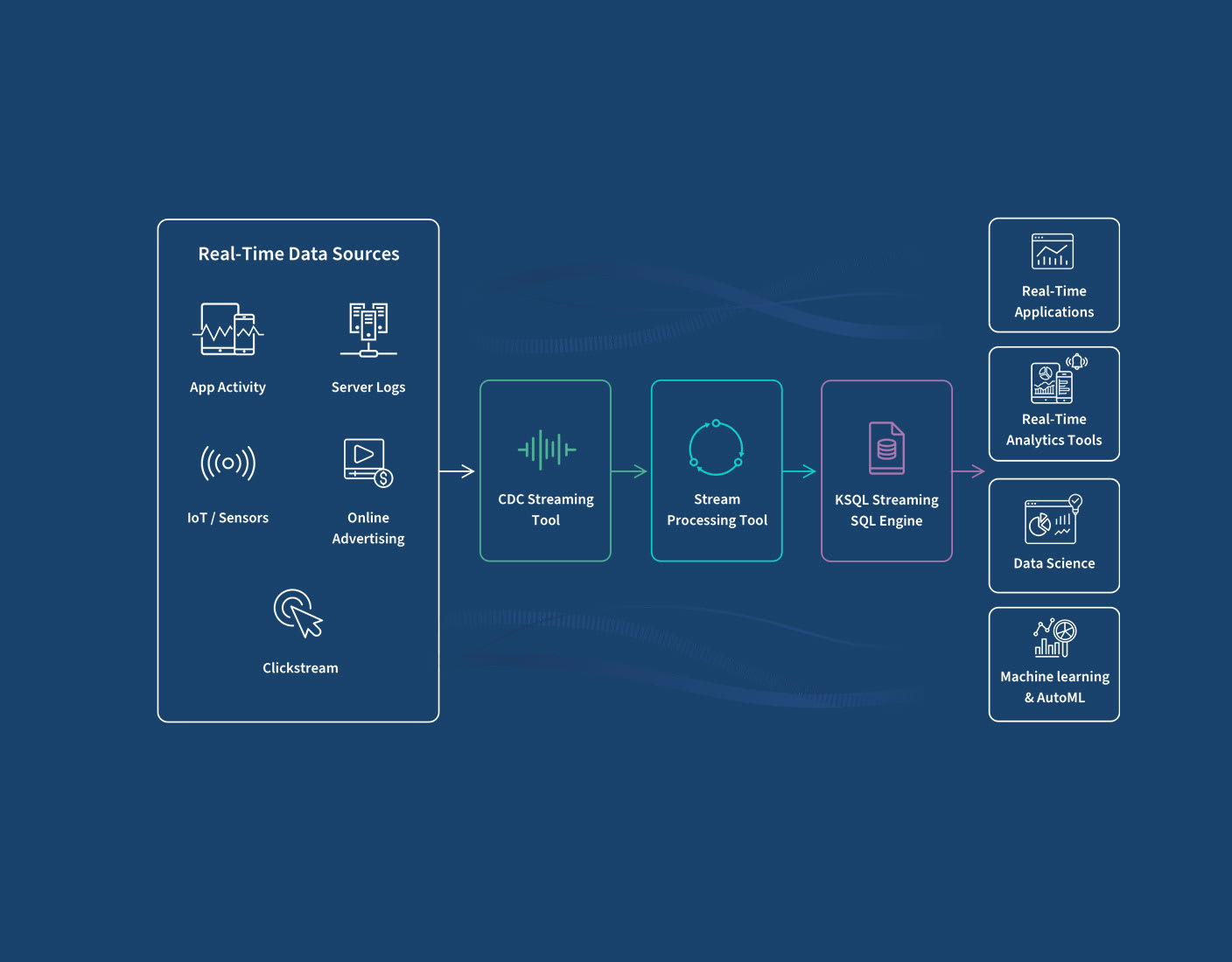
Direct the matched events to a dedicated event bus. You can use the default bus for simple setups, but a custom bus provides better isolation and security for enterprise-grade oracles. Ensure the bus is configured to accept events from the specific tenancy compartments where your source data resides.
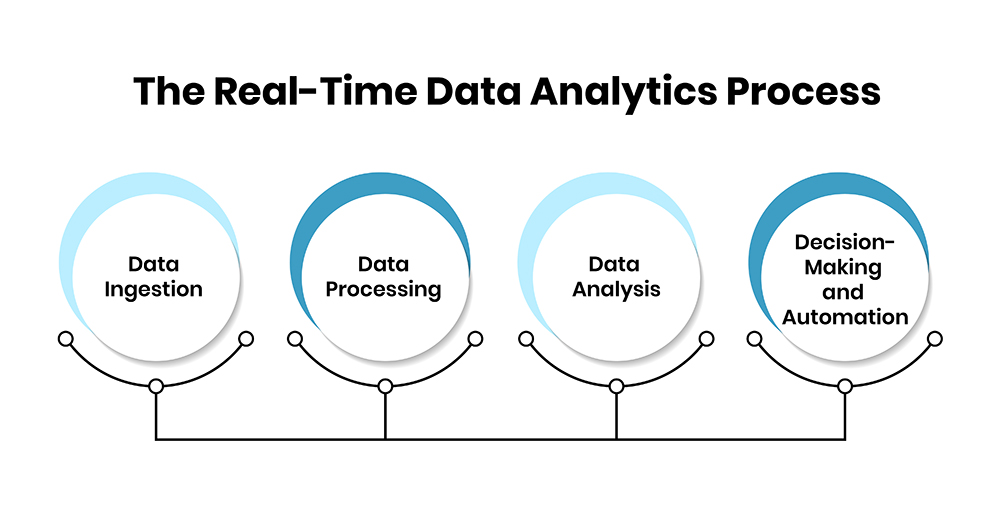
Define the target that processes the incoming events. For an oracle, this is typically an OCI Function (serverless), an Oracle Integration Cloud (OIC) instance, or a streaming endpoint. Configure the target to receive the event payload, which contains the metadata and state changes of the source resource. This connection is the bridge between the raw infrastructure event and your oracle's logic.
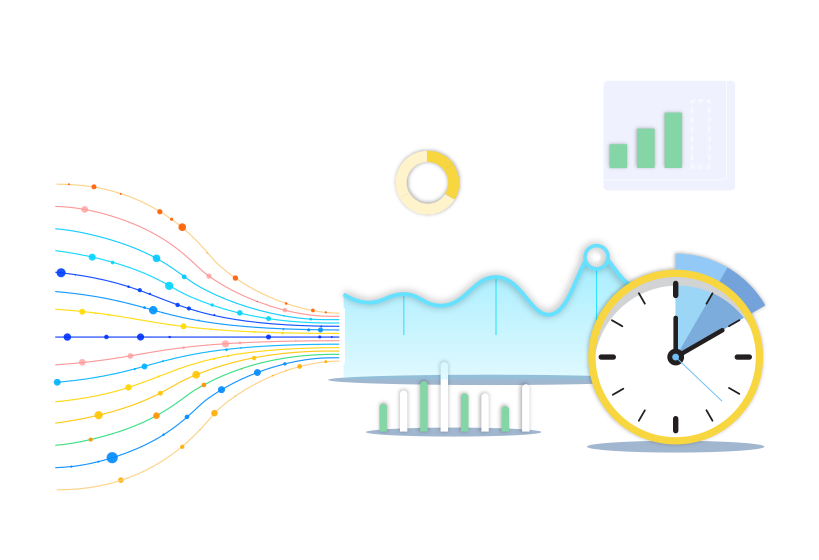
Trigger a real state change in your source resource (e.g., start an instance or upload a file). Verify that the event appears in the OCI Events dashboard and that your handler target processes it correctly. Check the handler logs to ensure the oracle receives the full payload and can parse the data accurately.
Once the events are flowing, your oracle is primed to react to real-time changes. This setup replaces inefficient polling with a push-based architecture, reducing latency and computational overhead.
Configure OIC for event-based integration
Build Event-Driven Oracles for Real-Time Data works best as a sequence, not a scramble through settings. Do the minimum first: confirm compatibility, connect the core hardware, update only when needed, and test the result before adding optional features. That order keeps the task understandable and makes failures easier to isolate. After each step, pause long enough for the interface to finish syncing. Many setup problems are timing problems disguised as configuration problems. If the same step fails twice, record the exact error, restart the smallest affected piece, and retry before moving deeper.

Handle common integration errors
The easiest mistake with Build Event-Driven Oracles for Real-Time Data is comparing options on the most visible detail while ignoring the day-to-day constraint. A choice can look strong on paper and still fail because it is too hard to maintain, too expensive to repeat, or awkward in the actual setting. Use the same checklist for every option: fit, cost, durability, timing, upkeep, and fallback plan. That keeps the comparison practical instead of drifting into preference alone.
The simplest way to use this section is to write down the real constraint first, compare each option against it, and choose the path that still works outside ideal conditions.
Verify real-time data synchronization
An event-driven oracle is only useful if the data arrives when expected. You must validate that Oracle Integration Cloud (OIC) is capturing and forwarding events from Oracle SaaS applications without delay or data loss. Treat this verification as a stress test for your EDA pipeline.

Frequently asked questions about event-driven oracles
What is an example of event-driven architecture?
A common enterprise example involves Oracle Integration Cloud (OIC) listening for a "Purchase Order Created" event in Oracle Fusion ERP. Instead of polling the database, OIC receives the event via a SaaS adapter, triggers a middleware integration, and updates inventory or triggers shipping workflows in real time.
What are the downsides of an event-driven architecture?
The primary challenge is complexity in debugging. Because systems communicate asynchronously through events, tracing a transaction across multiple microservices or cloud applications can be difficult. You also need robust error handling for "lost" events or duplicate processing, which requires careful design of idempotency and message queues.
What is event-based integration in OIC?
In Oracle Integration Cloud, event-based integration allows you to build integrations that start automatically when a specific business event occurs. You configure triggers using Oracle SaaS adapters (like ERP or HCM) or custom events, enabling your cloud apps to react instantly to status changes or transactions without scheduled polls.
No comments yet. Be the first to share your thoughts!