Set up the oracle infrastructure
Building an event-driven oracle requires a foundation that prioritizes low latency and reliable data ingestion. Unlike traditional pull-based oracles that rely on periodic HTTP requests, an event-driven architecture listens for specific state changes or transactions in real-time. This shift reduces the window for stale data and ensures smart contracts react immediately to market movements or external triggers.
The first step is selecting an oracle network that natively supports WebSocket connections. HTTP polling introduces unacceptable delays for real-time contracts, as the contract must wait for the next scheduled check rather than reacting to the moment an event occurs. Providers like Chainlink, Pyth, and API3 offer robust WebSocket endpoints that stream data directly to your node or middleware layer. Ensure the selected provider supports the specific data types (price feeds, weather data, sports scores) and blockchains your application targets.
Once the network is selected, configure the initial event listeners. These listeners act as the bridge between the on-chain world and off-chain data sources. You will define filters for specific topics or events, such as a token price crossing a threshold or a new order being placed. Most oracle SDKs provide helper functions to subscribe to these streams without blocking the main execution thread.
Evaluate providers based on their WebSocket support, data coverage, and decentralization model. Check their documentation for SDK compatibility with your chosen blockchain. Prioritize providers that offer direct event streams rather than requiring you to build custom polling logic.

Initialize the WebSocket client using the provider's API keys and endpoint URLs. Set up connection handling for reconnections and latency spikes. Most modern SDKs handle this automatically, but you should verify that the connection remains stable under load.
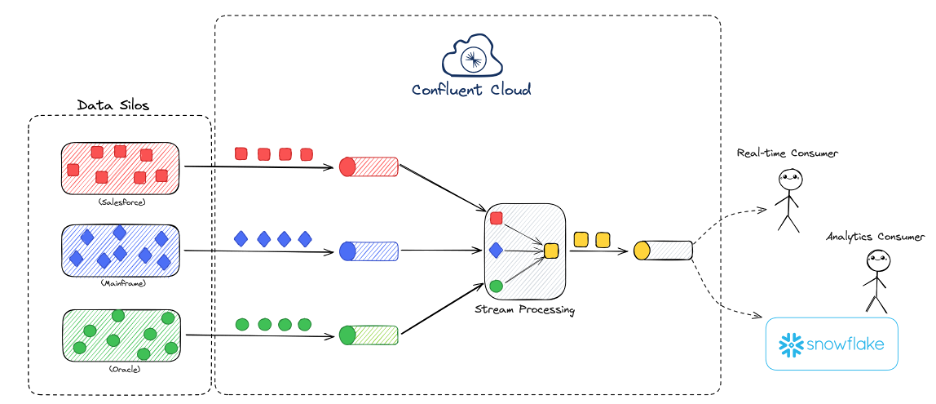
Write code to subscribe to specific events relevant to your use case. For example, listen for price updates on a specific trading pair or status changes in a supply chain system. Ensure your filters are precise to avoid processing unnecessary data.
Run a local test environment to verify that events are received and processed correctly. Check for data integrity and latency. Simulate edge cases such as rapid price changes or network interruptions to ensure your oracle handles them gracefully.
With the infrastructure in place, your oracle is ready to ingest real-time data. This setup forms the backbone of any event-driven application, ensuring that your smart contracts always have access to the most current information available.
Write the smart contract logic
The smart contract acts as the final destination for your event-driven oracle. Its primary job is to listen for specific events emitted by the oracle network and update internal state only when the data is valid. This section covers the Solidity code required to receive these signals and process the incoming information securely.
Your contract must implement an interface compatible with the oracle provider. This interface defines the receiveUpdate function, which the oracle calls when new data is available. Ensure the function signature matches the oracle's requirements exactly, including any required modifiers like onlyOracle to prevent unauthorized calls.
interface IOracleReceiver {
    function receiveUpdate(bytes32 requestId, uint256 newValue) external;
}
The onlyOracle modifier is critical. It checks the msg.sender against a stored oracle address. If the sender is not the authorized oracle, the transaction reverts. This prevents malicious actors from manipulating your contract's state with fake data.
Inside your contract, implement the receiveUpdate function. This function should accept the requestId and the new newValue. First, verify that the request is valid and hasn't been processed before. Then, update your contract's internal state variables.
mapping(bytes32 => bool) private processedRequests;
uint256 public latestValue;

function receiveUpdate(bytes32 requestId, uint256 newValue) external onlyOracle {
    require(!processedRequests[requestId], "Request already processed");
    processedRequests[requestId] = true;
    latestValue = newValue;
    emit ValueUpdated(requestId, newValue);
}
This approach ensures idempotency. If the oracle re-emits the same event due to a network retry, the contract ignores it, preventing double-processing or state corruption. Emitting a ValueUpdated event allows off-chain services to track changes in real-time.
Before accepting the new value, add validation logic to ensure it falls within expected ranges. For example, if you are tracking price data, reject values that are zero or exceed a reasonable threshold. This adds a layer of defense against oracle errors or malicious data feeds.
function receiveUpdate(bytes32 requestId, uint256 newValue) external onlyOracle {
    require(!processedRequests[requestId], "Request already processed");
    require(newValue > 0 && newValue < 1e30, "Invalid value range");
    processedRequests[requestId] = true;
    latestValue = newValue;
    emit ValueUpdated(requestId, newValue);
}
By combining access control, idempotency, and range validation, your contract remains robust against common oracle attack vectors. This logic forms the backbone of a reliable event-driven oracle integration.
The code snippets above demonstrate the core structure for receiving and processing oracle events. By following these steps, you ensure that your smart contract only reacts to valid, authorized data changes, maintaining the integrity of your decentralized application.
Test the data feed integration
Before deploying to mainnet, you must verify that your oracle correctly pushes data to the smart contract and that the contract reacts as expected under test conditions. This section walks through the verification process using a local node and simulated events.
Use a tool like Hardhat or Foundry to launch a local Ethereum node. This provides an isolated environment where you can deploy your oracle contract and test contract without spending real funds. Ensure the node is fully synced and ready to accept transactions.
Deploy your oracle contract to the local node. Then, deploy a simple test contract that mimics your production logic. This contract should have a function that updates a state variable based on data received from the oracle. Verify that both contracts are deployed successfully and note their addresses.
Simulate real-world data by sending test events to your oracle. You can do this by calling a function on the oracle contract that accepts test data or by using a script to push events directly to the oracle’s event listener. Ensure the data format matches what your contract expects.
After the oracle processes the test events, check the state of your test contract. The state variable should reflect the data pushed by the oracle. If the state remains unchanged, review your oracle’s event handling logic and the contract’s event listeners for potential mismatches.
Examine the transaction logs and console output for any errors or warnings. Look for failed transactions, revert reasons, or unexpected gas usage. If the oracle fails to push data, the logs will often indicate whether the issue lies in the oracle’s configuration, the network connection, or the contract’s validation logic.
If the test contract updates correctly and logs show no errors, your event-driven oracle integration is working as intended. You can now proceed to more complex testing scenarios, such as testing with multiple data sources or simulating network delays.
Deploy the oracle network
Deployment is the transition from local testing to a live, verifiable state on the blockchain. Before pushing to mainnet, ensure your deployment scripts include the correct network IDs and gas limits. For Ethereum-based oracles, gas estimation is critical; underestimating leads to transaction failures, while overestimating wastes capital.
Verify the oracle contract address on the block explorer immediately after deployment. Cross-reference this with your CI/CD pipeline logs to ensure no address substitution occurred during the build process. If your architecture relies on a multi-signature wallet for upgrades, confirm that the threshold signatures are correctly configured before enabling any write permissions.
Pre-deployment checklist
-
Gas limits set for worst-case execution paths.
-
Oracle contract address verified on block explorer.
-
Emergency pause mechanism tested and accessible.
-
Off-chain worker endpoints configured and reachable.
Monitoring performance
Once deployed, treat the oracle as a living system. Monitor two primary metrics: latency and data consistency. Latency measures the time between an off-chain event and its on-chain recording. Consistency checks ensure that multiple oracle nodes report identical data for the same event, preventing divergence.
Set up alerts for latency spikes. A sudden increase often indicates network congestion or a failing node. Use a dashboard to track the health of each node in your network. If one node consistently falls behind, it should be flagged for maintenance or replacement to maintain the reliability of the event-driven architecture.
Common oracle integration issues
Even with robust architecture, event-driven oracles face friction during deployment. Latency mismatches and data manipulation are the most frequent pitfalls. Addressing these requires precise configuration and validation logic.
Latency mismatches
Event-driven systems rely on asynchronous communication. If the consumer processes events faster than the oracle delivers them, gaps appear in the state. This often happens when retry policies are too aggressive or queue depths are insufficient.
To fix this, implement exponential backoff in your consumer logic. Monitor queue lag metrics closely. If lag exceeds your SLA threshold, scale the consumer horizontally to match the event throughput.
Data manipulation
Oracles bridge off-chain data with on-chain contracts. If the data format changes unexpectedly, transactions fail. This is common when external APIs update their schemas without notice.
Always validate incoming data against a strict schema before broadcasting to the blockchain. Use a middleware layer to normalize data types. If the source API changes, the middleware should alert you before the invalid data reaches the contract.
Signature verification
Ensure that oracle signatures are verified on-chain. Without this step, anyone can submit fake data. Use a multi-signature scheme or a decentralized network of oracles to prevent single points of failure.
No comments yet. Be the first to share your thoughts!