What event-driven oracles do
Traditional oracles operate like a security guard making scheduled rounds. They pull data from an external source at fixed intervals—every ten minutes, every hour—and push the result to the blockchain. This approach works for static assets like gold prices, but it fails for dynamic DeFi environments where seconds matter. By the time the oracle checks the price again, the market may have already shifted, leaving smart contracts trading on stale information.
Event-driven oracles replace this polling schedule with a push model. Instead of asking "What is the price now?" at regular intervals, these systems wait for specific on-chain conditions or external triggers to fire. When a threshold is breached or a transaction occurs, the oracle immediately relays the data to the relevant smart contract. This reduces latency and ensures that autonomous DeFi protocols react to real-time market movements rather than historical snapshots.
This distinction is critical for high-frequency strategies. In traditional polling, a flash crash might be missed entirely if it happens between check-ins. In an event-driven setup, the oracle detects the volatility spike the moment it happens and executes the necessary logic. This turns passive data feeds into active, responsive agents capable of handling complex automation tasks without manual intervention.
The shift from polling to event-driven architecture mirrors the difference between checking your email every hour versus receiving a notification the instant a message arrives. For DeFi, this responsiveness is not just a convenience—it is a requirement for safety and efficiency. Protocols that rely on real-time data must eliminate the gaps between checks to prevent arbitrage attacks and ensure accurate execution.
Set up the event listener
To build a real-time DeFi oracle, you must first establish a reliable connection to the blockchain data stream. This step involves configuring your system to listen for specific blockchain events, such as price updates or transaction confirmations, rather than polling for changes. This event-driven approach ensures your oracle reacts instantly to on-chain activity.
Configure the listener
Begin by initializing your listener with the target contract address and the specific event signature you wish to monitor. This tells your application exactly which data to capture. You will need to define a handler function that executes whenever the specified event is emitted. This handler will parse the incoming data and pass it to your oracle’s logic for validation and transmission.
const contract = new ethers.Contract(
  contractAddress,
  abi,
  provider
);

contract.on('PriceUpdated', (price, timestamp) => {
  console.log(`New price: ${price} at ${timestamp}`);
  handleOracleUpdate(price, timestamp);
});
Validate and filter data
Once the listener is active, it is crucial to implement basic validation within your handler. Blockchain data can be noisy or delayed. Ensure that the incoming data meets your expected format and range before proceeding. This filtering step prevents your oracle from processing malformed or stale data, maintaining the integrity of the automation workflow.

Process the incoming data
Once the event is detected, the oracle must immediately ingest the payload. This phase is the critical filter between raw blockchain noise and actionable DeFi logic. You are not just reading data; you are verifying its integrity before it influences protocol state.
Validate the payload
First, check the signature and source of the event. If the data comes from a decentralized oracle network, verify that a majority of nodes have reported the same value to prevent single-point failures. For single-source oracles, ensure the sender address matches the trusted oracle contract. Reject any payload that fails these basic checks to protect the protocol from manipulation.
Transform and normalize
Raw event data often arrives in formats like hex strings or raw bytes. Convert these into the standard data types expected by your DeFi protocol, such as fixed-point decimals or standardized timestamps. This normalization ensures that downstream smart contracts can process the information without additional conversion overhead, reducing gas costs and potential rounding errors.
Write to the oracle contract
Finally, submit the validated and transformed data to the oracle registry or directly to the DeFi protocol’s state variables. Ensure the transaction is atomic; if the write fails, the entire process should revert to prevent stale or inconsistent data from being recorded. This step completes the event-driven cycle, making the new data available for immediate automation.
// Example data validation and transformation
function processEvent(bytes calldata payload) external {
    // 1. Validate signature
    require(checkSignature(payload), "Invalid signature");

    // 2. Decode and transform
    uint256 normalizedValue = decodeAndNormalize(payload);

    // 3. Write to state
    oracleData = normalizedValue;
}
Write updates to the chain
With your data verified and processed, the final step is committing the result to the blockchain. This transaction acts as the signal that triggers downstream DeFi actions, such as executing a trade or updating a collateral position.
1. Prepare the transaction payload
Construct the calldata for your smart contract function. Ensure the payload matches the expected data types (e.g., uint256 for price feeds). Use a library like ethers.js or web3.js to encode the function call.
2. Sign and broadcast the transaction
Use your private key or a hardware wallet to sign the transaction. Broadcast it to the network using a reliable RPC endpoint. Monitor the transaction hash to ensure it is included in a block.
3. Verify on-chain
Once the transaction is confirmed, verify the data on-chain using a block explorer. Check that the updated value matches your processed data. This step confirms that your oracle is correctly feeding information to the DeFi protocol.
Common event-driven oracle setup mistakes
Building reliable event-driven oracles requires precision. A single misconfigured parameter can break automation or drain user funds. Below are the most frequent setup errors and how to avoid them.
| Mistake | Impact | Fix |
|---|---|---|
| Ignoring latency thresholds | Stale data triggers bad trades | Set strict block-time limits |
| Over-filtering events | Missed critical state changes | Use indexed parameters for logs |
| No gas optimization | Transaction reverts due to cost | Batch updates and minimize storage writes |
| Unverified data sources | Oracle manipulation attacks | Use multi-source consensus |
1. Latency and Staleness
Event-driven oracles must react within specific time windows. If your oracle fetches data too slowly, the price or state it reports may no longer be valid by the time it reaches the smart contract. This is especially dangerous in high-frequency trading or liquidation engines.
Always define a maximum acceptable latency. If the data is older than a certain number of blocks, reject it. This prevents stale information from triggering incorrect actions.
2. Event Filtering Errors
Many developers make the mistake of filtering events incorrectly. If you filter out events that seem "redundant," you might miss critical state changes. Conversely, if you listen to too many events, you waste gas and processing power.
Indexing allows your oracle to efficiently filter logs on-chain or off-chain without fetching unnecessary data. This keeps your setup lean and cost-effective.
3. Gas Optimization Failures
Oracles often write to multiple contracts or update complex storage slots. If you don't optimize these writes, transactions can fail due to exceeding the block gas limit. This is a common failure point for oracles handling high-volume events.
Batch updates where possible. Instead of writing to storage on every single event, aggregate data and write periodically. This reduces the overall gas cost per update and increases the reliability of your oracle's execution.
Verify your oracle integration
Testing an event-driven oracle requires validating the chain from off-chain data generation to on-chain contract execution. You must ensure that the event emission, data processing, and final state update occur in the correct sequence without data loss or latency spikes.
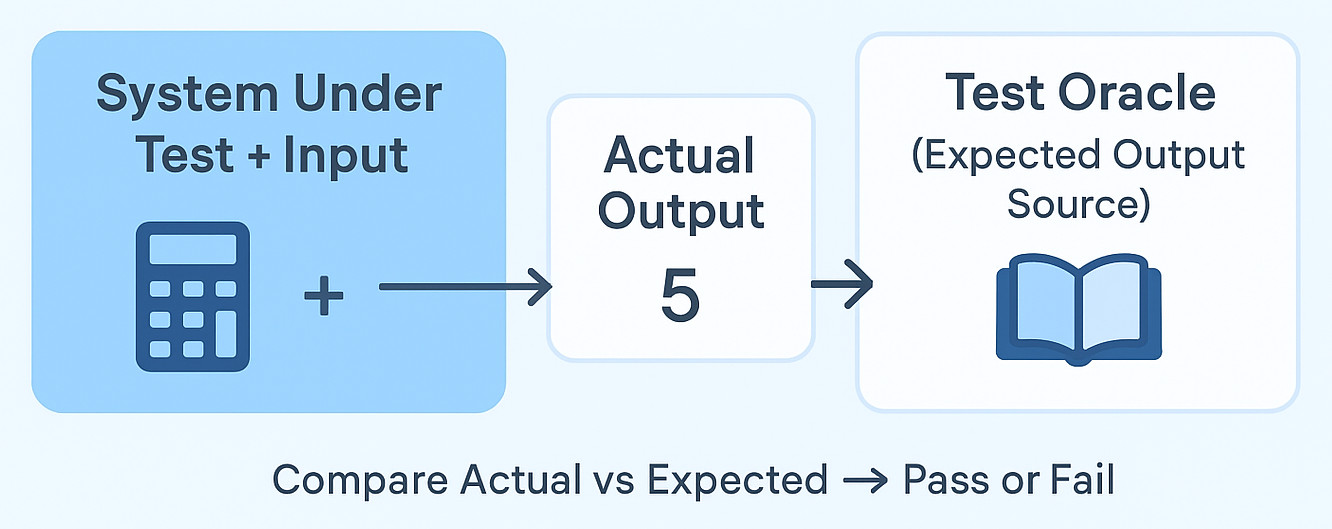
Trigger the oracle feed and monitor the node logs. Verify that the OracleEvent is emitted with the correct payload hash and timestamp. Compare the emitted data against the source to ensure no truncation or encoding errors occurred during transmission.
Inspect the intermediary processor or aggregator contract. Confirm that the raw event data is correctly decoded and that any necessary consensus or medianization logic (if applicable) has been applied. Ensure the processed value matches your expected test case within the acceptable tolerance range.

Query the target DeFi contract’s storage variables. Verify that the lastUpdatedPrice or equivalent state variable reflects the new oracle data. Check the updatedAt block number to ensure the update occurred in the same block or the immediately following one, depending on your architecture’s design.

Simulate a downstream action, such as a liquidation or position adjustment, that relies on the updated oracle data. Execute a transaction that would fail if the data were stale. Confirm that the contract correctly interprets the new state and executes the intended business logic without reverting.
Event-driven architectures are asynchronous. Always test under network congestion to ensure your oracle can keep up with the required update frequency without falling behind the chain’s block time.
Event-driven oracle: what to check next
Here are the most common questions about building event-driven architectures for DeFi automation.
What is an example of event-driven architecture?
Event-driven architecture (EDA) relies on producers generating events that consumers react to asynchronously. In retail, a new order triggers updates to finance and inventory systems without blocking the checkout process. In DeFi, an oracle doesn't poll prices; it waits for a price feed event to trigger a liquidation or swap.
How do you create an Oracle event?
Creating an event involves defining the trigger and the payload. In Oracle Cloud, you typically open the navigation menu, select Events, and click Create event. You then define the rule (e.g., resourceType = "oracle.database") and the target handler. The system routes the event only to registered listeners, decoupling the source from the consumer.
What is the difference between SOA and EDA?
Service-Oriented Architecture (SOA) often relies on synchronous communication, where services wait for a response before proceeding. Event-Driven Architecture (EDA) is asynchronous. Services publish events and move on, while other services consume them when ready. This makes EDA more scalable for real-time DeFi tasks where latency matters.
What are the downsides of event-driven architecture?
EDA introduces complexity in debugging and testing. Because events are asynchronous and fire independently, tracking the flow of data across multiple handlers can be difficult. "Transient/persistent errors" can also arise, where a handler fails temporarily, requiring robust retry logic and dead-letter queues to prevent data loss.
No comments yet. Be the first to share your thoughts!