

Event-driven oracles in 2026: the practical limits to account for
The oracle trilemma—balancing decentralization, security, and scalability—has long forced DeFi protocols to choose between latency and trust. In 2026, event-driven oracles solve this by shifting from periodic polling to real-time event consumption. Instead of asking "what is the price now?" every block, the oracle subscribes to specific on-chain or off-chain events, triggering data updates only when they matter. This reduces gas costs and minimizes the window for manipulation, effectively breaking the trilemma.
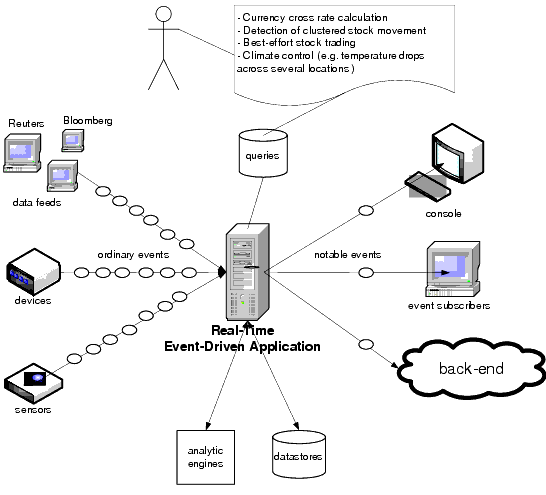
Traditional oracles operate like a clock, ticking at fixed intervals regardless of market activity. Event-driven oracles act like sensors, reacting instantly to triggers. For high-frequency trading or liquidation engines, this difference is the gap between profitability and insolvency. By decoupling data delivery from block time, protocols can achieve sub-second finality without sacrificing the decentralized verification that users require.
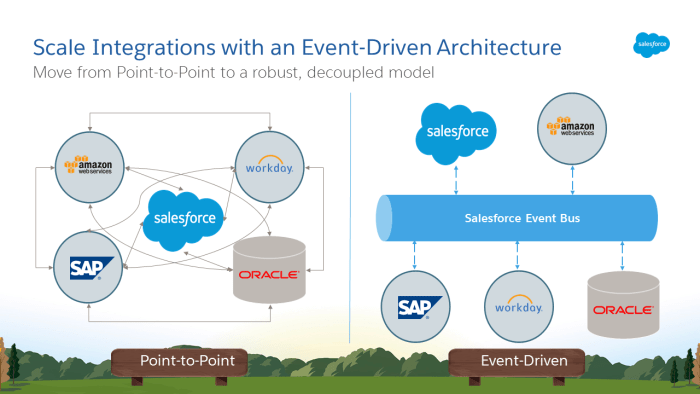
The tradeoff is architectural complexity. Protocols must handle event ordering, potential reorgs, and fallback mechanisms if an oracle node goes offline. However, for DeFi applications where speed is a feature, the event-driven model is no longer optional—it is the standard. As we move toward 2026, the comparison is no longer between centralized and decentralized oracles, but between reactive event streams and static polling.
Event-driven oracles 2026 choices that change the plan
Choosing an event-driven oracle architecture in 2026 requires balancing three competing priorities: data freshness, cost efficiency, and system complexity. Unlike traditional polling models that fetch data at fixed intervals, event-driven oracles trigger updates only when underlying market conditions change. This shift reduces unnecessary blockchain transactions but introduces new dependencies on off-chain infrastructure reliability.
The primary tradeoff lies in latency versus predictability. Real-time event feeds provide immediate price discovery, which is critical for high-frequency trading or liquidation engines. However, this speed comes at the cost of higher infrastructure overhead and potential vulnerability to feed manipulation if the event source is compromised. Polling-based systems offer more predictable gas costs and simpler integration but may miss rapid price movements between intervals.
| Feature | Event-Driven Oracle | Traditional Polling Oracle |
|---|---|---|
| Latency | Sub-second (event-triggered) | Fixed interval (e.g., every 15 mins) |
| Gas Cost | Lower (only on state change) | Higher (fixed frequency regardless of change) |
| Complexity | High (requires event listeners) | Low (standard cron jobs) |
| Freshness | Real-time market updates | Stale data risk during volatility |
| Reliability | Dependent on event source | Independent of external triggers |
For DeFi protocols handling stablecoins or high-volume derivatives, the event-driven model is often superior because it minimizes stale price data during flash crashes. However, for simpler lending markets with lower volatility, the added complexity of managing event streams may not justify the gas savings. The decision ultimately depends on your protocol’s risk tolerance and the specific volatility of the assets involved.
Choose the next step
Event-Driven Oracles works best as a clear sequence: define the constraint, compare the realistic options, test the tradeoff, and choose the path with the fewest hidden costs. That order keeps the advice usable instead of decorative. After each step, pause long enough to check whether the recommendation still fits the reader's actual situation. If it depends on perfect timing, unusual access, or a best-case budget, include a simpler fallback.
Avoid the weak options
Use this section to make the Event-Driven Oracles decision easier to compare in real life, not just on paper. Start with the reader's actual constraint, then separate must-have requirements from details that are merely nice to have. A practical choice should survive normal use, maintenance, timing, and budget. If a recommendation only works in an ideal situation, call that out plainly and give the reader a fallback path.
The simplest way to use this section is to write down the must-have criteria first, then compare each option against those criteria before weighing nice-to-have features.
No comments yet. Be the first to share your thoughts!