
Implementing Event-Driven Oracles for Real-Time On-Chain Triggers in Solidity DeFi Contracts

In the high-stakes world of DeFi, where milliseconds can mean millions, event-driven oracles stand out as the linchpin for responsive smart contracts. These specialized oracles don’t just pipe in data; they react to on-chain event triggers in real time, enabling Solidity contracts to execute logic autonomously when conditions align. Picture a lending protocol that instantly liquidates collateral the moment a price dips below a threshold, or a prediction market that settles bets as events unfold. EventOracles. com powers this precision with low-latency feeds tailored for blockchain builders pushing the boundaries of decentralized finance.

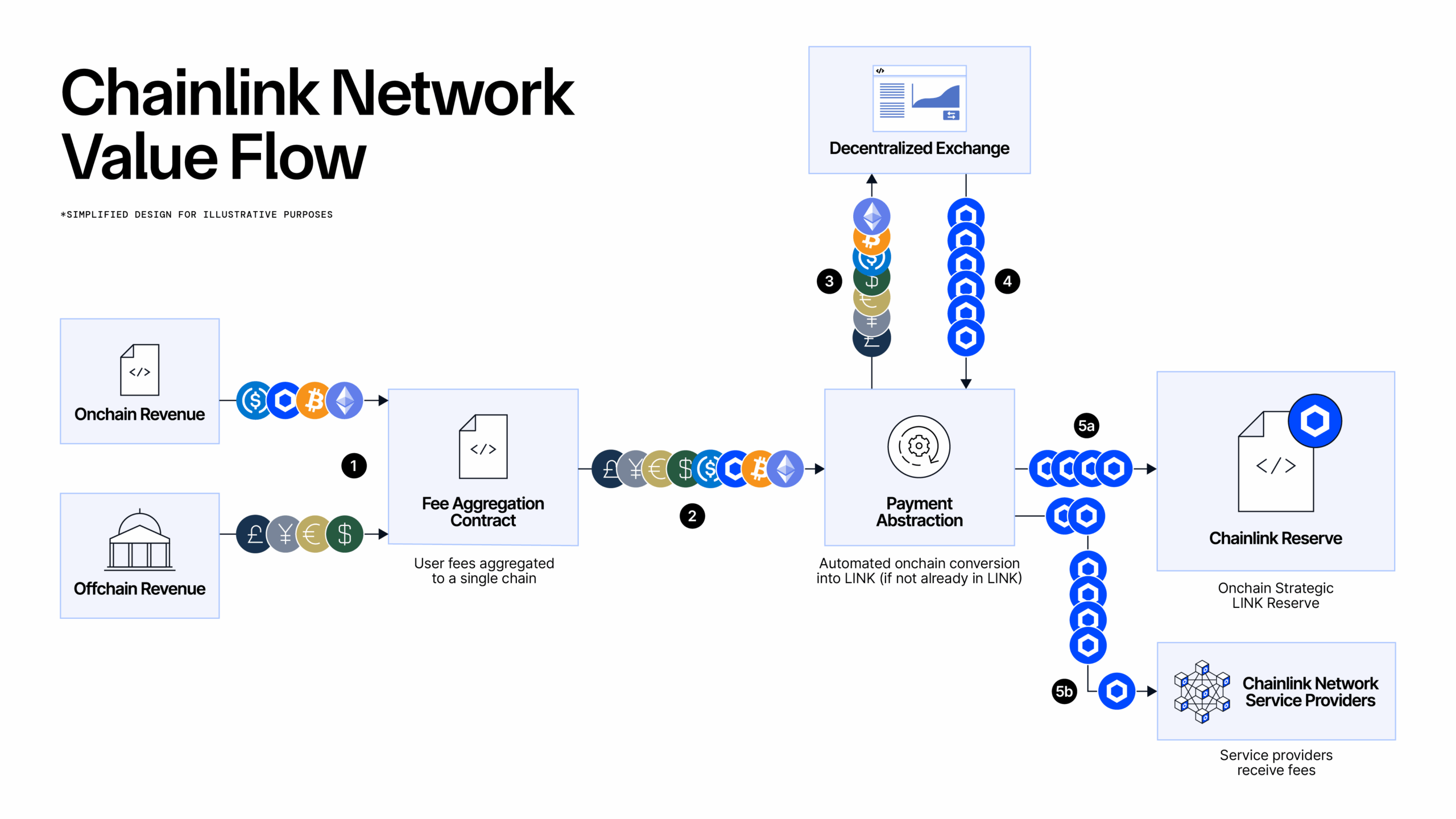
Traditional oracles pull data on demand, but that’s too slow for today’s DeFi demands. Event-driven oracles flip the script: off-chain systems monitor events like market shifts or API updates, then push verified data on-chain via triggers. This setup, as highlighted in Chainlink’s technical guides, leverages automation frameworks to bridge off-chain reality with on-chain action. For developers, it means crafting Solidity oracle integration that’s not reactive but proactive, slashing latency and frontrunning risks.
Why DeFi Protocols Demand Real-Time On-Chain Triggers
DeFi thrives on efficiency, yet most protocols limp along with periodic data pulls that expose them to manipulation. DeFi real-time data feeds from event-driven oracles change that. Consider decentralized derivatives: a low-latency oracle can detect price anomalies and trigger settlements before arbitrage bots pounce. Ethereum. org underscores oracles as vital for off-chain data, but event-driven variants elevate this by tying feeds directly to blockchain happenings.
From my vantage as a portfolio manager blending crypto with traditional assets, I’ve seen unbalanced strategies crumble under delayed info. Web3 event oracles enforce balance by ensuring contracts respond to events like token transfers or liquidity shifts without human intervention. Reactive Network’s insights on monitoring on-chain events align here; smart contracts become self-sustaining machines, ideal for stablecoins maintaining pegs or lending platforms adjusting rates dynamically.
Reactive Smart Contracts are adept at monitoring on-chain events and executing subsequent on-chain actions in response.
This isn’t hype. ACM research contrasts transaction-driven models with event-driven ones, proving the latter scales better for complex DeFi logic. Builders using EventOracles. com tap into this, diversifying risk across reliable triggers that keep protocols humming even in volatile markets.
DeFi Contract Example Using Chainlink Automation for Oracle-Driven Triggers
This Solidity contract example illustrates the integration of Chainlink Automation for event-driven triggers based on real-time oracle data from a Chainlink price feed. The contract monitors asset prices and automatically triggers liquidation when the price falls below a predefined threshold.
```solidity
// SPDX-License-Identifier: MIT
pragma solidity ^0.8.19;

import {AutomationCompatibleInterface} from "@chainlink/contracts/src/v0.8/automation/AutomationCompatible.sol";
import {AggregatorV3Interface} from "@chainlink/contracts/src/v0.8/interfaces/AggregatorV3Interface.sol";

/// @title DeFi Liquidation Contract with Chainlink Automation
/// @notice Monitors oracle price feeds for liquidation conditions using event-driven triggers
contract DeFiLiquidation is AutomationCompatibleInterface {
    AggregatorV3Interface internal s_priceFeed;
    uint256 public s_threshold;
    address public owner;

    event PriceCheck(int256 price, bool shouldLiquidate);

    constructor(address _priceFeed, uint256 _threshold) {
        s_priceFeed = AggregatorV3Interface(_priceFeed);
        s_threshold = _threshold;
        owner = msg.sender;
    }

    /// @notice Checks if upkeep is needed based on real-time oracle price
    /// @dev Called by Chainlink Automation on log triggers or scheduled upkeeps
    function checkUpkeep(bytes calldata /* checkData */) external view override returns (bool upkeepNeeded, bytes memory /* performData */) {
        (, int256 price, , , ) = s_priceFeed.latestRoundData();
        upkeepNeeded = (price < int256(s_threshold));
        emit PriceCheck(price, upkeepNeeded);
    }

    /// @notice Performs liquidation if condition is met
    /// @dev Executed by Chainlink Automation when upkeep is needed
    function performUpkeep(bytes calldata /* performData */) external override {
        (, int256 price, , , ) = s_priceFeed.latestRoundData();
        require(price < int256(s_threshold), "No liquidation needed");

        // Perform liquidation logic here
        // e.g., liquidate collateral, repay debt, etc.

        emit PriceCheck(price, true);
    }

    function updateThreshold(uint256 _newThreshold) external {
        require(msg.sender == owner, "Only owner");
        s_threshold = _newThreshold;
    }
}
```
To deploy this contract, register it with Chainlink Automation on a supported network, configuring log-triggered upkeeps to respond to price check events for efficient, real-time on-chain responses. Ensure the price feed address corresponds to the desired asset pair, such as ETH/USD.
Core Components of Event-Driven Oracle Architecture
At its heart, an event-driven oracle architecture splits into three pillars: detection, verification, and execution. Off-chain nodes scan for triggers, such as API price updates or external API calls confirming real-world events. Once detected, data funnels through decentralized verifiers to thwart single points of failure, then hits the blockchain as a callback to your Solidity contract.
Chainlink Automation exemplifies this, registering contracts for upkeep when events fire. For Solidity devs, it starts with defining interfaces that accept oracle payloads. Metana's bootcamp notes emphasize secure external communication, but event-driven setups add conditional logic: only fire if the event matches predefined criteria, like a collateral ratio breaching 150%.
Security is non-negotiable. Medium guides on Asset Chain integrations stress decentralized oracles to avoid centralization pitfalls. EventOracles. com builds on this with tamper-proof feeds, ensuring on-chain event triggers deliver verifiable truth. In practice, this means your DeFi contract can trust the data for high-value actions, from oracle-updated liquidations to automated yield optimizations.
Step-by-Step Solidity Setup for Oracle Triggers
Integrating event-driven oracles in Solidity begins with a consumer contract that inherits from an oracle interface. You'll need to register event listeners off-chain, but on-chain, focus on callback functions that process incoming data. Here's where precision pays off: use modifiers to validate sources and timestamps, guarding against replays or stale info.
ChainUp's take on oracles bridging to reality fits perfectly; for DeFi, this means tying IoT-confirmed deliveries to token releases or weather data to crop insurance payouts. YouTube tutorials on Chainlink with Moonbeam show deployment ease, but EventOracles. com streamlines it further for parachain compatibility.
Anomaly detection, as in RUN's blockchain studies, enhances this: oracles flag outlier data before on-chain commitment, vital for price feeds in derivatives. Chainlink's low-latency solutions counter frontrunning, a DeFi killer I've navigated firsthand. By layer 2 scaling, these triggers hit sub-second response times, positioning your protocol ahead of the curve.
Layering in these safeguards turns a basic oracle integration into a fortress for DeFi operations. From my experience managing diversified portfolios, where one weak link can unravel gains, prioritizing robust Solidity oracle integration is non-negotiable. EventOracles. com excels here, offering plug-and-play modules that handle the heavy lifting off-chain while your contracts focus on core logic.
Hands-On Guide to Deploying Event-Driven Triggers
Let's drill down into the mechanics. Beyond the initial interface, you'll configure off-chain adapters to listen for your contract's emitted events. These adapters, powered by services like EventOracles. com, poll APIs or websockets for corroborating data, aggregate it across nodes, and invoke your fulfillment function only after consensus. This decentralized consensus model, drawn from Chainlink's playbook, mitigates manipulation risks inherent in single-source feeds.
Once deployed, test rigorously on testnets like Sepolia. Simulate triggers with mock off-chain events to verify latency under load. In production, monitor gas costs; event-driven calls can spike during volatility, but optimized payloads keep them lean. I've optimized similar setups in hybrid trading bots, where sub-100ms responses preserved edges in forex-crypto arbitrage.
Real-World DeFi Applications and Performance Gains
Take a perpetuals exchange: traditional pull oracles lag, inviting frontrunning as prices slip. With event-driven oracles, an off-chain watcher spots a 5% ETH dip via multiple exchanges, verifies via medianization, and triggers margin calls instantly. Chainlink's derivatives solution echoes this, but EventOracles. com tunes it for custom Web3 triggers, like NFT floor price drops cueing insurance payouts.
Prediction markets shine too. An event like a sports score hits APIs; oracles push it on-chain, settling shares without disputes. Supply chain dApps automate releases on IoT confirmations, as ChainUp describes, blending physical and digital trustlessly. These aren't edge cases; they're the backbone of scalable DeFi, where DeFi real-time data feeds drive TVL growth.
| Application | Traditional Oracle | Event-Driven Oracle |
|---|---|---|
| Liquidations | Periodic checks (risky delays) 🔴 | Instant triggers 🟢 |
| Price Settlements | Manual or batched ❌ | Event-synced ✅ |
| Yield Optimization | Stale data losses | Dynamic adjustments |
This table underscores the edge: event-driven setups cut response times by orders of magnitude, per ACM frameworks shifting from transaction to event models. In volatile 2026 markets, that's the difference between profit and protocol hacks.
Scaling with EventOracles. com for Tomorrow's DeFi
EventOracles. com isn't just another provider; it's engineered for the next wave of Web3 event oracles. Low-latency across EVM chains, including L2s like Arbitrum, means your on-chain event triggers scale without compromise. Diversify feeds across providers if paranoid, but their track record in high-volume DeFi speaks volumes.
Looking ahead, as blockchain matures, event-driven oracles will underpin AI agents executing on-chain trades from off-chain signals. Protocols ignoring this lag behind. By embedding these now, builders craft antifragile systems that thrive on chaos, much like a balanced portfolio weathers storms.
EventOracles. com equips you with the tools to lead this shift. Deploy today, and watch your DeFi contracts evolve from static code to dynamic powerhouses.