Set up the oracle data pipeline
Building an event-driven oracle for AI agents requires a robust ingestion layer that can handle high-frequency blockchain events without latency bottlenecks. The goal is to transform raw on-chain activity into a structured stream that AI models can consume in real time. This section outlines the technical steps to configure this pipeline, focusing on node selection, event filtering, and data normalization.
The foundation of your oracle is the node. For AI agents requiring low-latency data, use a dedicated RPC endpoint or a managed node service like QuickNode or Alchemy rather than public endpoints. Ensure the node supports WebSocket connections for real-time subscription to new blocks and logs. This reduces polling overhead and ensures you capture every relevant event as it happens.
Instead of ingesting all block data, filter for specific contract events. Use the event signature (the keccak256 hash of the event name and parameters) to create topic filters. For example, if your AI agent monitors a Uniswap pool, filter for the Swap event signature. This drastically reduces bandwidth usage and processing load, allowing the pipeline to scale as the number of monitored contracts grows.
Blockchain networks can experience sudden spikes in activity. To prevent data loss or pipeline crashes, decouple the node from your processing logic using a message queue like Apache Kafka or RabbitMQ. When the node detects a filtered event, it pushes the payload to the queue. Your AI agent’s data processor then consumes messages at its own pace, ensuring smooth operation even during network congestion.
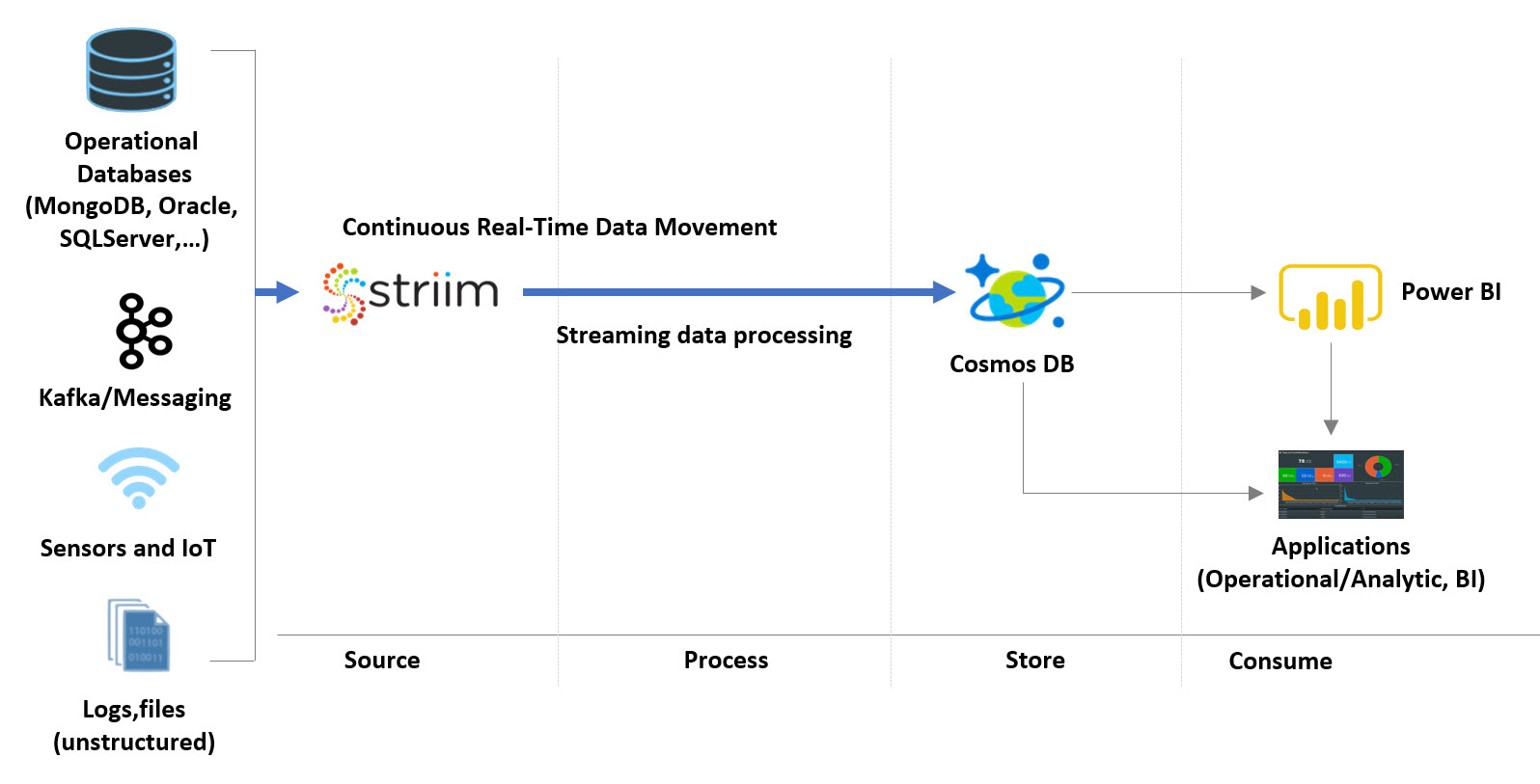
Raw blockchain data is often verbose and inconsistent. Create a standard schema for your oracle outputs that includes the event name, block number, transaction hash, timestamp, and normalized parameters. For instance, convert all Wei values to Ether and ensure address formats are consistent. Add a precise ingestion timestamp to distinguish between the on-chain event time and the time the oracle received it, which is critical for AI agents making time-sensitive decisions.
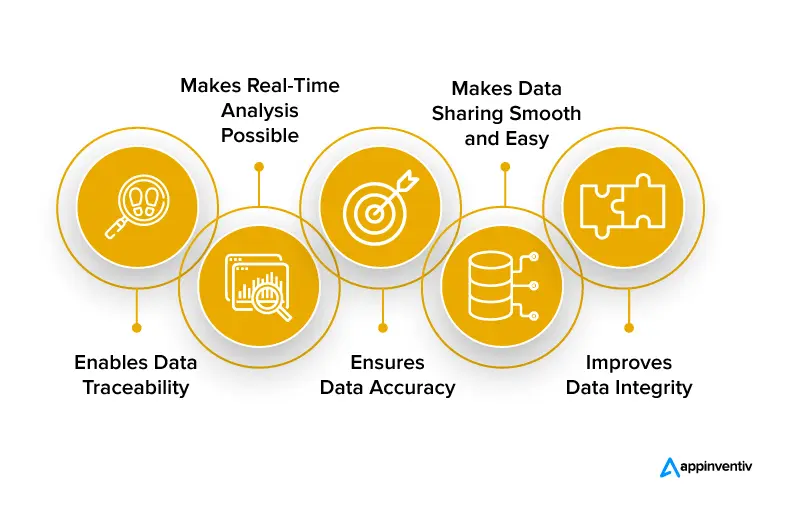
Before the data reaches the AI agent, run it through a validation layer. Check for schema compliance and logical consistency (e.g., ensure token amounts are positive). Once validated, route the data to the AI agent via a secure API endpoint or a secure WebSocket stream. Implement authentication (such as API keys or JWT) to ensure only authorized agents can access the oracle’s data stream.
By following these steps, you establish a reliable event-driven oracle pipeline. This architecture ensures that AI agents receive timely, accurate, and structured blockchain data, enabling them to perform real-time analysis and decision-making with confidence.
Configure low-latency event triggers
Minimizing the gap between a blockchain event and oracle delivery is the bottleneck for AI agent responsiveness. In high-frequency trading or automated execution, every millisecond of delay introduces slippage or missed opportunities. You must move from passive polling to active, event-driven architectures.
Instead of polling blocks at fixed intervals, connect directly to your node’s WebSocket endpoint. Subscribe to newHeads and logs topics. This ensures your oracle receives data the moment a block is finalized or a transaction is mined, eliminating the latency inherent in HTTP polling cycles. For a deep dive on the pitfalls of this architecture, see Victor Rentea’s analysis at Spring I/O 2026 [src-serp-6].
Chainlink and other oracle networks often process events sequentially to maintain order. To reduce latency, decouple the ingestion layer from the computation layer. Use a message queue like Kafka or RabbitMQ to fan out events to multiple parallel workers. This allows your oracle to validate, sign, and format data for multiple agents simultaneously without blocking the ingestion stream.
Wait times for multi-signature aggregation can add hundreds of milliseconds. Configure your oracle nodes to use lightweight signature schemes like BLS or Schnorr if supported by your target chain. Additionally, pre-aggregate signatures for high-frequency data points where minor variance is acceptable, rather than waiting for perfect consensus on every single micro-event.
Physical distance adds latency. If your AI agent is executing trades on Ethereum, deploy your oracle infrastructure in the same AWS region or data center as the Ethereum validator nodes. This reduces network hop count and ensures that the time between event occurrence and oracle delivery is measured in milliseconds, not seconds.
Connect oracle data to AI agent frameworks
The oracle’s job ends when the data is verified. The AI agent’s job begins when that data arrives in a format it can execute immediately. If the structure is ambiguous, the agent will hesitate or hallucinate a response. The goal of this integration is to transform raw blockchain events into deterministic instructions for LLMs and decision engines.
1. Normalize the payload structure
Raw oracle outputs often contain nested JSON, hexadecimal strings, or unstructured text. AI agents require clean, flat objects with consistent keys. Before sending data to the agent, parse the oracle response into a standardized schema. Use ISO 8601 for timestamps and decimal strings for financial values to prevent floating-point errors in reasoning models.
2. Choose the right transport layer
The method of delivery dictates how the agent perceives urgency. For high-frequency trading or latency-sensitive actions, a WebSocket stream allows the agent to react to price movements in real-time. For batch processing or daily reports, a REST API with a polling mechanism is sufficient. GraphQL offers a middle ground, allowing the agent to request only the specific fields it needs, reducing payload size and inference costs.
3. Implement semantic tagging
LLMs struggle with raw data without context. Add semantic tags to your oracle payloads to guide the agent’s reasoning. For example, instead of sending {"price": 1500}, send {"asset": "BTC", "price_usd": 1500, "source": "oracle_v2", "confidence": 0.99}. This explicit labeling helps the agent distinguish between verified oracle data and speculative market estimates.
4. Handle failures gracefully
AI agents must not freeze when data is missing. Implement a fallback mechanism in your integration layer. If the oracle times out, the agent should receive a structured error object, such as {"status": "unavailable", "reason": "timeout", "last_known_price": 1495}. This allows the agent to make a conservative decision based on the last known state rather than waiting indefinitely.
5. Validate against agent schemas
Before the data reaches the LLM, run it through a validation step. Ensure the data types match what the agent’s prompt expects. Mismatched types cause silent failures in reasoning chains. Use tools like Zod or Pydantic to enforce strict typing at the integration boundary, ensuring only clean, predictable data enters the agent’s context window.
6. Secure the data pipeline
Since AI agents can trigger financial transactions, the data pipeline must be tamper-proof. Sign all oracle payloads with a cryptographic signature that the agent can verify locally. This prevents man-in-the-middle attacks where a compromised network layer injects fake price data to manipulate the agent’s decisions.
7. Monitor and log integration health
Track the latency and error rates of your oracle-to-agent pipeline. If the agent starts making unusual decisions, check the logs for data anomalies. Correlate agent actions with oracle timestamps to identify if delays in data delivery caused the behavior. This visibility is essential for debugging complex agent workflows.
| Transport | Latency | Best For |
|---|---|---|
| WebSocket | <100ms | Real-time trading, high-frequency updates |
| REST API | 1-2s | Batch processing, daily reports |
| GraphQL | 1-3s | Selective data fetching, reducing payload size |
Test for reliability and edge cases
Event-driven oracles fail when the network behaves unpredictably. You must validate the system under stress before trusting it with financial data. This section provides a checklist for validating the oracle system under stress, including network partitions and data inconsistencies.
Start by simulating network partitions. Cut the connection between the oracle node and the blockchain bridge. Verify that the node queues messages locally rather than dropping them. When the connection restores, confirm that the backlog processes in order without duplicating events. This ensures data integrity during temporary outages.
Next, test for data inconsistencies. Feed the oracle conflicting inputs from multiple sources. Check if the aggregation logic resolves the conflict using the defined consensus rule (e.g., median or majority). If the oracle accepts contradictory data, it will produce incorrect results on-chain.
Finally, measure latency and uptime. Run the oracle continuously for 24 hours. Monitor the time between event emission and on-chain confirmation. If latency spikes during peak load, the system may miss critical price updates. Use the following checklist to ensure all edge cases are covered.
FAQ for event-driven oracles 2026
How do I minimize latency in event-driven oracle feeds?
Latency is the primary bottleneck for AI agents relying on real-time data. To keep event-driven oracles responsive, decouple the ingestion layer from the processing logic. Use lightweight message brokers like Kafka or RabbitMQ to buffer incoming events, allowing your agent to poll at its own pace without blocking the oracle source. Avoid synchronous REST calls for high-frequency data; instead, rely on WebSocket streams or server-sent events (SSE) to push updates only when state changes. This reduces network overhead and ensures your agent reacts to triggers rather than polling for stale data.
What are the main security risks for event-driven oracles?
Event-driven systems introduce unique attack surfaces, primarily around message integrity and source verification. A compromised oracle node can flood your agent with malicious events, leading to incorrect decisions or denial-of-service. Always verify the cryptographic signature of every event payload before processing. Implement strict input validation and schema enforcement (e.g., using JSON Schema or Protobuf) to reject malformed data. Additionally, use least-privilege access controls for your message broker, ensuring that only authorized services can publish or consume specific event topics. This prevents unauthorized actors from injecting fake triggers into your agent’s workflow.
How complex is integrating event-driven oracles with existing AI stacks?
Integration complexity depends heavily on your current infrastructure. If you are already using a cloud-native event bus, adding an oracle layer is straightforward: simply configure the oracle to publish to existing topics. However, if you are migrating from a request-response model, you will need to refactor your agent’s logic to handle asynchronous callbacks and eventual consistency. Start with a hybrid approach where the agent polls for initial state, then switches to event-driven updates for subsequent changes. This phased migration reduces risk and allows you to test the oracle’s reliability before fully committing to an asynchronous architecture.
Do event-driven oracles increase operational costs?
Event-driven oracles can reduce costs by eliminating unnecessary polling, but they introduce new infrastructure expenses. You must pay for the message broker, event storage, and the compute resources needed to process streams in real-time. For high-volume agents, this can be more expensive than simple REST API calls. However, for agents that only need to react to specific events, the cost savings from reduced network traffic and compute idle time often outweigh the infrastructure costs. Monitor your event throughput and adjust your consumer scaling policies to avoid over-provisioning resources during low-activity periods.
No comments yet. Be the first to share your thoughts!