How event-driven oracles work
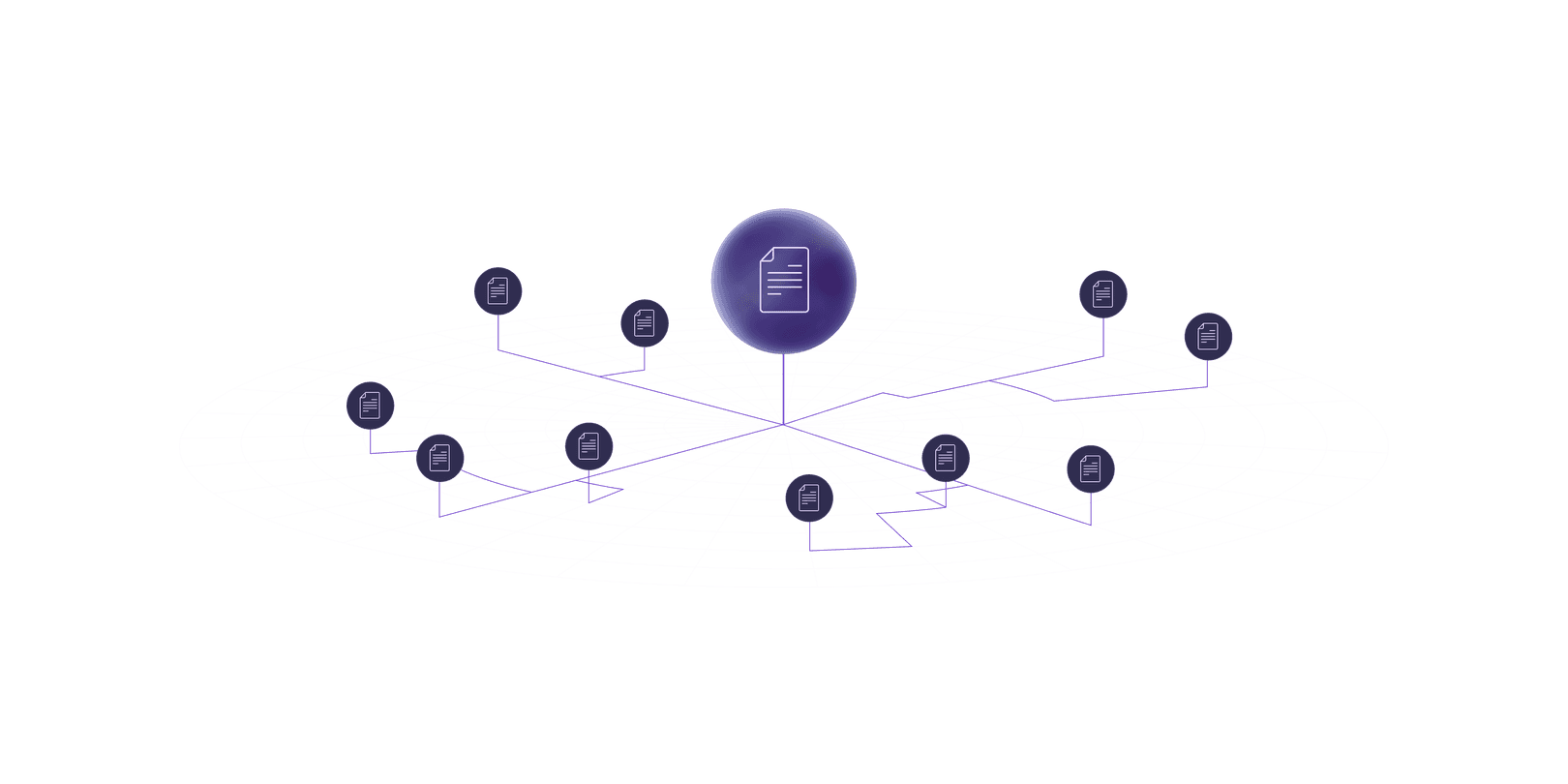
Traditional DeFi oracles often rely on polling—periodically querying an external source and updating the blockchain only when a new block is mined. This creates a latency gap where the data on-chain is already stale by the time a smart contract reads it. Event-driven oracles flip this model. Instead of waiting for a scheduled check, these oracles push data immediately upon detecting an external event.
An event is simply a signal that something just happened. In an event-driven architecture, systems communicate through these signals rather than through continuous requests. When a price feed updates, a payment succeeds, or a weather condition changes, the oracle captures that moment and broadcasts the change instantly. This allows DeFi applications to react to real-world changes as they occur, rather than on an arbitrary schedule.
This shift from pull to push reduces the window for exploitation. In high-frequency trading or liquidation scenarios, even a few seconds of delay can mean the difference between a successful execution and a failed transaction. By anchoring smart contract logic to immediate events, developers can build applications that are both faster and more reliable.
Why low-latency oracles matter
DeFi protocols operate on trustless logic, but that logic is only as good as the data it consumes. In 2026, the margin between profit and liquidation is measured in milliseconds. Traditional polling oracles, which fetch data at fixed intervals, create blind spots. During high volatility, price feeds can lag behind actual market conditions by seconds or even minutes. For automated market makers and lending protocols, this delay is fatal.
Event-driven oracles solve this by reacting to data the moment it changes. Instead of asking "what is the price?" every few seconds, these systems listen for a signal: "price just updated." This shift from polling to pushing data enables real-time execution. When an oracle detects a price movement, it immediately triggers the relevant smart contract functions. This reduces the window for arbitrageurs to exploit stale prices and ensures that liquidations happen at accurate thresholds.
Consider the mechanics of a liquidation. If a borrower’s collateral value drops below the required ratio, the protocol must seize assets quickly to maintain solvency. With low-latency event-driven oracles, the liquidation transaction is submitted to the blockchain almost instantly after the price feed updates. Without this speed, the protocol might wait for the next polling cycle, during which the collateral could lose more value, leaving the protocol under-collateralized. In this context, event-driven oracles are not just an optimization; they are a risk management necessity.
How smart contracts subscribe to oracle events
Event-driven oracles replace the inefficient polling model with a push-based architecture. Instead of contracts repeatedly querying a data source to check for updates, the oracle pushes new data directly when a change occurs. This shift reduces gas costs and ensures that price feeds and external data are available immediately, which is critical for low-latency DeFi protocols.
1. Configure the event listener
Smart contracts must first register an event listener for the specific oracle feed they need. This involves defining the event signature in the contract code and linking it to a handler function. The listener waits for a specific topic hash emitted by the oracle contract, ensuring only relevant data triggers execution.
2. Oracle emits a structured event
When an oracle aggregator detects a significant price movement or a scheduled update, it emits an Update event on-chain. This event contains the new data payload, such as a price tuple or a timestamp. The event is broadcast to the mempool, where it is visible to all nodes before being included in a block.
3. Contract processes the update
Once the transaction containing the event is mined, the smart contract’s event listener is triggered. The registered handler function executes, updating the contract’s internal state with the new oracle data. This allows the DeFi application to react instantly to market conditions without incurring the repeated gas costs associated with polling.
4. Validate and execute downstream logic
After the state is updated, downstream logic can proceed. For example, a lending protocol might immediately re-evaluate collateral ratios, or a DEX might adjust its liquidity provider payouts. Because the data is fresh and the update is atomic, the protocol maintains accuracy and prevents stale-data exploits.
Handling latency and failures
Even with event-driven oracles, network latency and oracle manipulation remain persistent risks. A low-latency design must anticipate that events will sometimes arrive late, out of order, or not at all. The architecture must distinguish between temporary network hiccups and permanent data failures to prevent cascading errors across DeFi protocols.
Mitigating network delays
Network congestion can delay event propagation, causing stale price feeds or missed execution windows. To mitigate this, systems should implement timeout thresholds that trigger fallback mechanisms rather than waiting indefinitely for a primary oracle response. Using multiple independent data sources allows the system to aggregate the most recent valid event, reducing the impact of individual node latency.
Preventing oracle manipulation
Oracle manipulation occurs when bad actors artificially inflate or deflate asset prices on a single exchange to exploit lending protocols or liquidations. Event-driven oracles mitigate this by relying on consensus across multiple data sources and time-weighted averages. By treating each price update as an event that must be validated against a broader market context, the system filters out isolated anomalies before they reach the smart contract layer.
Resilient architecture patterns
A robust event-driven oracle architecture employs a "fail-soft" design. If the primary event feed fails, the system should not halt but instead fall back to a previous known good state or a secondary data source. This ensures that critical financial operations continue, albeit with potentially reduced precision, rather than stalling entirely. Implementing circuit breakers that pause trading during extreme volatility further protects against manipulation attempts that exploit rapid price changes.
Common questions about event oracles
Event-driven oracles rely on real-time data triggers rather than scheduled polling. This distinction is critical for low-latency DeFi applications where price slippage or stale data can result in significant financial loss. Understanding how these oracles interpret specific events helps developers choose the right architecture for their smart contracts.
By focusing on these specific mechanisms, developers can build systems that are not only faster but also more reliable. The shift from passive data retrieval to active event listening is a fundamental change in how DeFi protocols interact with the real world.
No comments yet. Be the first to share your thoughts!