
Why event-driven oracles replace polling
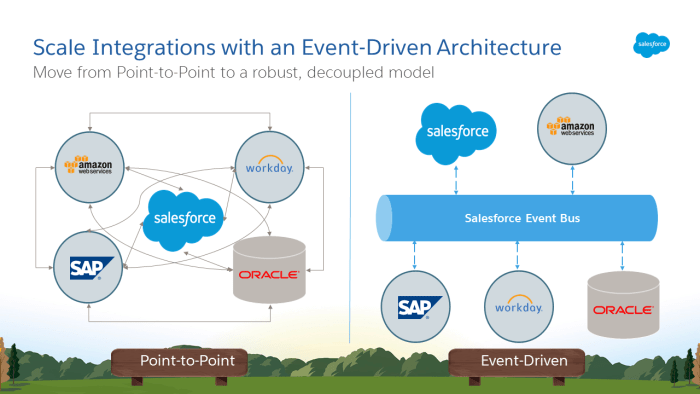
DeFi applications live and die by the speed of their data. Traditional polling architectures—where a contract or off-chain service periodically queries a blockchain for the latest price or state—introduce unnecessary latency and bloat. In high-frequency trading or liquidation engines, waiting for the next polling interval can mean the difference between a profitable execution and a failed transaction. Event-driven oracles solve this by triggering actions only when data changes, reducing gas costs and latency compared to traditional polling methods.
Instead of constantly asking "What is the price?", an event-driven oracle listens for specific blockchain events, such as a PriceUpdated log emitted by a source contract. This push-based model ensures that downstream applications receive updates the moment they occur, rather than at the mercy of a fixed timer. For protocols like automated market makers (AMMs) or lending platforms, this immediacy is critical. It allows for tighter spreads, more accurate liquidation triggers, and a generally more responsive user experience.
The cost implications are equally significant. Polling requires frequent transactions or state checks, each consuming gas. By contrast, event-driven systems process data only when necessary. This efficiency is particularly valuable on Layer 2 networks where, while cheaper, gas costs still add up across millions of interactions. Shifting from a pull-based to a push-based architecture isn't just a technical preference; it's a fundamental requirement for building scalable, real-time DeFi infrastructure in 2026.
Select a low-latency oracle network
Choosing the right oracle network for event-driven DeFi requires prioritizing finality speed and data freshness over raw coverage. In high-frequency trading or automated liquidation systems, a delay of even a few seconds can result in significant slippage or failed transactions. You need a network that pushes data via real-time event streams rather than relying on periodic polling.
When evaluating networks, look for architectures that support sub-second finality and direct WebSocket or RPC endpoints for live feeds. The best networks minimize the gap between the on-chain event and the off-chain data availability. This reduces the window where arbitrageurs can exploit stale prices.
The following comparison highlights the technical trade-offs between leading oracle solutions for latency-sensitive applications.
Pyth Network stands out for its speed, delivering price updates from institutional sources in under 400 milliseconds. This makes it a standard for Solana-based DeFi and increasingly popular on Ethereum L2s for high-frequency trading protocols. API3 offers a compelling alternative with first-party oracles, reducing counterparty risk while maintaining sub-second latency on major EVM chains.
Community discussions often highlight the importance of data source diversity. Relying on a single oracle for critical liquidation thresholds can create a single point of failure. Developers frequently recommend using a combination of Pyth for speed and Chainlink for robustness in complex multi-chain strategies.
Integrating real-time data feeds into smart contracts
Connecting a smart contract to an event-driven oracle requires shifting from polling models to push-based architectures. In DeFi, latency directly impacts capital efficiency and slippage. A standard polling interval introduces a window where price data is stale, allowing arbitrageurs to exploit the difference between the on-chain state and the real-world market.
To mitigate this, developers must implement event listeners that trigger contract execution the moment an oracle publishes a new data point. This section outlines the technical patterns for subscribing to these streams, managing interface compatibility, and optimizing gas costs during high-frequency updates.
Before listening, the smart contract must know how to decode the incoming data. Define a strict interface (e.g., IERC20Oracle or a custom IEventOracle) that specifies the expected data structure. This typically includes the asset address, the price value, and a timestamp. Using a standardized schema ensures that your contract can handle updates from multiple oracle providers without rewriting core logic. It also prevents signature mismatch errors when the oracle broadcasts signed data.
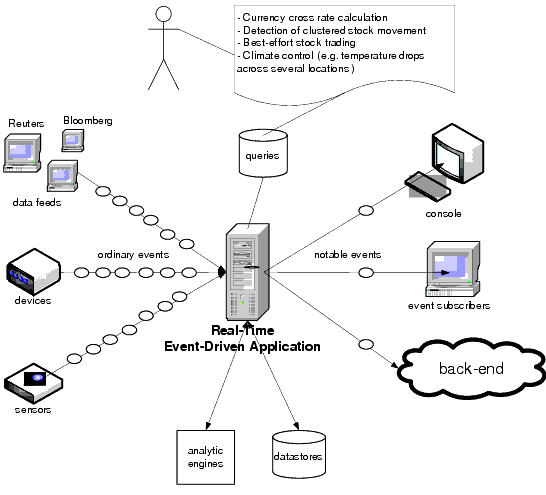
Create a dedicated listener contract that subscribes to the oracle’s event stream. In EVM-compatible chains, this often involves listening for specific Log events emitted by the oracle contract. The listener should verify the oracle’s signature against the message hash before updating any internal state. This verification step is critical to prevent malicious actors from injecting fake price updates into your application’s state.
Real-time data can trigger updates every few seconds, which is prohibitively expensive if every update writes to storage. Use a lastUpdated timestamp to implement a threshold-based update pattern. Only write to storage if the new data is significantly different from the current state or if a certain time delta has passed. For intermediate data, store values in memory variables (storage vs. memory) to avoid unnecessary SSTORE operations, which are the most gas-intensive operations in EVM.
Event streams can drop packets or experience network congestion. Implement a fallback mechanism that reverts transactions if the data is older than a predefined staleThreshold. This prevents your DeFi application from executing trades based on outdated prices. Additionally, consider integrating a secondary oracle provider as a backup source. If the primary stream fails to update within a specific block window, switch to the secondary source to maintain service availability.
The choice of oracle provider often dictates the specific implementation details. Providers like Chainlink and Pyth Network offer different data formats and update frequencies. Chainlink uses a decentralized network of nodes that aggregate data, while Pyth focuses on low-latency, high-frequency financial data. Understanding these differences helps in selecting the right oracle for your specific DeFi use case, whether it’s a lending protocol requiring stable price feeds or a derivatives platform needing sub-second updates.
Handling oracle failures and data delays
In event-driven DeFi systems, stale data is not just an inconvenience; it is a direct attack vector. When an oracle feed lags behind the underlying asset's volatility, automated liquidations can trigger incorrectly, or arbitrage opportunities can be exploited by front-running bots. Managing these risks requires a multi-layered approach that prioritizes data freshness and fault tolerance over simple uptime.
The first line of defense is implementing strict staleness checks. Your smart contracts should reject any price update that exceeds a predefined time threshold, such as 5 minutes for stablecoins or 30 seconds for volatile assets like BTC. This prevents the system from operating on outdated information during periods of low liquidity or network congestion. For example, if a Uniswap pool experiences a flash crash, a stale oracle price could allow a user to withdraw value far exceeding the pool's actual reserves, draining the protocol.
To mitigate single points of failure, use a medianizer pattern that aggregates data from multiple independent sources. If one provider suffers a network outage or is manipulated, the median price remains accurate as long as a majority of sources are functioning correctly. This approach is standard in protocols like Chainlink, where node operators report prices independently, and the contract calculates the median to filter out outliers.
When failures do occur, transparency is critical. Log the discrepancy between the expected and actual price, and alert operators immediately. This allows for rapid intervention, such as pausing trading or switching to a backup feed, before significant losses accumulate. By treating oracle failures as an expected part of the system's lifecycle rather than an anomaly, you can build more resilient DeFi applications that withstand real-world market chaos.
Test event-driven oracle integrations
Testing event-driven oracles requires more than standard unit tests. You must verify that smart contracts react correctly to price updates under varying network conditions, including latency spikes and packet loss. A failed oracle feed can cause liquidations or stalled trades, so your testing workflow must simulate real-world blockchain behavior.
Use Hardhat or Foundry to fork the mainnet state. Inject mock oracle contracts that emit events with controlled timestamps and price data. This allows you to test specific price movements without waiting for real-world data feeds.
Event-driven systems are sensitive to timing. Use tools like tc (traffic control) or network emulation libraries to introduce artificial delays between the oracle node and the blockchain node. Test how your contract handles delayed updates versus stale data.
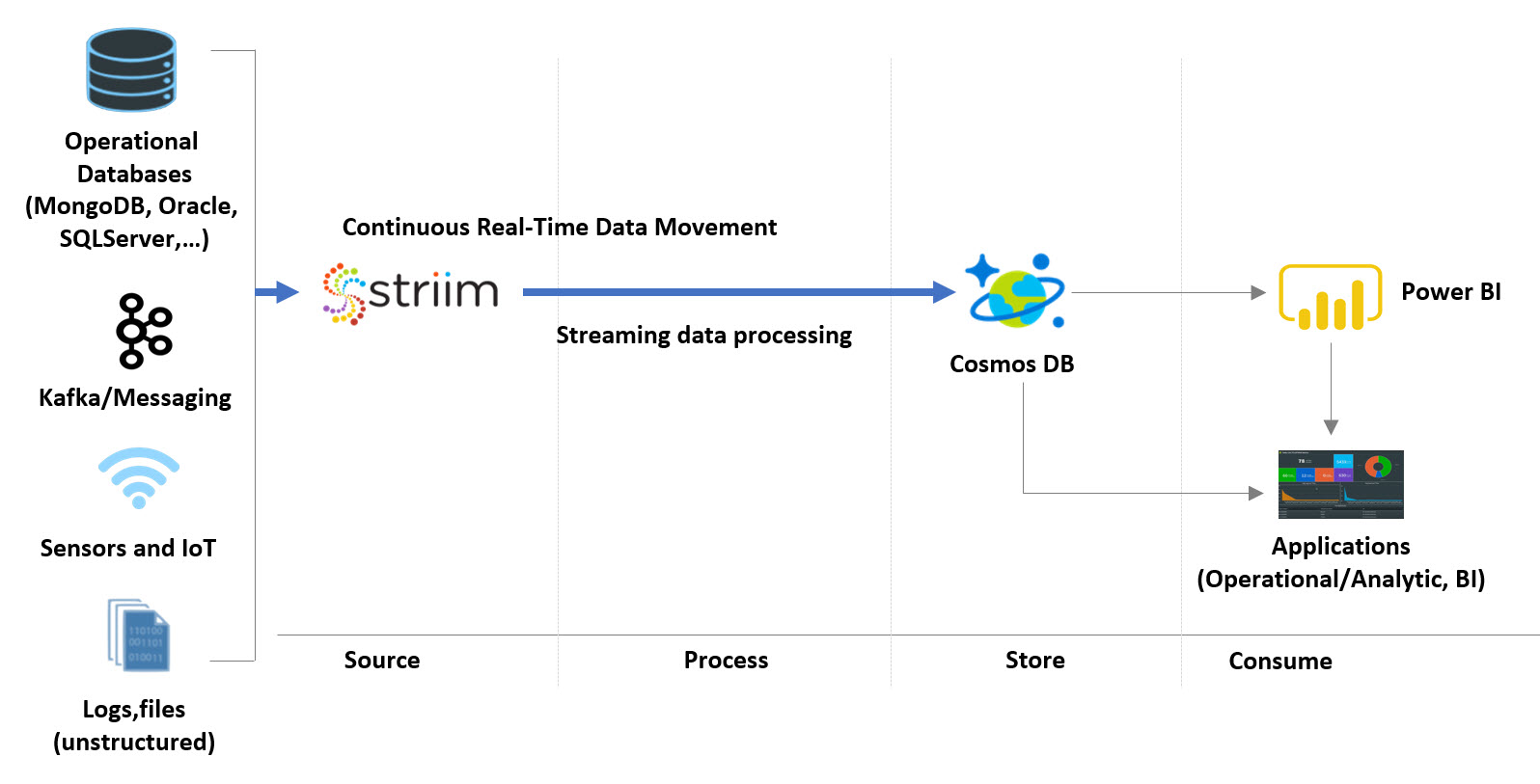
Ensure that your smart contract correctly updates internal state variables when oracle events arrive. For example, if a price feed updates, verify that the corresponding collateral ratio or debt position is recalculated immediately. Check for race conditions where multiple events arrive in quick succession.
Simulate oracle downtime or invalid data. Verify that your contract triggers fallback mechanisms, such as pausing trading or using a stale price guard. Test edge cases like zero prices, negative values, or sudden extreme volatility to ensure the system remains secure.
Run these tests across different block gas limits and transaction orderings. Event-driven oracles rely on timely data, so your tests must reflect the unpredictable nature of blockchain networks. Only after passing these scenarios should you consider mainnet deployment.
No comments yet. Be the first to share your thoughts!