Set up the event listener
The first step in building an event-driven oracle is establishing the connection between your smart contract and the blockchain's event stream. Unlike polling, which wastes resources by constantly asking for updates, an event listener waits passively for the contract to emit a specific signal. This trigger mechanism ensures your oracle only activates when actual state changes occur, such as a token transfer or a price update.
To implement this, you must subscribe to the relevant contract events using a web3 provider. This involves defining the event signature and setting up a listener that processes incoming logs. The listener acts as the oracle's sensory input, capturing the raw data needed to fulfill on-chain requests.
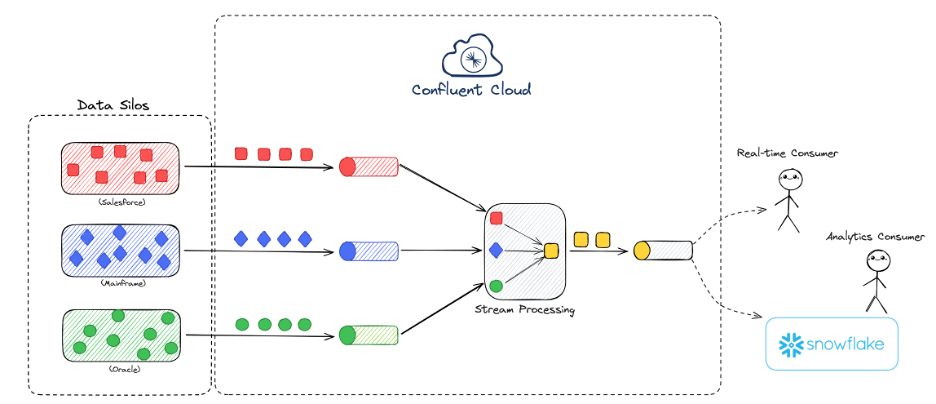
Connect your application to the blockchain node using a provider like ethers.js or web3.js. This connection serves as the bridge for receiving real-time data. Ensure your provider is configured for the specific network (e.g., Ethereum Mainnet, Polygon, or Arbitrum) where your oracle will operate.

Identify the exact event emitted by your target smart contract. You need the event name, its parameters, and their types. This signature tells the listener which logs to pay attention to. For example, if you are tracking a price feed, you might listen for a PriceUpdated(uint256 indexed price) event.
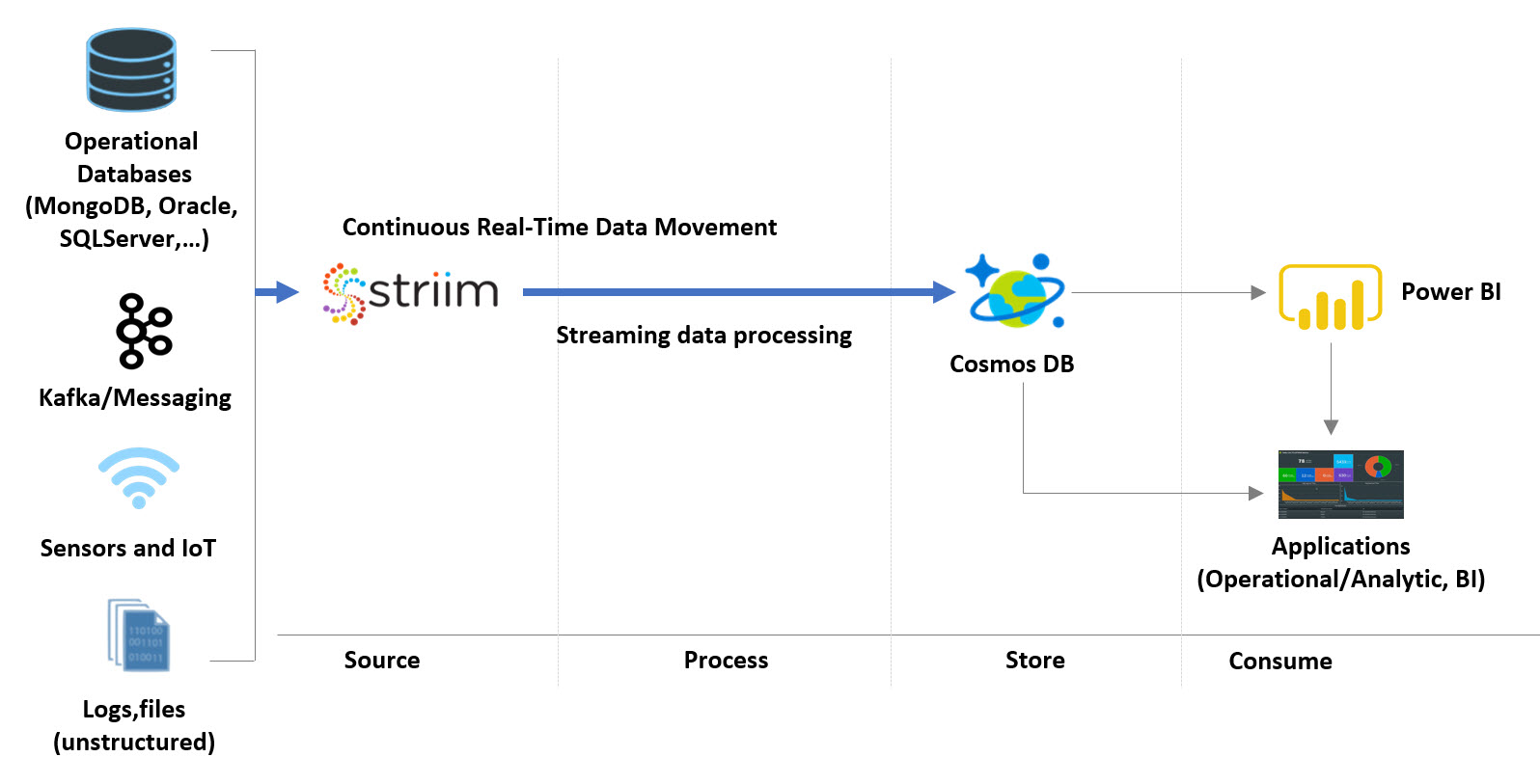
Attach a listener to the contract instance. When the event is emitted, the listener function receives the log data. Parse this data to extract the values needed for your oracle's logic. This step transforms raw blockchain noise into actionable information for your smart contract.
Configure data transformation logic
Raw blockchain events are noisy and often unusable in their native format. Smart contracts have strict gas limits and require precise data types, making direct consumption of raw logs inefficient or impossible. Your oracle must act as a filter and transformer, converting unstructured event data into clean, on-chain-ready payloads.
This process involves three distinct stages: ingestion, validation, and formatting. You must define the schema of the incoming data before writing the transformation logic. Without a rigid schema, your oracle will accept malformed data, leading to failed transactions or incorrect state updates on the blockchain.
Define the input schema
Start by identifying the specific event signatures (topics) and data fields (data) your oracle needs to track. Use a standardized format like JSON Schema or a strict TypeScript interface to define the expected structure. This prevents runtime errors when the oracle processes unexpected data variations. For example, if you are tracking price feeds, ensure your schema explicitly defines the decimal precision and source address.
Validate and sanitize data
Once the data enters your transformation layer, validate it against your schema. Reject any payloads that do not match the expected format. This step is critical for security; an oracle that accepts malformed data can be exploited to trigger false price updates or state changes. Implement basic sanity checks, such as ensuring numerical values fall within historical ranges, to catch obvious anomalies before they reach the blockchain.
Format for on-chain consumption
The final output must be encoded in a way that minimizes gas costs. This often means packing multiple values into a single uint256 or using compact byte arrays instead of verbose strings. Use Solidity-compatible encoding libraries to ensure your oracle’s output can be directly decoded by the smart contract. Avoid unnecessary whitespace or human-readable text in the final payload.
By standardizing this transformation pipeline, you ensure that your event-driven oracle delivers reliable, cost-effective data to your smart contracts. This separation of concerns allows you to update the transformation logic independently of the smart contract, reducing deployment risks and maintenance overhead.
Handle asynchronous delivery failures
Event-driven oracles are built on asynchronous communication, which introduces a specific reliability challenge: events can be lost, delayed, or duplicated during transit. Unlike synchronous API calls that return an immediate error if a connection drops, asynchronous message queues often silence failures. If your oracle misses a block hash or a price feed update due to network jitter, your smart contract may execute with stale data.
To manage this, you must implement a retry mechanism with exponential backoff. When a message delivery fails, do not retry immediately. Wait longer between each attempt to avoid overwhelming the message broker or the target service. This prevents cascading failures during outages. However, retries alone are not enough. You must also ensure that your smart contract logic is idempotent. If an event is delivered twice, the contract should recognize the duplicate and ignore it, rather than processing the same state change twice.
Implementing a dead-letter queue (DLQ) is the next critical step. When a message fails after a set number of retries, move it to a DLQ instead of dropping it. This allows you to inspect the failed message later, debug the root cause, and manually reprocess it if necessary. Without a DLQ, transient errors can lead to silent data loss, leaving your oracle blind to critical market movements.
Finally, monitor your oracle’s health with latency alerts. Track the time between event generation and smart contract execution. If latency spikes, it may indicate a bottleneck in your message queue or a network issue. Proactive monitoring allows you to intervene before missed events impact your contract’s integrity. By combining retries, idempotency, DLQs, and monitoring, you create a resilient system that handles the inherent unpredictability of asynchronous delivery.
Verify oracle data on chain
Before your smart contract executes logic based on external inputs, it must confirm the data arrived intact and matches the expected structure. This verification step prevents the contract from acting on corrupted, delayed, or malformed events.
1. Check the event signature
First, validate that the emitted event matches the expected interface. The contract should filter incoming logs by the specific event signature (topic hash) to ensure it is processing the correct data stream. This prevents confusion if multiple oracle providers or unrelated contracts emit similar data formats.
2. Validate data fields
Once the event is identified, parse the data payload. Check that all required fields are present and have the correct data types. For example, if the oracle provides a price feed, ensure the value is a valid uint256 and not zero or negative unless explicitly allowed. This step catches transmission errors early.
3. Confirm timestamp freshness
Ensure the event includes a timestamp and that it is within an acceptable window. If the data is too old, the contract should reject it to avoid acting on stale information. This is critical for real-time applications where latency directly impacts accuracy.
Deployment Checklist for Event-Driven Oracles
Before going live, verify that every architectural component in your event-driven oracle is configured and tested. This sequence ensures real-time smart contracts receive reliable data without missing events or failing silently.
1. Verify Listener Connectivity
Ensure your event listeners are actively subscribed to the correct blockchain logs or off-chain data feeds. Test that they receive events in real-time and pass them to the transformation layer without delay.
2. Confirm Data Transformation Accuracy
Check that the transformer logic correctly maps raw event data to the smart contract's expected format. Run sample events through the pipeline to verify data types, precision, and timestamp handling are accurate.
3. Test Failure Handlers
Simulate network outages or invalid data inputs to confirm your failure handlers trigger correctly. Ensure the system logs errors, retries failed events, and alerts developers when manual intervention is required.
4. Validate Gas and Cost Limits
Review the estimated gas consumption for each event processing step. Ensure your oracle contract remains within budget constraints to prevent transaction failures during high network congestion.
5. Final End-to-End Test
Execute a full simulation from event generation to smart contract state update. Verify that the final state matches the expected outcome and that no data was lost or corrupted during transmission.
No comments yet. Be the first to share your thoughts!