
Why event-driven oracles matter now
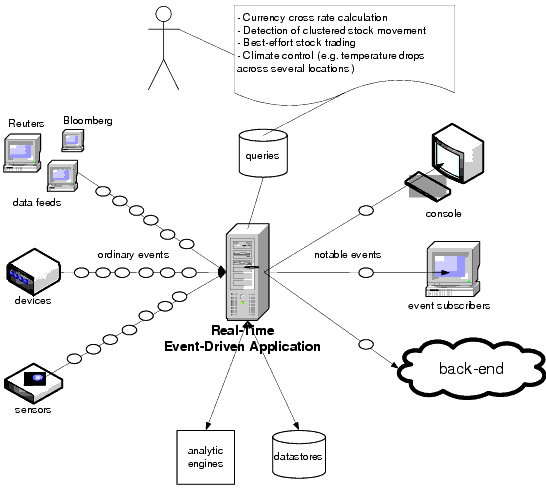
The shift from periodic polling to real-time event triggers is redefining how decentralized finance handles data. Traditional oracles fetch prices at fixed intervals, creating windows where stale data can trigger bad trades or liquidations. Event-driven oracles solve this by reacting instantly to on-chain triggers, ensuring that smart contracts only execute when verified conditions are met.
In 2026, the demand for low-latency data feeds is critical. As DeFi protocols become more complex, the cost of latency increases. A delay of even a few seconds can mean millions in slippage or arbitrage opportunities lost. Event-driven architectures provide the immediacy required for high-frequency trading and automated market makers.
This transition is not just about speed; it is about accuracy. By tying data updates to specific events rather than arbitrary time slices, protocols reduce the risk of oracle manipulation and ensure that the state of the blockchain reflects the most current reality. This reliability is the foundation for the next generation of decentralized applications.
Top Event-Driven Oracle Products
Choosing the right oracle infrastructure depends on your specific latency requirements and the complexity of your data feeds. Below are three distinct approaches to event-driven oracle integration, ranging from managed cloud services to open-source frameworks.
Chainlink Functions
Chainlink Functions provide a secure, serverless execution environment for custom smart contract logic. This approach allows developers to run arbitrary code in response to on-chain events, bridging the gap between traditional APIs and blockchain state. It is particularly useful for complex data aggregation tasks that standard price feeds cannot handle. The system relies on a decentralized network of node operators to execute the code and return the results to the smart contract.
Pyth Network
Pyth Network focuses on ultra-low latency data delivery, making it ideal for high-frequency trading applications. By pulling data directly from first-party sources like exchanges and market makers, Pyth minimizes the risk of stale or manipulated information. The network updates prices in milliseconds, ensuring that decentralized applications have access to the most current market data available. This speed is critical for derivatives and perpetual swap protocols where timing determines profitability.
API3
API3 takes a different approach by allowing data providers to run their own nodes directly on the blockchain. This "first-party oracle" model eliminates the middleman, reducing counterparty risk and increasing transparency. Because the data provider controls the node, they can ensure the integrity of the data from source to smart contract. This setup is particularly effective for organizations that want to monetize their data while maintaining full control over the distribution process.
Comparison of Oracle Solutions
| Feature | Chainlink Functions | Pyth Network | API3 |
|---|---|---|---|
| Primary Strength | Custom Logic Execution | Ultra-Low Latency | First-Party Nodes |
| Data Source Type | Aggregated / Custom | First-Party Market Data | First-Party Provider |
| Best For | Complex Calculations | High-Frequency Trading | Transparent Data Feeds |
| Latency Profile | Moderate | Millisecond | Low |


As an Amazon Associate, we may earn from qualifying purchases.
How to choose the right oracle feed
Selecting an oracle feed for a DeFi protocol is not a one-size-fits-all decision. The correct choice depends entirely on the specific mechanical requirements of your smart contracts. A lending protocol prioritizes stability and historical accuracy, while a derivatives platform demands sub-second latency and resistance to manipulation. Matching the oracle architecture to the protocol's risk profile prevents catastrophic liquidations and ensures capital efficiency.
Lending platforms like Aave or Compound can tolerate update intervals of several minutes because asset prices do not change drastically in seconds. However, perpetual futures exchanges require real-time price feeds to prevent arbitrageurs from exploiting stale data. Identify whether your smart contracts require event-driven updates (triggered by price thresholds) or time-based updates (fixed intervals). High-frequency trading strategies fail when the oracle feed lags behind market movements.
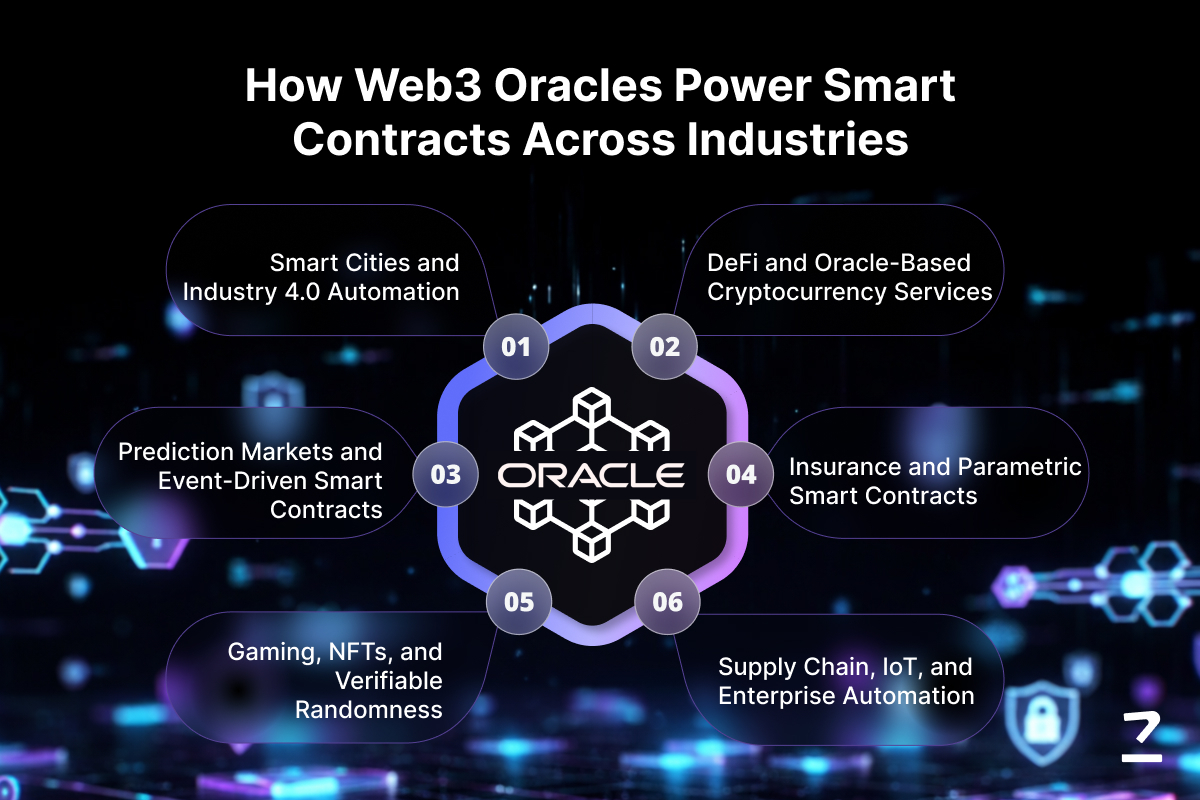
Reliance on a single data source creates a single point of failure. Leading oracle networks aggregate data from dozens of independent exchanges and data providers. Verify that the oracle uses a medianizer algorithm to filter out outlier prices caused by flash crashes or exchange errors. A decentralized network of nodes ensures that no single entity can manipulate the price feed to trigger unwanted liquidations or mint excess collateral.
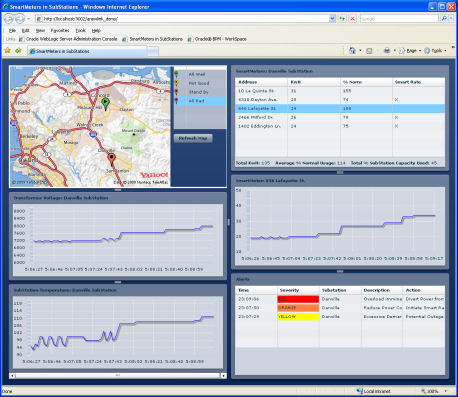
Oracles are critical infrastructure; a breach can drain entire protocol treasuries. Prioritize networks with a proven track record of security audits and bug bounty programs. Review the economic security model: does the oracle use staked tokens to incentivize honest reporting? Networks with high economic stakes deter malicious actors who might otherwise collude to feed false data. Choose an oracle with transparent governance and a history of rapid response to security incidents.
Seamless integration reduces deployment risk. Evaluate the availability of SDKs, documentation, and pre-built contracts for your specific blockchain environment. Complex integration processes increase the likelihood of smart contract vulnerabilities. Select an oracle provider that offers robust developer support, clear API endpoints, and comprehensive testing environments. This ensures your team can deploy and monitor the oracle feed without excessive overhead or custom code maintenance.
Common Integration Pitfalls to Avoid
Implementing event-driven oracles requires precision. A single misconfiguration can lead to stale data or failed transactions. The following sections highlight the most frequent errors and how to prevent them.
Ignoring Chain Reorganizations
Blockchain networks are not immutable in the short term. Reorganizations (reorgs) occur when the longest valid chain changes, invalidating recent blocks. If your oracle triggers on a block that is later reorganized, the event data becomes invalid. Always wait for a sufficient number of confirmations before processing an event. This delay ensures the chain has finalized the state you are reading.
Misconfiguring Trigger Conditions
Overly broad trigger conditions waste resources and increase gas costs. If your oracle listens to every transfer event, it will process irrelevant transactions. Define precise filters for addresses, values, or function signatures. Narrowing your scope reduces noise and ensures your oracle only reacts to meaningful state changes.
Failing to Handle Missing Events
Network congestion can cause events to be delayed or dropped. If your system assumes every event is immediately available, it may miss critical updates. Implement a fallback mechanism to poll for state changes if no event is received within a reasonable timeframe. This redundancy ensures your oracle remains reliable under varying network conditions.
Frequently asked: what to check next
How fast is an event-driven oracle response?
Event-driven oracles react to blockchain state changes rather than polling schedules. This architecture reduces latency significantly compared to traditional periodic updates. For supply chain or real-time trading applications, this near-instant feedback loop is essential for maintaining accurate state.
Are event-driven oracles secure against manipulation?
Security depends on the data source and the oracle network's consensus mechanism. Relying on a single source creates a vulnerability. Robust implementations use decentralized networks to aggregate data, ensuring that no single entity can falsify the event trigger or the resulting data payload.
What is the Oracle plan for 2026?
Oracle expects to raise $45 to $50 billion of gross cash proceeds during the 2026 calendar year. The company plans to achieve this funding objective by using a balanced combination of debt and equity financing to maintain a solid investment-grade balance sheet.
Do event-driven oracles work with all smart contracts?
Compatibility varies by blockchain network and oracle provider. Most modern oracles support Ethereum, Solana, and other major EVM-compatible chains. Always verify that your chosen oracle service supports the specific smart contract platform and token standards you are using.
How do I choose the right oracle for my project?
Evaluate the oracle's track record, data sources, and cost structure. Look for providers with transparent uptime records and clear documentation. Avoid solutions that require excessive custom coding for basic data feeds, as this increases maintenance overhead and potential points of failure.
No comments yet. Be the first to share your thoughts!