Why agents need event-driven oracles
By 2026, the autonomous agent landscape has moved past the era of periodic polling. Agents operating in volatile markets or real-time logistics networks cannot afford the lag of checking a data source every few seconds. The standard has shifted to event-driven oracles, where data triggers push information to the agent the moment it changes.
This architectural shift is not just about speed; it is about resource efficiency. Polling requires constant, redundant requests to verify if a state has changed. In contrast, event-driven oracles only transmit data when a specific condition is met. This reduces network congestion and significantly lowers gas costs for on-chain actions, allowing agents to execute complex workflows without draining their operational budgets.
The reliability of an autonomous agent depends on the immediacy of its inputs. If a price feed lags by even a few seconds, an arbitrage agent might miss the window entirely. Event-driven architectures ensure that agents react to market movements, sensor readings, or user interactions in real time, making them truly autonomous rather than just automated scripts.
"Event-driven architecture (EDA) is a software design pattern in which services communicate by producing and consuming events rather than ..." — Encore.dev
The transition to event-driven oracles marks a fundamental change in how we build intelligent systems. It moves the burden of discovery from the agent to the network, ensuring that agents are always working with the most current data available.
Polling vs. event-driven oracles 2026
The primary bottleneck for autonomous agents is not intelligence, but data freshness. Traditional oracle models rely on a request-response cycle: an agent must explicitly ask for data, wait for the oracle to fetch it, and then proceed. This polling method introduces unnecessary latency, turning real-time decisions into historical analysis.
Event-driven oracles change this dynamic by pushing data. Instead of agents chasing updates, the oracle monitors external sources and triggers a response only when a specific condition is met. For 2026 use cases, this shift reduces idle time and ensures agents act on the most current market or environmental states.
The table below breaks down the operational differences between these two models.
| Feature | Polling (Request-Response) | Event-Driven (Push) |
|---|---|---|
| Latency | High (network round-trip delay) | Low (near-instant on trigger) |
| Network Overhead | Constant (periodic requests) | On-demand (only on change) |
| Agent Readiness | Stale until queried | Fresh and active |
| Cost Efficiency | Higher (redundant queries) | Lower (targeted updates) |
In a polling model, an agent might check a price feed every ten seconds, receiving the same data nine times. An event-driven oracle waits for the price to move, then notifies the agent immediately. This efficiency is critical when agents are executing high-frequency trades or managing dynamic resources.
Architecting real-time data feeds
Integrating event-driven oracles 2026 into your autonomous agent infrastructure requires a shift from polling to streaming. Traditional request-response models introduce latency that breaks the real-time requirements of modern agents. By treating data as an unbounded stream, you enable agents to react to market shifts, chain events, and external triggers with minimal delay.
The architecture must prioritize reliability and order. Data drops or out-of-order events can cause agents to execute incorrect logic, leading to financial loss or system instability. The following steps outline the technical integration path for building a robust event-driven oracle layer.
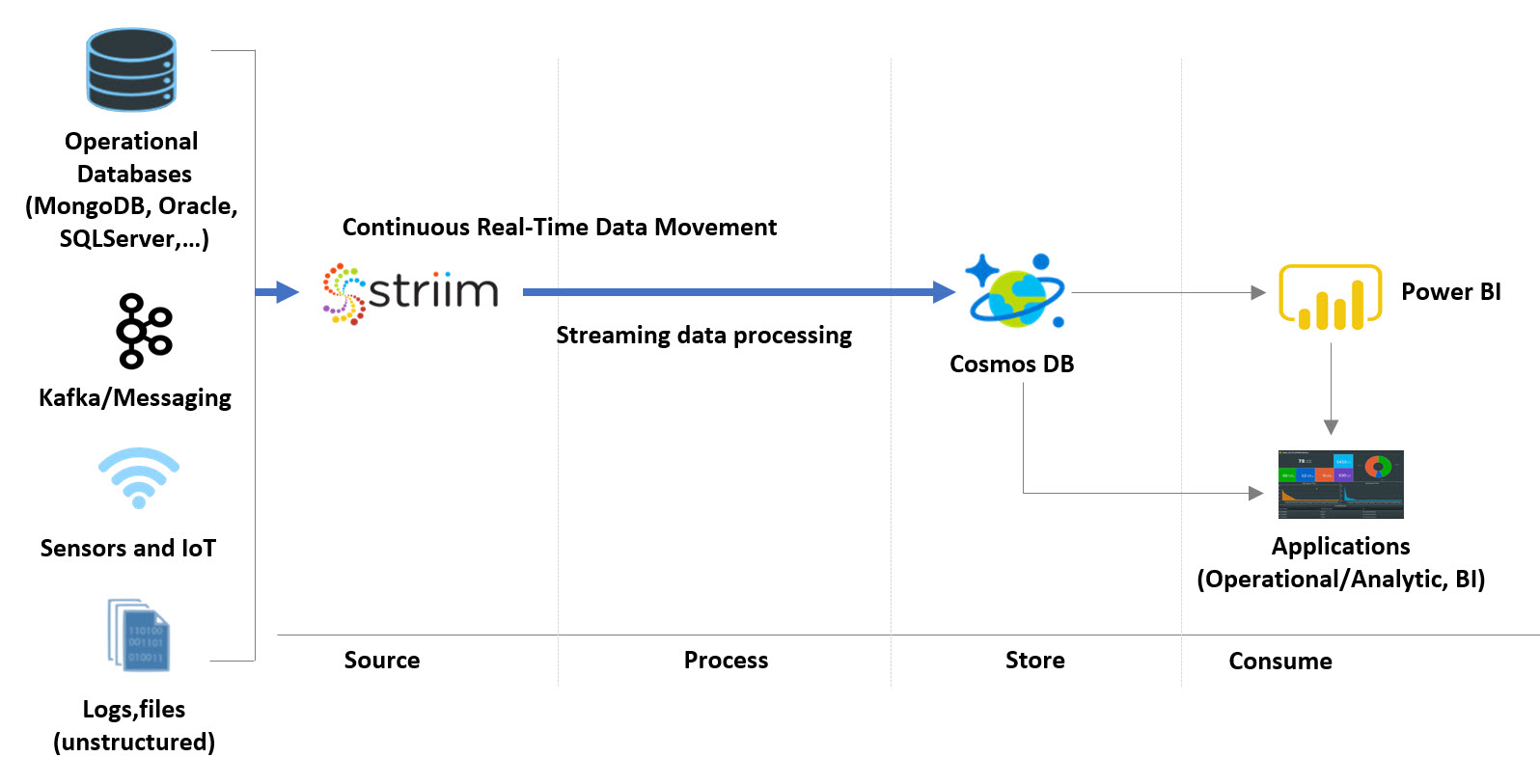
Choose a provider that supports continuous data streams rather than batch updates. Look for infrastructure that integrates directly with your blockchain’s event log or external API webhooks. The provider must guarantee data provenance and offer cryptographic proofs for each event to ensure the agent trusts the source without manual verification.
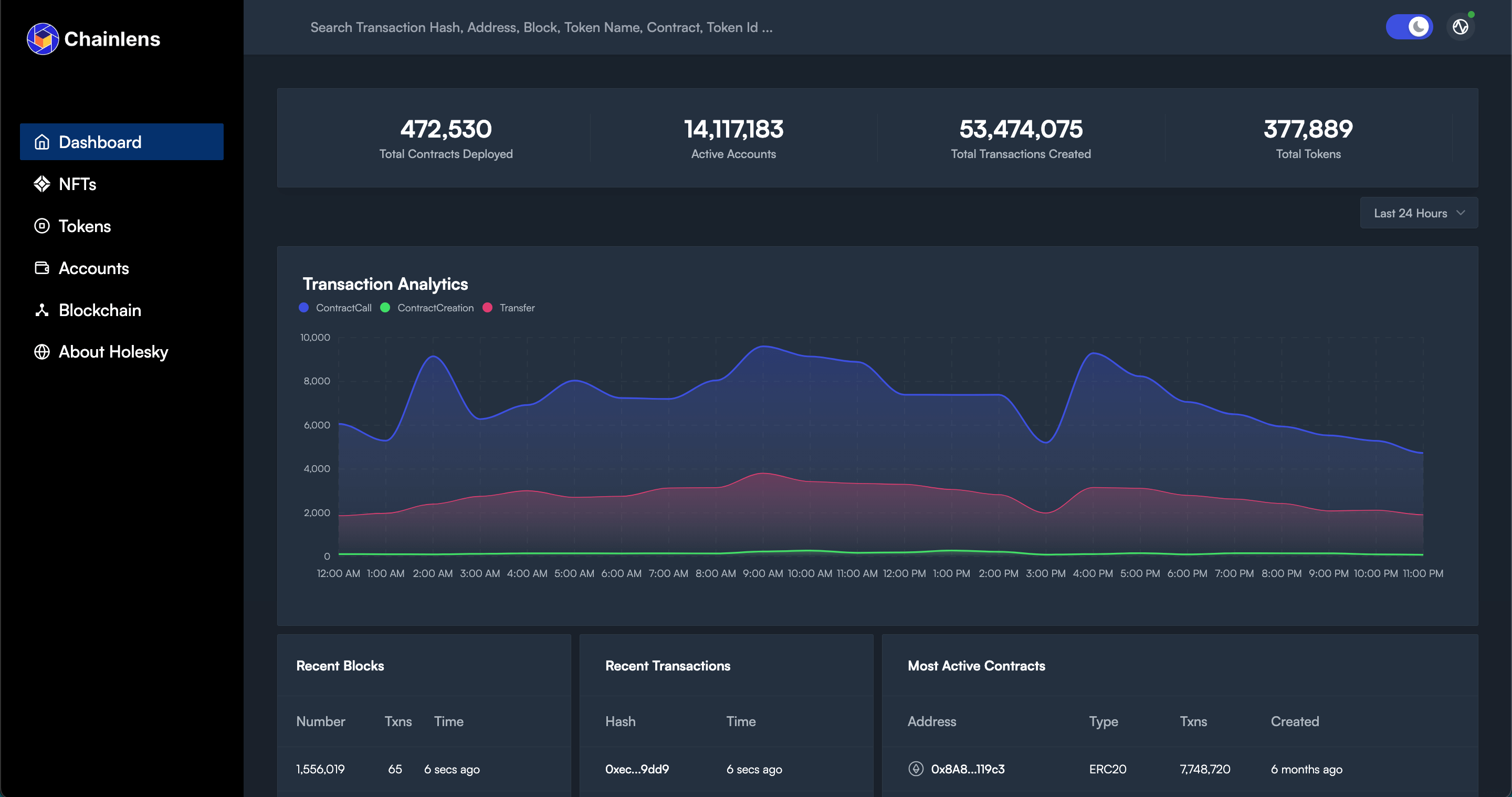
Define the specific on-chain or off-chain events that should alert your agent. Instead of ingesting all data, configure filters to isolate relevant price movements, contract state changes, or external API responses. This reduces noise and computational overhead, allowing the agent to focus only on signals that require immediate action.
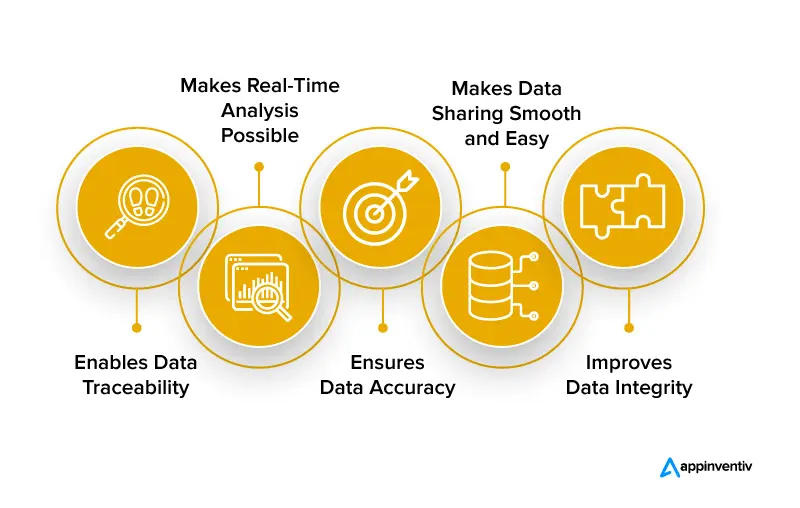
Build a lightweight listener service that subscribes to the oracle’s stream. This service should parse incoming events, validate the oracle’s signature, and translate the data into a format your agent’s decision engine understands. Use async processing to handle high-throughput events without blocking the agent’s main execution loop.
Rigorously test the end-to-end latency from event occurrence to agent execution. Simulate network partitions, oracle downtime, and high-volume spikes to ensure your system degrades gracefully. Implement circuit breakers that pause agent actions if data quality drops below a defined threshold, preventing catastrophic decisions based on stale or corrupted feeds.
By following this structured approach, you ensure that your autonomous agents operate on the freshest possible data. This reliability is the foundation of trust in any event-driven system, allowing agents to act with confidence in volatile environments.
What developers are saying about event-driven oracles 2026
The shift toward event-driven oracles 2026 is no longer theoretical. It is happening now, driven by the need for autonomous agents to react to market data in real time. Community discussions highlight that the latency gap between traditional polling and event-driven triggers is closing, but the integration complexity remains a hurdle for many teams.
Developers are actively sharing their experiences with these new architectures. The consensus is clear: while the performance gains are significant, the initial setup requires a deeper understanding of event streams and state management than previous oracle models demanded.
"The earliest alpha you can get is when you stop waiting for data and start listening for it. This is the infrastructure the entire space will be talking about all of 2026."
This sentiment reflects a broader industry pivot. As autonomous agents become more prevalent, the ability to process events instantly is becoming a competitive advantage rather than just a technical feature.
Common integration mistakes to avoid
Building reliable event-driven oracles 2026 requires more than just connecting data feeds. The most frequent failures stem from poor event handling and inadequate error management. When autonomous agents rely on real-time data, a single missed event can break the entire workflow.
Missing or Ignored Events
Many teams fail to account for out-of-order events or network latency. If an oracle drops a price update because the consumer was busy, the agent acts on stale data. Always implement idempotent consumers that can handle duplicate or delayed events without corrupting state.
Poor Error Handling
Silent failures are the biggest risk. If an oracle cannot fetch data, it should fail loudly or revert to a safe default, not continue with empty values. Implement circuit breakers and health checks to detect feed failures early. This ensures your autonomous agents don't make decisions based on corrupted or missing information.
Checklist for Integration
Before deploying, verify these critical points:
-
Confirm event ordering and deduplication logic.
-
Implement circuit breakers for data feed failures.
-
Test with simulated network latency and packet loss.
-
Validate idempotent consumer behavior.
-
Set up alerting for missed or delayed events.
No comments yet. Be the first to share your thoughts!