Why real-time verification matters now
The compliance landscape has shifted from retrospective auditing to continuous monitoring. In 2026, regulatory bodies in the European Union and the United States increasingly require data integrity checks at the point of transaction rather than after the fact. Batch-processing systems, which aggregate and verify data in periodic cycles, are no longer sufficient for meeting these real-time obligations. The delay inherent in batch updates creates a window of vulnerability where non-compliant data can propagate through financial, healthcare, and supply chain networks before detection.
Event-driven oracles address this latency by triggering verification immediately when a data event occurs. Instead of waiting for a nightly or weekly batch job, an event-driven architecture monitors the data stream continuously. If a transaction deviates from established compliance rules, the oracle flags or blocks the action instantly. This immediate feedback loop is critical for high-stakes environments where the cost of non-compliance includes significant fines, reputational damage, and operational disruptions.
The contrast between batch and real-time verification is stark in the context of recent regulatory updates. For instance, the European Securities and Markets Authority (ESMA) has emphasized the need for real-time monitoring of market abuse indicators. Similarly, the US Consumer Financial Protection Bureau (CFPB) has tightened requirements for real-time fraud detection in digital payments. Organizations relying on legacy batch systems struggle to meet these demands, often resulting in delayed reporting and reactive rather than proactive compliance measures.
Adopting event-driven oracles is not merely a technological upgrade; it is a strategic necessity for regulatory resilience. By integrating real-time verification into the data pipeline, organizations can ensure that compliance is embedded in every transaction, reducing risk and enhancing trust with regulators and customers alike.
How event-driven oracles work
Event-driven oracles function as the primary bridge between off-chain data events and on-chain smart contract execution. Unlike traditional polling mechanisms that query databases at fixed intervals, event-driven architectures rely on real-time notifications. This distinction is critical for regulated data environments where latency can create compliance gaps or expose institutions to operational risk. The mechanism ensures that state changes on the blockchain occur only when specific, verifiable external conditions are met.
The process begins with an external data provider monitoring a regulated data source, such as a financial transaction ledger or a government registry. When a qualifying event occurs—such as a large-value transfer exceeding a regulatory threshold—the provider generates a signed cryptographic proof. This proof, often utilizing Zero-Knowledge Proofs (ZKPs) to preserve privacy while verifying compliance, is submitted to the oracle network. The oracle validates the signature against its known public keys to confirm the data’s authenticity before forwarding it to the blockchain.
Once validated, the oracle triggers the smart contract. This execution is immediate and deterministic, updating the on-chain state without human intervention. For legal and regulatory frameworks, this immediacy reduces the window for arbitrage or data manipulation. The smart contract then executes predefined compliance logic, such as freezing assets or flagging transactions for audit, based on the verified event data. This automated enforcement aligns with the principles of "compliance by design," where regulatory rules are embedded directly into the codebase.
To visualize this sequence, consider the following operational workflow:

A regulated entity or external monitor detects a specific data event, such as a KYC status change or a transaction flag. This event is the trigger for the entire oracle process.
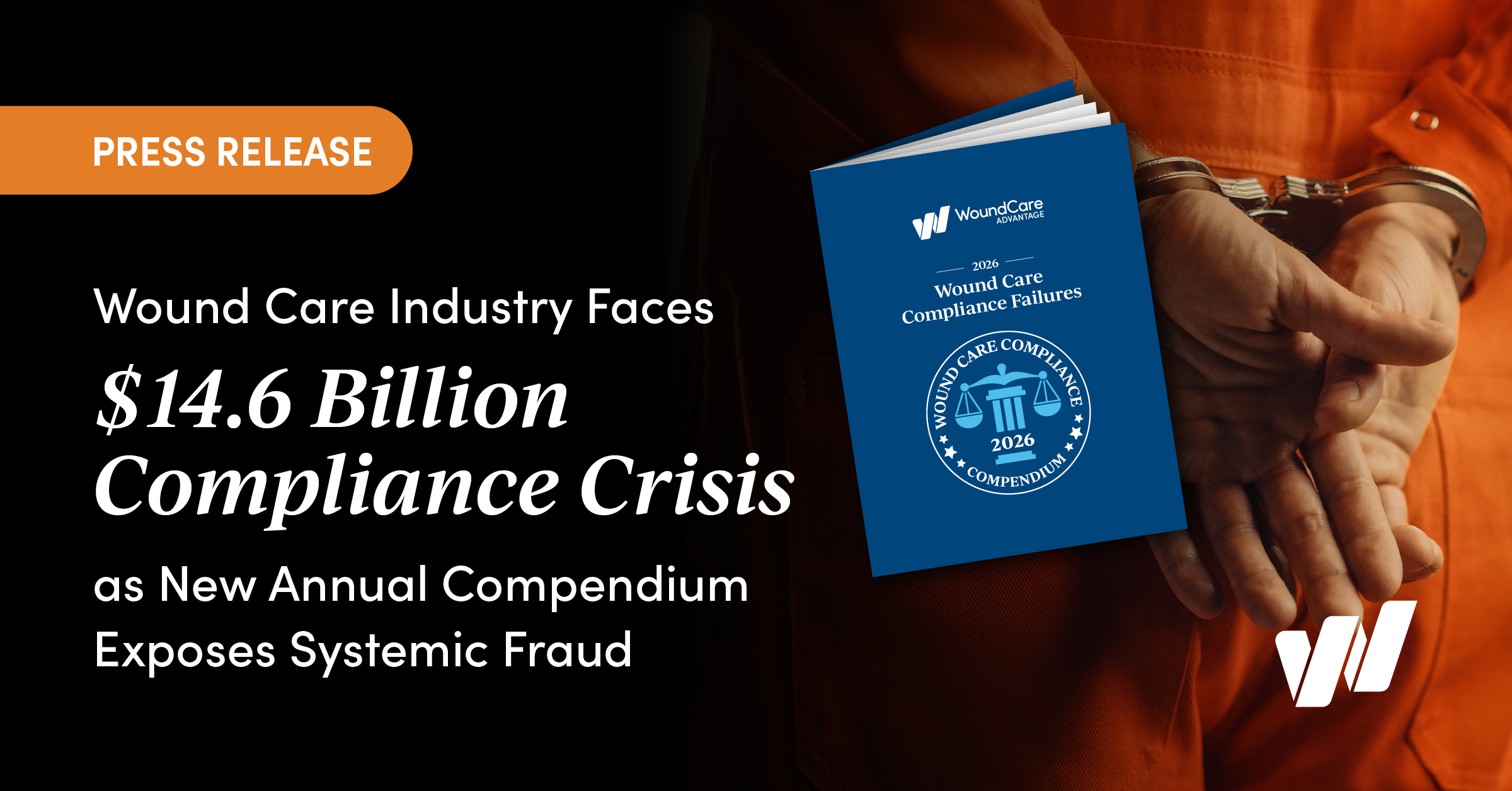
The oracle network receives the event data along with a cryptographic signature. Validators verify the signature to ensure the data originated from an approved source and has not been tampered with.
Upon successful validation, the oracle submits the data to the smart contract. The contract immediately executes the embedded compliance logic, updating the blockchain state in real-time.
This architecture minimizes the risk of stale data influencing legal or financial outcomes. By relying on immediate, verified events, institutions can maintain stricter adherence to regulatory timelines. The transparency of the on-chain record also provides an auditable trail for regulators, facilitating easier post-event analysis and compliance reporting.
Smart Contract Risk Management
Event-driven oracles mitigate smart contract risk by enforcing data freshness and preventing stale-state exploits. In regulated environments, relying on cached or outdated data is not merely a technical oversight; it is a compliance failure that exposes institutions to regulatory penalties. This section outlines how real-time oracle feeds ensure that on-chain logic reflects current legal and market states, thereby reducing the attack surface for exploits that target data latency.
Comparison of Oracle Data Delivery Models
The following table compares traditional batch oracles against event-driven real-time oracles, highlighting the differences in latency, data integrity, and compliance readiness. Event-driven models push data immediately upon occurrence, whereas batch models aggregate data over fixed intervals, creating windows of vulnerability.
Pre-Deployment Verification Checklist
Before deploying smart contracts that rely on event-driven oracles, legal and technical teams must verify that data sources meet jurisdictional requirements. The following checklist ensures that oracle feeds are robust, auditable, and compliant with real-time reporting standards.
Event-driven oracles transform smart contracts from static, state-dependent entities into dynamic, real-time compliant instruments. By ensuring that data is current and verified at the moment of transaction, institutions can maintain regulatory adherence while leveraging the efficiency of blockchain technology.
Blockchain compliance automation
Event-driven oracles bridge the gap between static on-chain data and dynamic regulatory requirements by automating compliance reporting in real time. This architecture allows regulated entities to maintain continuous adherence to standards such as Know Your Customer (KYC) and Anti-Money Laundering (AML) protocols without manual intervention. By triggering smart contract logic upon specific blockchain events, organizations can instantly validate transaction integrity against current legal frameworks.
Real-time KYC and AML verification
Traditional compliance checks often occur after a transaction is settled, creating latency and exposure to regulatory penalties. Event-driven oracles address this by providing real-time identity verification services directly to the blockchain layer. When a user interacts with a decentralized finance (DeFi) protocol, the oracle fetches the latest verified status from trusted off-chain sources. This ensures that only compliant participants can execute transactions, effectively embedding regulatory gates into the protocol’s core logic. The system updates automatically as regulatory bodies amend their lists, ensuring that the on-chain identity registry remains current.
Automated financial reporting
Financial institutions and crypto-asset service providers face stringent reporting obligations under frameworks like MiCA in the European Union and various SEC guidelines in the United States. Event-driven oracles streamline this process by continuously aggregating transaction data and mapping it to required reporting formats. Instead of waiting for end-of-day or end-of-month batches, these systems generate audit-ready reports as events occur. This real-time visibility reduces the risk of non-compliance and simplifies the audit trail for regulatory exams. The automation ensures that financial data remains accurate, timestamped, and immutable, providing a reliable foundation for regulatory oversight.
On-chain oracle latency metrics
Compliance regimes such as the EU’s MiCA (2024) and the US FinCEN’s 2025 travel rule updates require near-instantaneous reporting of suspicious activity. Traditional pull-based oracles, which fetch data on a fixed schedule, introduce latency gaps that can span hours or days. In a 2026 regulatory environment, this lag is no longer a technical inconvenience but a material compliance risk.
Event-driven oracles resolve this by triggering data updates only when specific on-chain conditions are met. This shift from scheduled polling to reactive execution reduces average latency for critical compliance events from 24 hours to sub-second delivery.
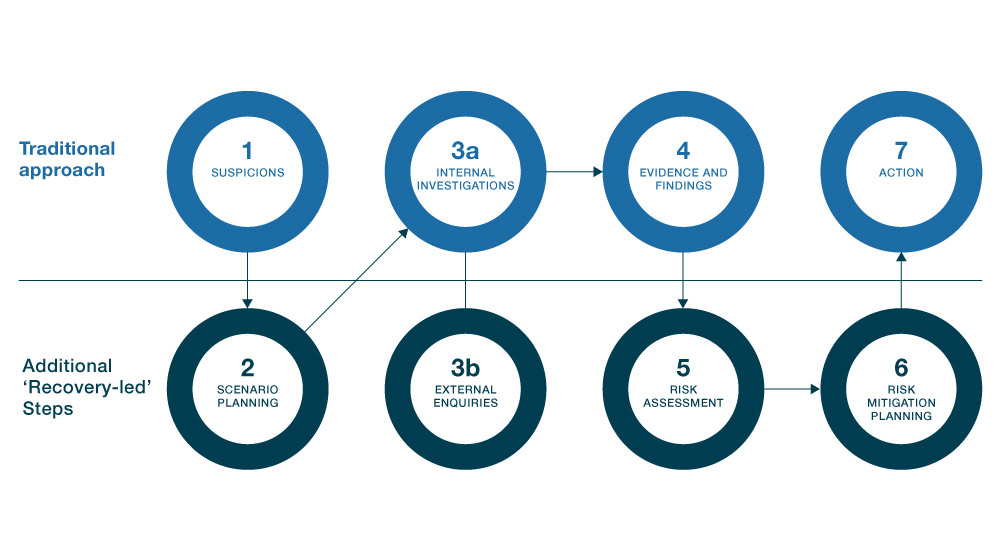
This reduction ensures that auditors and regulators receive real-time visibility into transaction flows. For institutions operating under strict jurisdictional mandates, this immediacy is the difference between compliant reporting and regulatory penalties. The following image illustrates the broader context of this technological shift in compliance infrastructure.

No comments yet. Be the first to share your thoughts!