
The Constraint of Event-Driven Oracles
Event-driven oracles solve a specific problem: smart contracts are isolated. They cannot initiate requests or poll for data on their own. They wait. An event-driven oracle changes this by acting as a listener that pushes data into the contract only when a real-world condition is met. This shifts the model from "ask and wait" to "notify when ready."
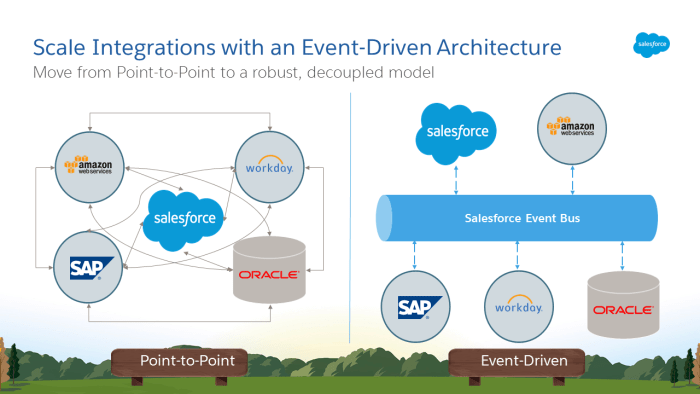
In an event-driven architecture, an external service monitors a data source—like an IoT sensor or a weather API. When the source updates, the service emits an event. The oracle catches this event and executes the transaction on the blockchain. This is fundamentally different from orchestration, which manages the flow of tasks in a predefined sequence. Orchestration is like a conductor leading an orchestra; event-driven is like a musician playing their part when the cue comes.
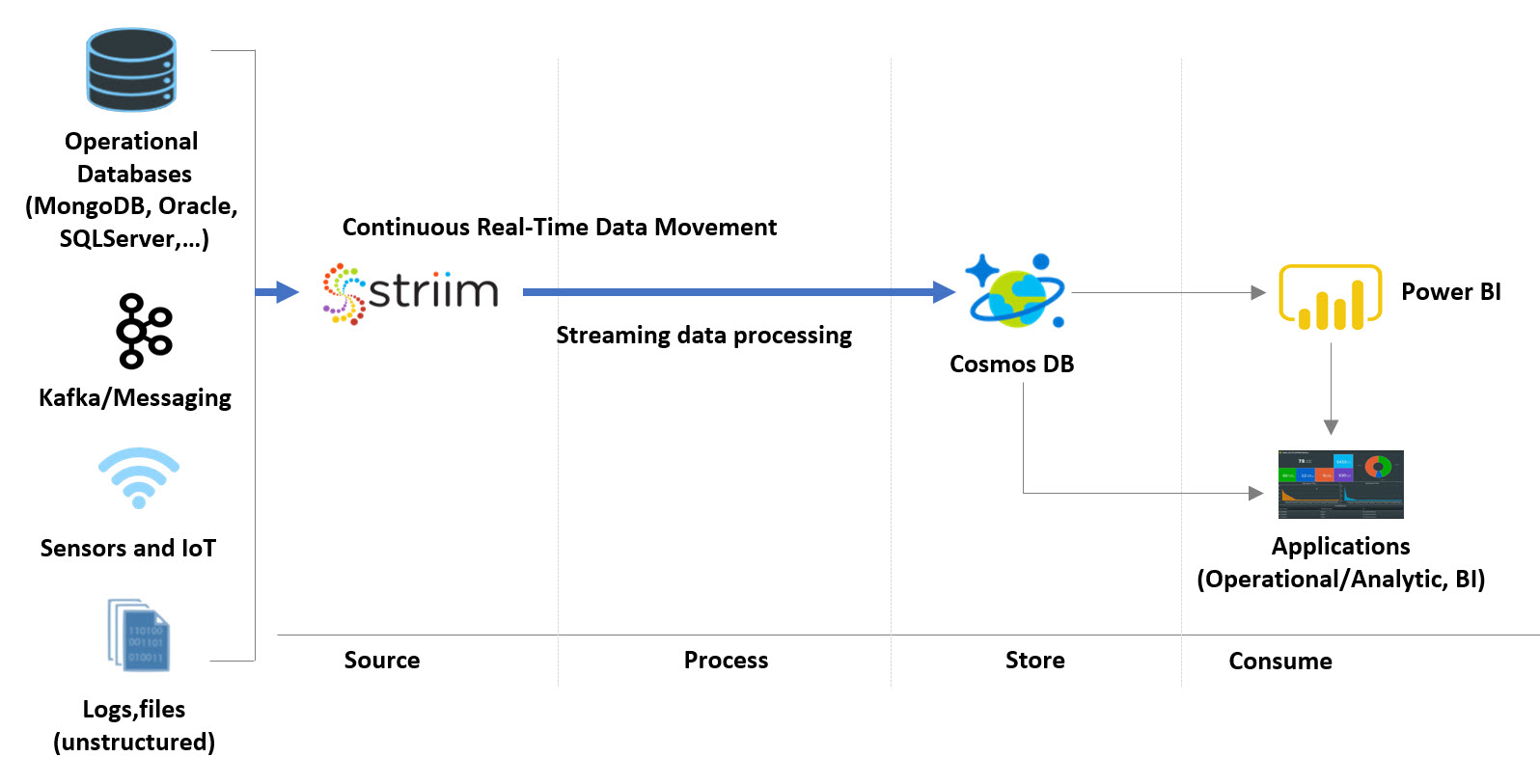
This approach is vital for real-time IoT integration. Imagine a cold-chain logistics contract that pays out only if temperature thresholds are breached. A polling oracle would check every minute, wasting gas and latency. An event-driven oracle waits for the sensor to report a spike, then triggers the payout instantly. The constraint here is trust: the oracle must verify the event source is legitimate before broadcasting it to the contract.
The tradeoff is complexity. You need a reliable event bus and secure verification mechanisms. If the event stream is noisy or delayed, the contract may miss critical updates. However, for use cases requiring immediacy, such as flash loan arbitrage or dynamic insurance claims, the event-driven model is often the only viable path.
Event-driven oracle choices that change the plan
Choosing an oracle architecture means balancing latency against complexity. Event-driven oracles react to specific state changes, such as a price feed update or an IoT sensor trigger, rather than polling on a fixed schedule. This approach reduces unnecessary network calls but requires careful handling of event ordering and loss.
When evaluating tradeoffs, consider how your smart contract handles missing data. If an event is dropped or arrives out of order, does the contract revert, or does it wait? The cost of gas for complex validation logic often outweighs the savings from reduced polling, especially on high-throughput networks.
| Factor | Event-Driven | Polling-Based |
|---|---|---|
| Latency | Near-instant on trigger | Fixed interval delay |
| Gas Cost | Higher per execution (validation) | Lower per execution (simple check) |
| Data Freshness | Tied to external state change | Tied to block time |
| Complexity | Requires event listener logic | Simple cron or block-based |
| Reliability | Vulnerable to missed events | Consistent, predictable timing |
The table above highlights the core tension: freshness versus predictability. Event-driven systems offer superior responsiveness but introduce fragility if the event stream is imperfect. Polling systems are robust and easier to reason about but may miss critical short-lived market movements or sensor spikes.
- Event-driven oracles reduce latency by reacting to specific state changes rather than fixed schedules.
- They incur higher gas costs per execution due to complex validation logic.
- Polling offers predictable timing and robustness but may miss rapid, short-lived data events.
- Choose event-driven models when real-time responsiveness outweighs the cost of added complexity.
Build a decision framework for event-driven oracles
Choosing between event-driven oracles and traditional orchestration depends on your latency requirements and system complexity. Orchestration centralizes control, ensuring tasks happen in order, while event-driven communication allows for real-time, asynchronous updates. For smart contracts ingesting IoT data, the event-driven model reduces bottlenecks by letting services react independently to state changes.
To evaluate which architecture fits your specific use case, follow this decision sequence.
Common Mistakes and Weak Options
Many teams treat event-driven oracles as plug-and-play solutions, but this approach often introduces latency or fails during peak load. The primary error is assuming that real-time IoT data automatically translates to smart contract readiness without a validation layer. If your oracle relies on a single data source, a network glitch or sensor failure can trigger incorrect contract states. Always use multiple sources to cross-verify critical metrics before execution.
Another frequent mistake is confusing event-driven architecture with orchestration. As noted in industry comparisons, orchestration handles the overall flow to ensure tasks happen in order, while event-driven communication allows for asynchronous, real-time updates. Mixing these models without clear boundaries leads to tangled dependencies. For example, Oracle Integration (OIC) emits structured events for resource changes, which should drive specific contract triggers rather than managing the entire workflow. Keep the event layer focused on data ingestion and let the smart contract handle the business logic.
To avoid weak options, audit your oracle’s fallback mechanisms. If the primary IoT feed goes offline, does the contract pause, revert, or use stale data? Stale data is a critical vulnerability. Ensure your system has a defined timeout and a secondary verification step. This distinction between simple event listening and robust orchestration is vital for maintaining integrity in automated environments.
Event-driven oracles: what to check next
Understanding the mechanics of event-driven oracles helps you decide whether they fit your smart contract architecture. Below are answers to common questions about how these systems handle real-time IoT data and interact with other integration patterns.
No comments yet. Be the first to share your thoughts!