What are event-driven oracles?
Event-driven oracles are data bridges that deliver information to AI agents only when specific, pre-defined conditions occur. Unlike traditional oracles that rely on polling—where the agent constantly asks, "Is there new data?"—event-driven systems push updates the moment a change happens. This shift from passive checking to active notification is critical for real-time AI applications where latency determines utility.
The polling problem
Traditional polling oracles require AI agents to initiate requests at fixed intervals. This approach introduces unnecessary latency and computational waste. An agent might wait seconds or minutes for data that changed hours ago, or it might waste resources querying a database that hasn't updated since the last check. For high-frequency trading, live monitoring, or reactive automation, this delay is often unacceptable.
How event-driven oracles work
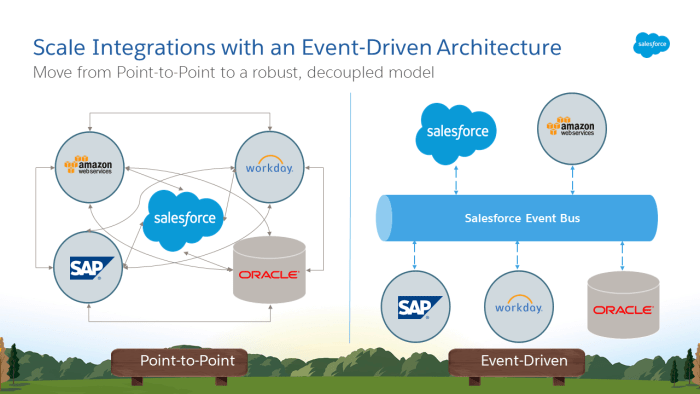
Event-driven oracles operate on a producer-consumer model. External systems (producers) emit events—structured messages indicating a state change—into a channel. The oracle monitors these channels and triggers the AI agent (consumer) only when relevant data arrives. This decoupling ensures that agents receive immediate, cryptographically verified updates without maintaining constant, expensive connections to data sources.
Why AI agents need them
Real-time AI agents require immediate context to make accurate decisions. Whether it's detecting a sudden market shift, monitoring environmental sensors, or responding to user triggers, the ability to react instantly is a competitive advantage. Event-driven oracles provide the low-latency infrastructure necessary for these agents to function effectively in dynamic environments.
Designing the event pipeline
Building an event-driven oracle requires you to separate data generation from data consumption. This decoupling allows your AI agents to process information without blocking the systems that create it. You need a pipeline that moves data from off-chain sources to on-chain state with minimal latency.
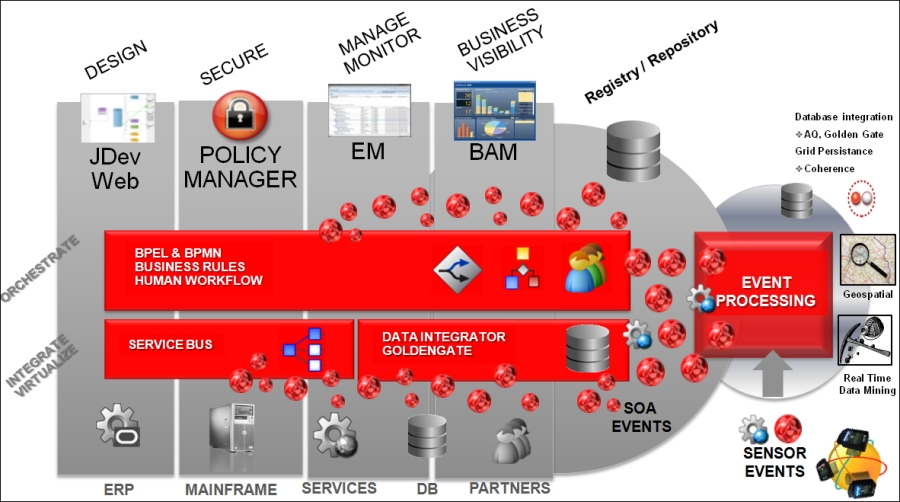
Start by identifying the external systems your AI agent needs to monitor. These could be blockchain nodes, IoT sensors, or API endpoints. Configure these systems to emit structured messages whenever a relevant state change occurs. Do not rely on polling; use native event hooks to ensure real-time delivery.
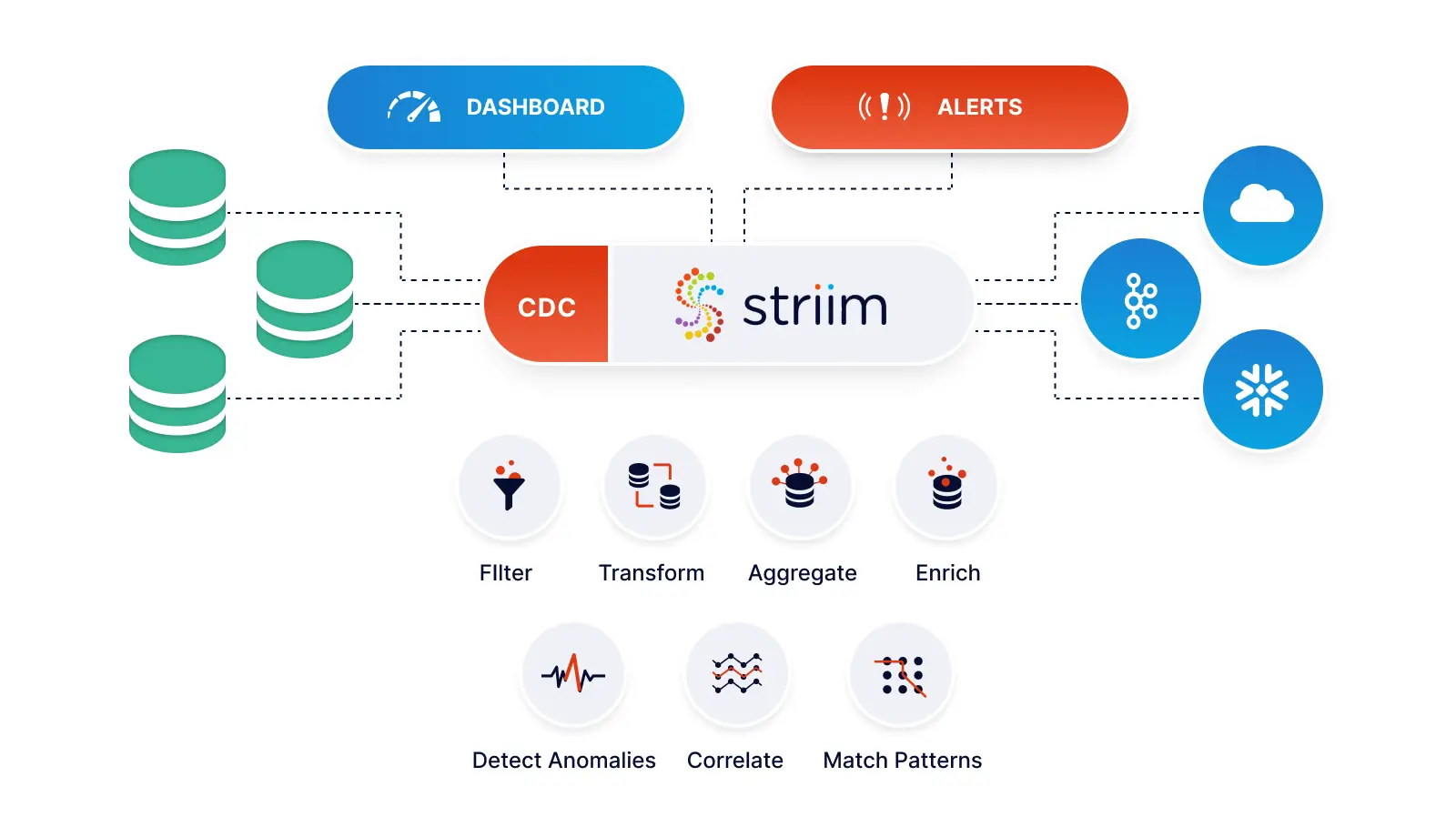
Raw events are often noisy or malformed. Insert a stream processing layer, such as Kafka or AWS Kinesis, to buffer these messages. This layer validates the schema and filters out irrelevant data. It acts as a shock absorber, preventing your oracle from being overwhelmed by high-volume bursts.
Your AI agent needs specific data points, not raw logs. Use a transformation engine to map the incoming events to a standardized format. This step might involve aggregating multiple events into a single signal or enriching data with additional context. Ensure the output is deterministic so the oracle can verify the result.
The final step is broadcasting the verified data to the blockchain. Wrap the transformed payload in a smart contract transaction that updates the oracle's state. This contract should include proof of the data source and the transformation logic. Once confirmed, your AI agent can read the new state and trigger its next action.
This architecture ensures your event-driven oracles remain responsive and reliable. By following these steps, you create a robust bridge between off-chain reality and on-chain logic.
Handling latency and reliability in event-driven oracles
Real-time AI agents operate on a tight feedback loop. If your event-driven oracle introduces latency or delivers data out of order, the agent’s decision-making process breaks down. You are not just moving data; you are ensuring that the signal arriving at the agent is both timely and truthful. Network congestion and message duplication are the primary enemies of reliability in this architecture.
Managing network congestion and throughput
Event-driven oracles often face bursts of traffic when multiple data sources trigger simultaneously. If your message queue is not sized for these peaks, messages will drop or stall. Use a durable message broker that supports backpressure. This allows the oracle to acknowledge receipt of a message without immediately processing it, preventing the system from being overwhelmed.
Configure your consumers to process messages in parallel where possible. However, be careful with ordering. If the AI agent requires a strict sequence of events (e.g., price updates for the same asset), parallel processing can lead to race conditions. In those cases, partition your topics by key to ensure that messages for a single entity are processed in order, while still allowing throughput for unrelated entities.
Ensuring message ordering and integrity
In an event-driven system, "at-least-once" delivery is common, meaning messages may be duplicated. Your oracle must be idempotent. Design your event handlers so that processing the same event twice produces the same result as processing it once. This is critical for AI agents that might use event data to update state or trigger trades.
Use sequence numbers or timestamps embedded in the event payload to detect duplicates. Before passing data to the AI agent, verify that the event is new. If it is a duplicate, discard it silently. This prevents the agent from reacting to stale or redundant information, which can lead to incorrect conclusions or repeated actions.
Validating data before it reaches the AI agent
Garbage in, garbage out. An event-driven oracle must validate data integrity before it is consumed by the AI agent. This includes checking for schema compliance, range validation, and source verification. If a data source sends malformed data, the oracle should reject it and log an error, rather than passing it through.
Implement a dead-letter queue for invalid events. This allows you to inspect and debug problematic data without blocking the main processing pipeline. By filtering out bad data at the oracle layer, you protect the AI agent from making decisions based on corrupted or incomplete information. This validation step is the final gatekeeper for reliability.
How AI agents consume oracle feeds
AI agents operate best when they react to data rather than waiting for it. By connecting directly to event-driven oracles, you remove the need for manual polling or human oversight. The agent listens for specific on-chain triggers—such as a price threshold being crossed or a new data record verified by the oracle—and executes code immediately.
This setup creates a tight feedback loop. The oracle acts as the nervous system, translating real-world events into cryptographically verified signals. The agent serves as the muscle, interpreting these signals and updating state or executing transactions without delay. This decoupling allows your system to scale horizontally; as event volume increases, you can add more agent instances to process the stream.
To implement this, define clear event schemas that both the oracle and the agent understand. Use lightweight protocols like WebSocket or serverless function triggers to push data to the agent. Ensure the agent validates the oracle’s signature before acting, maintaining security while preserving the speed required for real-time operations.
Common implementation mistakes in event-driven oracles
Building a reliable event-driven oracle requires more than just wiring up a data feed. Developers often overlook the messy reality of distributed systems, leading to agents that hallucinate or stall. The following pitfalls are the most frequent causes of failure in production environments.
Ignoring event deduplication
Network retries and transient failures mean your oracle will likely receive the same event twice. If you process every message as unique, your agent might execute the same trade or update the same record multiple times. Implement an idempotency layer that tracks processed event IDs. This ensures that even if the network duplicates a message, the agent’s state remains consistent.
Poor error handling and dead letter queues
When an oracle fails to fetch data or parse a response, it should not crash the entire pipeline. Without robust error handling, a single bad data point can halt real-time AI operations. Always route failed messages to a dead letter queue for manual inspection or retry logic. This prevents data loss and allows you to debug issues without interrupting live services.
Over-reliance on single data sources
Relying on one provider or one API endpoint creates a single point of failure. If that source goes down or throttles your requests, your oracle goes blind. Design your oracle to aggregate data from multiple sources. If one feed fails, the system should fall back to a secondary source or use cached data, ensuring continuous operation for your AI agents.
No comments yet. Be the first to share your thoughts!