What event-driven oracles actually do
Traditional oracle models typically rely on polling. In a polling setup, a smart contract or an off-chain agent must periodically check an external data source to see if the price of an asset has changed. This approach is inherently inefficient. It creates unnecessary network traffic and introduces latency, as the contract only sees data at the moment of the check. If a price moves sharply between polling intervals, the contract remains blind to that change until the next cycle.
Event-driven oracles solve this by shifting the paradigm from active checking to passive listening. Instead of the blockchain asking for data, the oracle system waits for a specific event to occur in the external world. When that event happens—such as a trade execution on a centralized exchange or a temperature threshold being crossed—the oracle receives a signal. It then immediately packages this data and pushes it to the smart contract.
This mechanism ensures that the blockchain state updates only when necessary. The "event" acts as a trigger, meaning the oracle reacts to real-time changes rather than guessing when data might be stale. For developers building applications that require high-frequency data, such as decentralized derivatives or automated liquidations, this immediacy is the defining advantage of event-driven oracles.
How event-driven oracles process data
Event-driven oracles bridge the gap between off-chain reality and on-chain logic by reacting to external triggers rather than waiting for scheduled intervals. This architecture prioritizes low latency and immediate state changes. When an external condition shifts, the oracle detects the change, verifies its validity, and pushes the update to the smart contract.
The workflow follows a strict linear path from event generation to execution. Each step must complete before the next begins to ensure data integrity and prevent race conditions or stale updates.
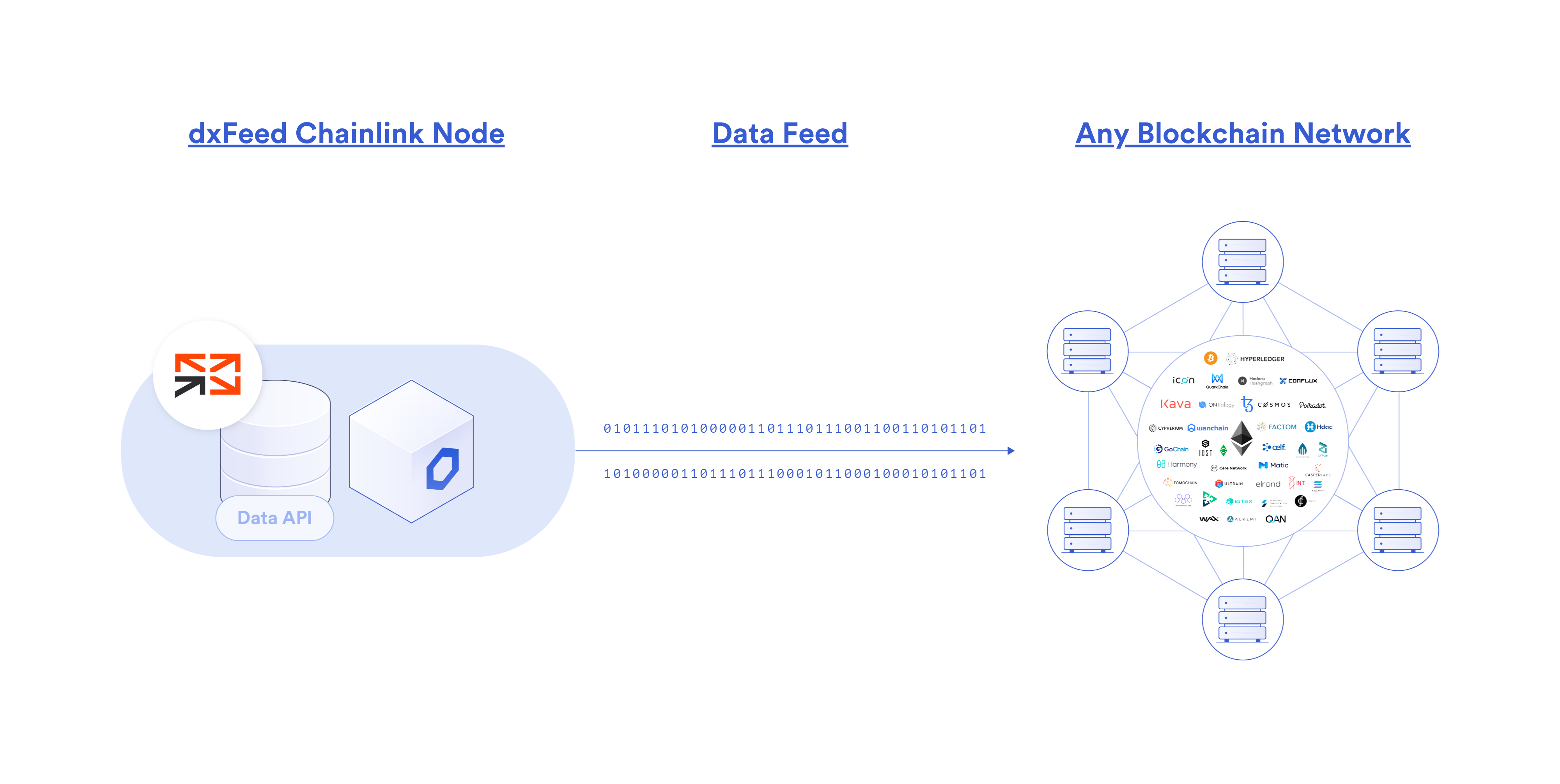
The process begins when an external system detects a change in state. This could be a price fluctuation in a financial market, a weather condition change, or a transaction confirmation on another blockchain. The source system packages this change into a standardized event message and broadcasts it to the oracle network.
The oracle network receives the raw event. Nodes filter out noise and duplicate messages, keeping only the relevant data points that match the smart contract's subscription. This step ensures that the contract only processes updates that trigger specific logic, reducing unnecessary gas consumption on the blockchain.
Before the data reaches the blockchain, it undergoes verification. Multiple oracle nodes independently validate the event against trusted sources. If the system uses multiple data feeds, an aggregation algorithm combines the inputs to mitigate manipulation risks. The result is a single, cryptographically signed proof of the data's accuracy.
The verified event is submitted to the smart contract via a transaction. The contract decodes the data and updates its internal state variables. This triggers any dependent logic, such as liquidating a position or releasing a payment. The event-driven oracle has now successfully synchronized off-chain reality with on-chain state.
Why latency matters in 2026
In 2026, the gap between a real-world event and its on-chain representation determines the survival of many DeFi protocols. Event-driven oracles bridge this gap, but even milliseconds of delay can shift market conditions enough to trigger unintended outcomes. When data feeds lag, smart contracts execute based on stale prices, creating opportunities for arbitrage and liquidation that punish honest participants.
The primary risk is not just price slippage, but the erosion of trust in automated systems. If an oracle reports a collateral price from ten seconds ago, a user might be liquidated unfairly, or a protocol might fail to rebalance its reserves. This is especially dangerous in high-frequency trading environments where margins are thin and reactions must be instantaneous.
Event-driven oracles mitigate this by pushing updates only when specific conditions are met, rather than relying on fixed intervals. This approach ensures that smart contracts receive data the moment it becomes relevant, reducing the window for exploitation. As DeFi applications become more complex and interconnected, the demand for real-time, low-latency data feeds will only intensify.
Protocols that fail to prioritize low-latency infrastructure will find themselves at a disadvantage. Users will migrate to platforms that offer faster, more reliable execution, leaving slower systems with less liquidity and higher vulnerability to attacks. The race for speed is no longer optional; it is a fundamental requirement for sustainable DeFi growth.
Common mistakes in oracle integration
Developers often treat event-driven oracles as simple data pipes rather than complex integration layers. This mindset leads to fragile systems that break under load or when data sources change. The primary keyword cluster, event-driven oracles, requires careful handling of both the event stream and the underlying data integrity.
One frequent error is incorrect event filtering. When you subscribe to a broad topic or chain, you receive every notification, including irrelevant ones. This floods your application with noise and increases gas costs for processing. You should filter events at the node level or use specific topic signatures to ensure your contract only processes relevant state changes.
Ignoring data provenance is another critical pitfall. Not all sources are equal. Some oracles aggregate data from multiple nodes, while others rely on a single provider. If you do not verify the source of the data, you risk acting on manipulated or stale information. Always check the oracle's reputation and the number of nodes involved in the consensus process.
Finally, many teams fail to handle oracle failures gracefully. Smart contracts should not revert entirely if an oracle update fails. Implement fallback mechanisms or timeout logic to prevent your application from becoming stuck. This ensures that your system remains responsive even when the data feed is interrupted.
Frequently asked questions about event-driven oracles
What is an event-driven oracle?
An event-driven oracle is a smart contract component that triggers execution based on real-time external events rather than fixed time intervals. Instead of polling for data, the oracle listens for specific conditions—such as a price threshold breach or a sensor reading—and pushes that data to the blockchain only when necessary. This approach reduces gas costs and ensures that smart contracts react instantly to changing market or physical conditions.
How does event-driven orchestration differ from integration?
Event-driven orchestration focuses on the coordination of multiple services through a central controller that manages the workflow state. In contrast, event-driven integration relies on loose coupling where services communicate asynchronously via message brokers without a central director. For smart contracts, orchestration is often preferred when complex, multi-step transactions require strict ordering and error handling, whereas integration suits simpler data feeds.
What is the difference between an oracle network and Oracle the company?
The term "oracle" in blockchain refers to a decentralized network of nodes that verify and transmit off-chain data to on-chain contracts. Oracle Corporation is a traditional enterprise software company known for its database management systems. While both provide data infrastructure, an oracle network is a specific Web3 mechanism for bridging blockchains with external reality, unrelated to the legacy software vendor.
Why are event-driven oracles better for real-time data?
Traditional polling oracles require constant requests for data, which consumes significant blockchain resources and introduces latency. Event-driven oracles operate on a push model, delivering data only when a predefined event occurs. This efficiency makes them ideal for high-frequency trading, insurance payouts based on weather events, or supply chain tracking where immediate reaction to state changes is critical.
Can event-driven oracles handle errors or failed events?
Yes, robust event-driven oracle architectures include error handling mechanisms. If an event fails to validate or a data source becomes unavailable, the oracle can trigger a fallback protocol, such as using a secondary data provider or pausing the smart contract to prevent incorrect executions. This resilience ensures that the smart contract remains secure even when external data streams are intermittent.
No comments yet. Be the first to share your thoughts!