
Event-Driven Oracles for Real-Time On-Chain Triggers in DeFi Protocols

In the high-stakes world of DeFi, where milliseconds can mean millions, the ability to react instantly to on-chain events separates thriving protocols from those left in the dust. Event-driven oracles stand at the forefront of this evolution, delivering real-time on-chain triggers that empower smart contracts to respond without delay. Unlike conventional setups that constantly poll for updates, these oracles listen for specific blockchain happenings and fire off actions the moment they occur. Platforms like EventOracles. com pioneer this approach, offering developers precise, scalable tools to integrate into their dApps and protocols.

Why Polling Mechanisms Drag Down DeFi Efficiency
Picture a DeFi protocol scanning the blockchain every few seconds for price shifts or liquidations. This polling method, common in early designs, wastes gas, racks up costs, and introduces unacceptable latency. As Shivank notes in his Medium piece on designing event-driven systems, event triggers respond immediately when a block event fires, slashing delays that could otherwise lead to missed opportunities or cascading failures.
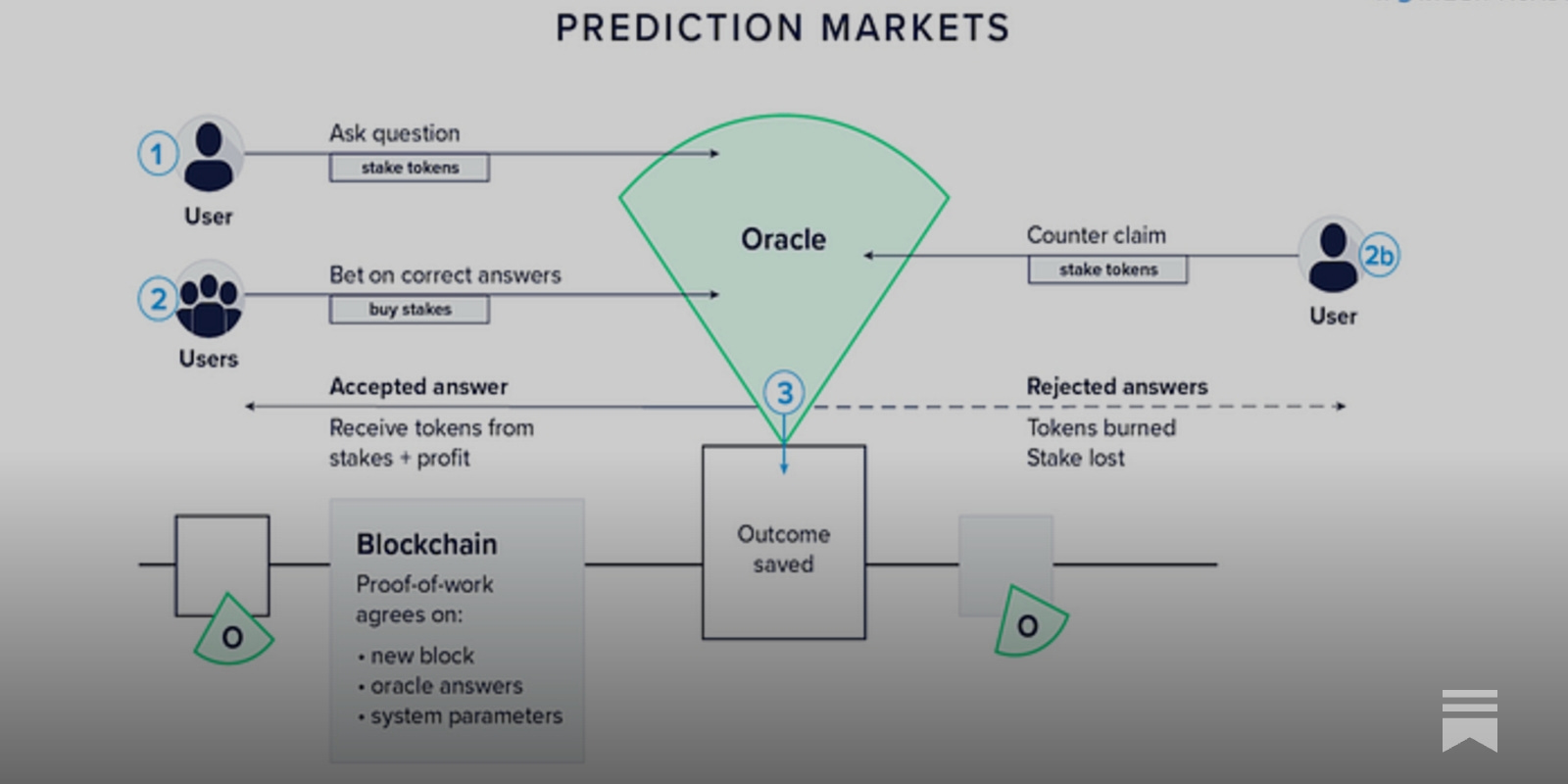
Consider automated trading bots or liquidation engines: in latency-sensitive spots like these, even a 10-second lag can spell disaster. Traditional oracles often push data at fixed intervals or require on-demand pulls, both prone to inefficiencies. Chainlink’s breakdown of push versus pull oracles highlights how push models flood the chain unnecessarily, while pulls demand user intervention. Event-driven oracles sidestep these pitfalls entirely, activating only on verified events for optimal resource use.
Risks compound with centralized reliance. S and amp;P Global’s assessment of oracle utilities warns of single points of failure, where off-chain data imports falter under attack or downtime. The Bank for International Settlements echoes this in their oracle problem analysis for DeFi, stressing how real-world data feeds must be tamper-proof to sustain trustless environments. EventOracles. com addresses this head-on with decentralized, blockchain-native monitoring that eliminates intermediaries.
Unlocking Precision with Blockchain Event Oracles
Blockchain event oracles, or DeFi oracle triggers, function as vigilant sentinels on the chain. They monitor logs for contract emissions, block confirmations, or custom conditions like price thresholds crossing key levels. Once detected, they relay tamper-proof signals to trigger smart contract logic seamlessly. This is the essence of no polling oracles: pure reactivity without the overhead.
Akshay Bakshi’s exploration on Medium illustrates how event oracles complement price and environmental feeds by focusing on action-oriented intelligence. Supra’s Threshold AI oracles take it further with TEEs for verified computations in time-critical trades. Yet, the true game-changer lies in stateless automation. The updated landscape, including Kwala’s YAML-driven workflows, mirrors EventOracles. com’s philosophy: define events once, deploy anywhere, and scale effortlessly across chains.
Developers appreciate the simplicity. No custom servers or manual listeners required; just declarative configs that handle everything from mempool sniping to governance votes. This aligns with Web3’s ethos of composability, where protocols chain reactions across ecosystems without friction.
Building Responsive DeFi with Web3 Data Feeds
Integrating Web3 data feeds via event-driven oracles transforms passive smart contracts into proactive agents. In lending platforms, for instance, an oracle detects collateral value dips and initiates liquidations before volatility spirals. AdaPulse describes oracles as bridges ferrying external truths on-chain; event variants supercharge this by tying directly to blockchain-native signals.
Findas. org emphasizes how these connections yield automated outcomes, from dynamic yield farming adjustments to cross-chain swaps. DEV Community’s dive into oracles and indexing underscores their role in making real-world data actionable. With DIA’s verifiable feeds partnering ecosystems like Hyperliquid, trustless reactivity becomes standard. EventOracles. com excels here, providing instant triggers for macro event detection that inform my own long-term strategies in bonds, stocks, and crypto.
From my vantage as a CFA with 18 years investing, I’ve seen macro trends pivot on unheeded signals. Event-driven oracles equip DeFi builders to capture those edges, fostering protocols that endure market cycles rather than chase hype. As 4soft. co notes on AI-driven oracles, the fusion of off-chain smarts with on-chain events bridges gaps long plaguing decentralized apps.
Scalability emerges as another cornerstone. As DeFi volumes swell, polling clogs networks with redundant queries, but event-driven oracles scale linearly with activity. They process only relevant events, conserving gas and bandwidth for high-throughput chains like Solana or Layer 2s. This efficiency proves vital during flash crashes or airdrop frenzies, where every transaction counts.
Real-World Deployments and Proven Gains
Let’s examine tangible impacts. In perpetual futures platforms, DeFi oracle triggers monitor funding rate flips or oracle price deviations, auto-adjusting positions to avert liquidations. Kwala’s stateless layer, with its YAML simplicity, exemplifies this: developers script responses to liquidity events without backend bloat. Similarly, EventOracles. com’s triggers have powered vaults that rebalance on-chain the instant yields shift, capturing alpha traditional systems miss.
Polling vs. Event-Driven Oracles: Key Metrics in DeFi Liquidations
| Metric | Polling | Event-Driven |
|---|---|---|
| Latency | High: Periodic checks (e.g., 15-60s intervals) delay detection of liquidation events like price drops or health factor breaches, risking bad debt accrual in protocols like Aave. | Low: Immediate response ⚡ to blockchain events (e.g., sub-second triggers via platforms like Kwala), enabling real-time liquidations. |
| Gas Cost | High: Constant on-chain queries for price feeds or health checks consume excessive gas, scaling poorly with frequency. | Low: Off-chain monitoring with on-chain triggers only on events, drastically reducing gas usage (e.g., no polling overhead). |
| Scalability | Limited: Gas and compute costs grow linearly with polling frequency and user base, leading to bottlenecks in high-volume DeFi. | High: Handles event volume efficiently without constant overhead, supporting massive scale (e.g., monitoring millions of positions seamlessly). |
| Reliability | Lower: Misses fast-moving events between polls; prone to centralization failures or oracle downtime. | High: Directly reacts to verified on-chain events (e.g., Kwala’s stateless automation), minimizing trust issues and ensuring no missed triggers. |
These gains aren’t theoretical. Supra’s TEE-secured oracles handle automated trades where sub-second responses prevent slippage, a feat polling can’t match. From my macro lens, this reactivity mirrors bond market yield curve inversions: detect early, position wisely, profit enduringly.
Security weaves through every layer. Traditional oracles falter on off-chain dependencies, as S and P Global cautions, inviting exploits like flash loan manipulations. Blockchain event oracles stay purely on-chain, leveraging Merkle proofs and zero-knowledge for verifiable triggers. DIA’s Hyperliquid tie-up pushes this boundary, blending transparency with speed for trust-minimized feeds.
Overcoming the Oracle Problem in Modern DeFi
The BIS flags the oracle problem as DeFi’s Achilles’ heel: importing flawed data poisons smart contracts. No polling oracles mitigate this by shunning periodic feeds prone to stale info. Instead, they await confirmed events, reducing manipulation vectors. Push models overwhelm; pulls lag. Event-driven paths activate precisely, fostering antifragile protocols that thrive under stress.
4soft. co’s AI oracle vision adds predictive edges, but on-chain purity remains paramount. EventOracles. com embodies this, scanning mempools and logs for macro signals like whale transfers or protocol upgrades. In my portfolio analyses, these feeds reveal ecosystem health before headlines, guiding low-risk entries into resilient assets.
Cross-chain realms amplify the need. Oracles now bridge EVMs to Cosmos or Polkadot, triggering bridges on liquidity imbalances. Findas. org captures this: without reactive oracles, smart contracts stay blind to external pulses. DEV Community’s indexing insights pair perfectly, indexing events for instant queries that fuel composable apps.
Challenges persist, mind you. Event specificity demands precise log parsing, and multi-chain sync requires robust relayers. Yet solutions mature rapidly. Threshold signatures and TEEs, per Supra, verify computations without trusting nodes. EventOracles. com’s toolkit streamlines this, letting builders focus on innovation over infrastructure.
As Web3 matures, Web3 data feeds via event oracles will underpin trillion-dollar primitives. Lending evolves to preempt defaults; DEXes to frontrun MEV; DAOs to auto-enforce votes. This isn’t mere tech; it’s the infrastructure for decentralized economies that respond like living organisms. Platforms leading this charge, like EventOracles. com, arm developers with the tools to build what lasts amid crypto’s relentless churn.