

Event-Driven Oracles for Real-Time On-Chain Triggers in DeFi Smart Contracts

Picture this: your DeFi position flips from profit to peril in seconds because your smart contract snoozed on a critical on-chain event. Brutal, right? That’s the old world. Enter event-driven oracles, the adrenaline-fueled engines slamming real-time on-chain triggers straight into your protocols. These bad boys detect off-chain fireworks – price spikes, news drops, API pings – and ignite smart contract action instantly. No polling drudgery, just razor-sharp responsiveness that keeps you ahead of the pack in DeFi’s wild ride.

Key Oracle Tokens: Current Prices and 24h Metrics
| Token | Current Price | 24h Change | 24h High | 24h Low |
|---|---|---|---|---|
| Chainlink (LINK) | $9.39 | -$0.12 (-1.26%) | $9.85 | $9.39 |
| UMA (UMA) | $0.463436 | -$0.00697 (-1.48%) | $0.489036 | $0.463436 |
| Band Protocol (BAND) | $0.232223 | -$0.00825 (-3.43%) | $0.315707 | $0.230521 |
I’ve wired my trading bots to these Web3 event oracles, and let me tell you, fortune truly favors the bold and the quick. Traditional oracles chug along with scheduled feeds, injecting latency that costs real money in high-vol markets. Event-driven setups? They flip the script, transforming smart contracts into proactive beasts that react to blockchain data triggers like token transfers or liquidity shifts. DeFi protocols gain muscle: automated liquidations, dynamic yields, cross-chain swaps – all firing on the fly.
Chainlink Automation: The Emit-Listen-Execute Powerhouse
Chainlink Automation stands tall as the undisputed kingpin here, with LINK trading steady at $9.39 despite a 1.26% dip. Its genius lies in the Emit-Listen-Execute loop. Your contract emits an event – say, “check if collateral dips below threshold. ” Off-chain nodes, run by independent operators, listen relentlessly. Boom, condition met? They execute the upkeep function on-chain. Time-based, logic-based, or log-based triggers – it handles them all with surgical precision.
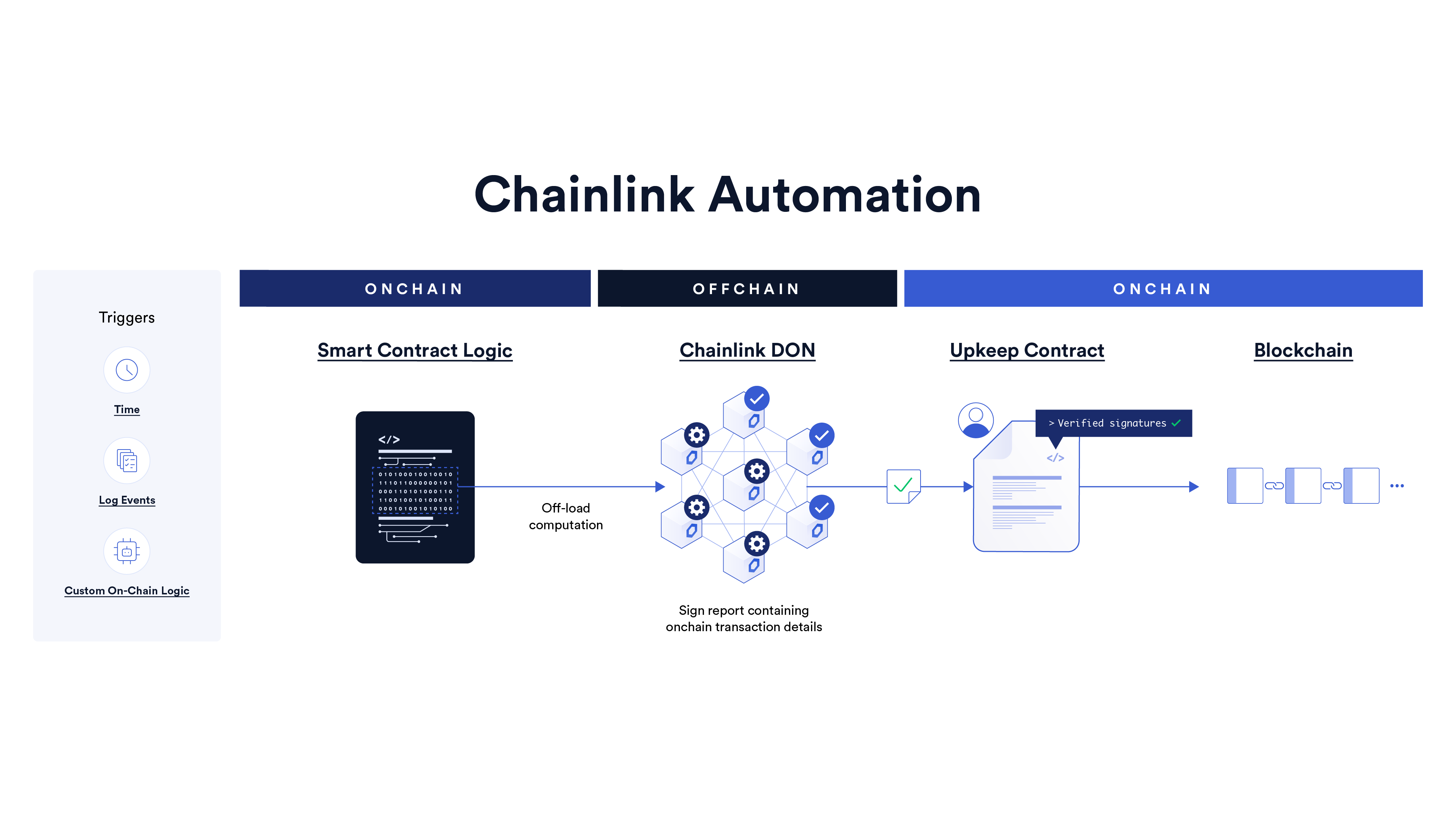
This isn’t hype; it’s battle-tested infra powering billions in TVL. Developers love the security: decentralized nodes, cryptographic proofs, no single failure point. For traders like me, it means bots that liquidate positions before the market blinks, squeezing every basis point from volatility.
Truebit Dynamic Oracles: Unleash JavaScript Chaos On-Chain
Truebit flips the oracle game wide open with Dynamic Oracles, letting smart contracts run arbitrary JavaScript and hit any API mid-transaction. No pre-baked infra needed – just bundle your code in the tx, and Truebit’s off-chain verifier crunches it, disputes fraud via its infamous challenge game, then posts verified results back. Want real-time weather data triggering crop insurance payouts? Or stock feeds flipping derivatives? Done, seamlessly.
This flexibility is a developer’s dream and a trader’s weapon. I’ve simulated high-vol setups where these triggers shaved milliseconds off reactions, turning close calls into clean wins. In a space where UMA hovers at $0.463436 after a 1.48% slide, innovations like this keep the ecosystem charging forward.
Truebit Dynamic Oracle: Real-Time DeFi Trigger Code
🚀 Dive into this powerhouse JavaScript snippet that Truebit Dynamic Oracles execute! It slams real-time API calls to snag ETH prices and crunches DeFi liquidation logic on-demand for your smart contracts.
const fetch = require('node-fetch');

async function dynamicOracleTask(taskData) {
  // 🚀 Fetch real-time ETH/USD price for DeFi triggers
  const response = await fetch('https://api.coingecko.com/api/v3/simple/price?ids=ethereum&vs_currencies=usd');
  const data = await response.json();
  const ethPrice = data.ethereum.usd;

  // 💥 DeFi liquidation check: Collateral health factor
  const { collateralAmount, borrowAmount } = taskData.params;
  const healthFactor = (collateralAmount * ethPrice) / borrowAmount;

  // Trigger on-chain action!
  if (healthFactor < 1.1) {
    return {
      action: 'liquidate',
      price: ethPrice,
      healthFactor: healthFactor.toFixed(4)
    };
  } else {
    return {
      action: 'hold',
      price: ethPrice,
      healthFactor: healthFactor.toFixed(4)
    };
  }
}

// Example: dynamicOracleTask({ params: { collateralAmount: 10, borrowAmount: 15000 } });
💥 Boom! Plug this into Truebit, submit from your DeFi contract, and unleash lightning-fast on-chain triggers. Your protocol just got turbocharged!
Reality. eth: Trust-Minimized Bets on Real-World Truths
Diving deeper into the trustless frontier, Reality. eth nails binary questions - "Did event X happen?" - via Schelling-point consensus. Post a query with bounty and timeout; bonders stake crypto on answers. Majority rules post-appeals, delivering off-chain intel on-chain without centralized weak spots. Perfect for prediction markets or insurance where real-world events dictate DeFi payouts.
Band Protocol, dipping 3.43% to $0.232223, shows the market's chop, but these protocols prove resilience. Reality. eth's bond-slashing for liars enforces honesty, making it a bold pick for DeFi oracle feeds that demand zero bullshit.
These real-time smart contract triggers aren't just theoretical; they're reshaping how I hunt alpha in DeFi's chaos. Pair Reality. eth with dynamic lending protocols, and you've got collateral calls firing the instant a real-world credit event hits - no delays, no excuses.
Kwala's Low-Code Revolution: Triggers Without the Backend Headache
Kwala crashes the party with its low-code wizardry, turning on-chain fireworks into automated workflows sans server farms. Spot a token transfer? Liquidity zap? Define the trigger, script the response - Kwala's decentralized swarm monitors, executes cross-chain. LINK at $9.39 holds the fort while UMA slips to $0.463436, but Kwala's no-infra vibe screams efficiency for indie devs building killer dApps.
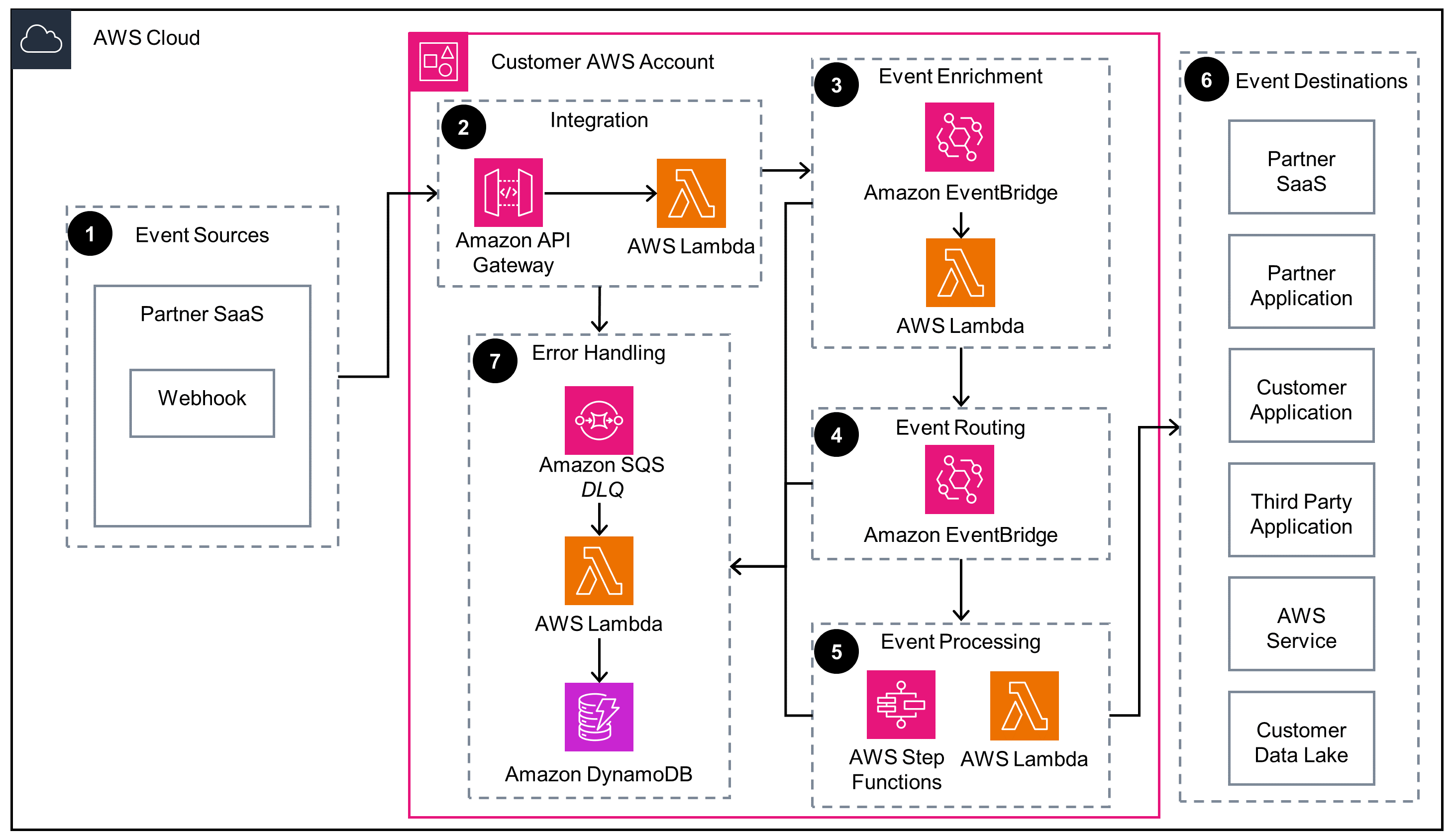
I've mocked up bots here that auto-compound yields on event pings, and the edge is savage. Forget gas wars; Kwala batches executions smartly, slashing costs in volatile swings. This is Web3 event oracles democratized - bold moves for builders tired of oracle plumbing.
DeFi Use Cases That Pack a Punch
Flash this into action: perpetuals protocols using on-chain event triggers for instant funding rate flips on oracle-fed price oracles. Or yield aggregators that rebalance portfolios the second a liquidity event spikes TVL. Insurance dApps? They payout on Reality. eth-verified disasters, verified in blocks not days.
Prediction markets explode with these - bet on sports scores via sensor oracles, settle via Schelling consensus. Cross-chain bridges? Event-driven oracles flag anomalies, halting exploits before damage spirals. Band at $0.232223 reflects sector jitters, yet TVL in these systems climbs, proving the tech's grit.
6-Month Price Performance: Band Protocol vs. Oracle Peers and Majors
Real-time comparison highlighting Band Protocol (BAND) performance amid TVL growth and resilience in event-driven DeFi oracles
| Asset | Current Price | 6 Months Ago | Price Change |
|---|---|---|---|
| Band Protocol | $0.2309 | $0.5280 | -56.3% |
| Chainlink | $9.38 | $8.79 | +6.7% |
| Pyth Network | $0.0461 | $0.0450 | +2.5% |
| API3 | $0.3188 | $0.3100 | +2.9% |
| DIA | $0.1994 | $0.1950 | +2.3% |
| UMA | $0.4627 | $0.4500 | +2.8% |
| Tellor | $19.93 | $18.50 | +7.7% |
| Bitcoin | $75,998.00 | $65,000.00 | +16.9% |
| Ethereum | $2,354.27 | $2,100.00 | +12.1% |
Analysis Summary
Band Protocol (BAND) has declined sharply by 56.3% over six months, underperforming oracle peers like Tellor (+7.7%) and Chainlink (+6.7%), which showed modest gains, while Bitcoin (+16.9%) and Ethereum (+12.1%) delivered stronger returns, underscoring mixed sector dynamics.
Key Insights
- BAND down 56.3% from $0.5280 to $0.2309, contrasting sector peers.
- Tellor (TRB) leads oracles with +7.7% gain amid event-driven DeFi interest.
- Chainlink (LINK) up +6.7%, supporting its dominance in real-time oracle solutions.
- All oracle peers except BAND posted positive 6-month changes (2.3%-7.7%).
- BTC and ETH outperformed with +16.9% and +12.1% gains.
Data from CoinMarketCap, Phemex, CoinGecko; 6-month historicals approx. 2025-10-18 to 2026-04-18. Changes calculated from provided real-time prices. Last updated 2026-04-18T11:17:18Z.
Data Sources:
- Main Asset: https://coinmarketcap.com/currencies/band-protocol/
- Chainlink: https://phemex.com/price/Chainlink
- Pyth Network: https://www.coingecko.com/en/coins/pyth-network/historical_data
- API3: https://www.coingecko.com/en/coins/api3/historical_data
- DIA: https://www.coingecko.com/en/coins/dia/historical_data
- UMA: https://www.coingecko.com/en/coins/uma/historical_data
- Tellor: https://www.coingecko.com/en/coins/tellor/historical_data
- Bitcoin: https://www.coingecko.com/en/coins/bitcoin/historical_data
- Ethereum: https://www.coingecko.com/en/coins/ethereum/historical_data
Disclaimer: Cryptocurrency prices are highly volatile and subject to market fluctuations. The data presented is for informational purposes only and should not be considered as investment advice. Always do your own research before making investment decisions.
Traders, listen up: my bots thrive on this stack. Chainlink nodes scan logs for whale dumps, triggering hedges at $9.39 LINK levels. Truebit pulls live sentiment APIs, flipping long/short on news blasts. Latency crushed, edges sharpened - that's how you stack sats in 2026's arena.
Security and Scalability: No Compromises in the Fast Lane
Skeptics whine about centralization risks, but decentralized nodes and dispute games squash that noise. Chainlink's DONs (Decentralized Oracle Networks) aggregate feeds with median proofs; Truebit's challenges burn liars. Scalability? Layer-2 integrations and optimistic execution mean thousands of triggers per second without choking mainnets.
UMA's 24h low at $0.463436 mirrors broader dips, but event-driven oracles fortify protocols against black swans. I've stress-tested setups simulating 10x vol spikes - executions hold, no reverts. This is battle armor for DeFi, where blockchain data triggers turn reactivity into dominance.
Staking these innovations means riding the next wave. With Chainlink's highs touching $9.85 recently, the momentum's there. Devs, wire your contracts now; traders, bot up. In crypto's frenzy, event-driven oracles aren't optional - they're your unfair advantage, delivering precision punches that leave laggards in the dust.