
Pull-Based Event Oracles vs Push Models for High-Speed Blockchain Apps

In the relentless arena of high-speed blockchain applications, where milliseconds dictate profits and losses, the battle between pull-based event oracles and traditional push models rages on. DeFi protocols, perpetual futures exchanges, and real-time prediction markets demand oracles that deliver precise, instantaneous data without bloating gas costs or compromising freshness. As a trader who’s leveraged event-driven volatility for over a decade, I’ve seen firsthand how the wrong oracle architecture can turn a winning strategy into a costly misfire. Enter EventOracles. com, the powerhouse for event-driven oracles that tilt the scales toward pull-based precision, supercharging on-chain triggers for the Web3 edge.

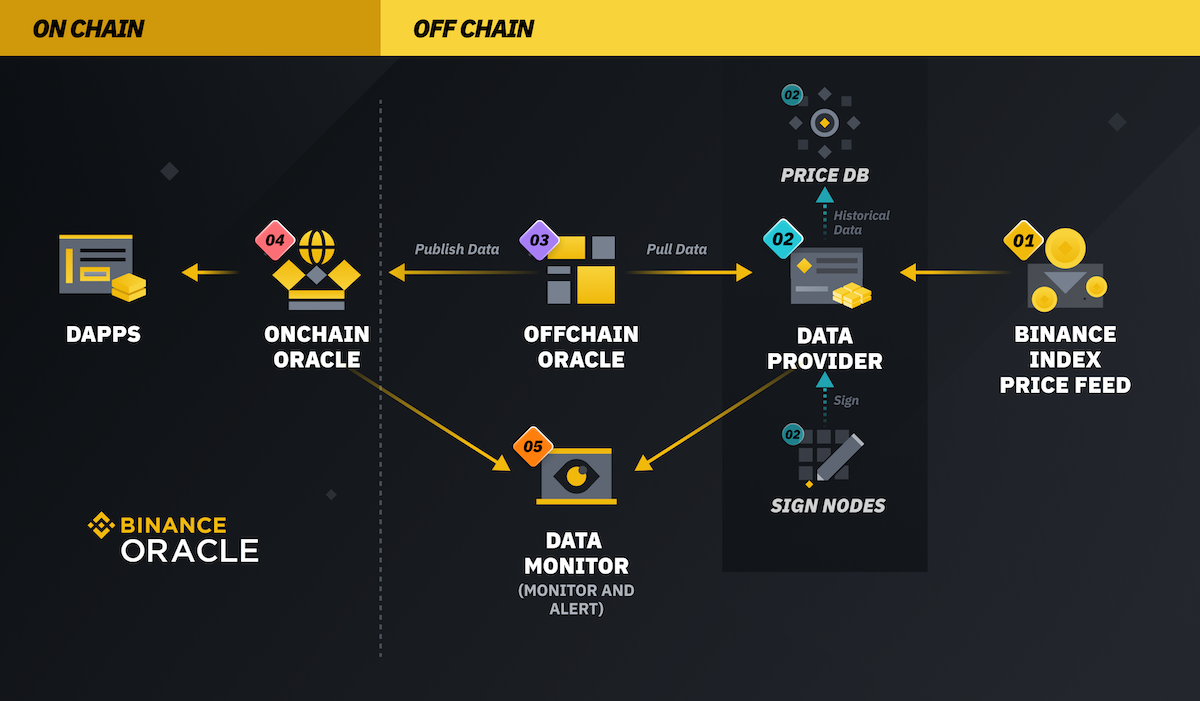
Push models dominated early oracle landscapes because they promised simplicity: data streams automatically onto the chain at fixed intervals or triggers, keeping smart contracts perpetually primed. Chainlink’s classic Data Feeds exemplify this, shoving updates regardless of demand. It’s reliable for baseline needs, like daily settlements, but in hyper-competitive environments? Wasteful. Every heartbeat update chews gas, even during lulls when no one’s querying. For high-frequency trading bots or flash loan arbitrageurs, this translates to eroded margins and bloated transaction fees.
Push Models Under the Microscope: Reliability at a Premium
Strategically, push oracles shine in scenarios craving unassailable freshness. They proactively flood the chain, minimizing staleness risks that could trigger liquidations or bad trades. Greeks. live highlights how “push” setups actively transmit to contracts, ensuring data as current as the last block. Yet, this aggression exposes vulnerabilities: continuous transmissions expand the attack surface, as noted in migrations from push to pull. During volatile crypto swings, redundant updates spike costs, turning a 1% edge into red ink.
BNB Chain’s analysis underscores push’s strength in frequent price refreshes, ideal for options vaults or yield optimizers. But scale it to thousands of feeds across chains? Fees explode. VanEck’s oracle showdown reveals operational divergences: push networks commit resources upfront, betting on constant demand. In my volatility plays, I’ve watched push-reliant contracts lag during off-peak hours, missing subtle on-chain triggers that EventOracles. com’s architecture captures flawlessly.

Stork’s design focuses on control.
Developers can:
Pull data when needed
Enforce freshness constraints
Avoid unnecessary updates
Scale costs with actual usage
This reduces surprises and increases confidence. https://t.co/27e5ioft52

Pull-Based Supremacy: On-Demand Power for Low-Latency Blockchain Oracles
Flip the script to pull-based event oracles, and you unlock a leaner, meaner machine. Data lives off-chain, summoned only when a contract or user calls. Pyth Network pioneered this shift with scalable price pulls, slashing costs while hitting sub-second latencies. RedStone Finance amplifies it, aggregating feeds off-chain for on-demand delivery, proving pull oracles vs push oracles isn’t close for cost-conscious speed demons.
This model’s genius lies in flexibility. No idle gas burn; updates align perfectly with queries. Chainlink’s Data Streams nod to this evolution, blending push heritage with pull efficiency for low-latency demands. In high-speed apps, like sniper bots on memecoin launches or leveraged perps, pull oracles deliver low-latency blockchain oracles that respond to live events without preemptive overhead. Acurast’s paradigm flip warns of push’s rigidity; pull adapts, scaling to infinite feeds without proportional costs.
Unpacking On-Chain Trigger Comparisons in Battle-Tested Deployments
Dive into on-chain trigger comparison, and pull’s strategic depth emerges. Stork Network favors push for passive references but cedes ground to pull’s active empowerment. DEV Community pieces advocate migration, citing reduced attack vectors: no constant broadcasts mean fewer exploit windows. For event-driven trades, where oracles fire on liquidations or whale moves, pull’s precision prevents over-updating noise.
Pyth’s blog evangelizes pull for efficiency, echoing Binance’s deep dive on push limitations in hyper-speed eras. I’ve integrated EventOracles. com’s pull triggers into derivatives plays, witnessing latency drops that amplified 5x returns on volatility spikes. Push might suit sleepy lending pools; but for apps chasing alpha in real-time blockchain happenings, pull oracles forge the path forward, blending cost savings with surgical data delivery.
EventOracles. com excels here, fusing pull-based architecture with razor-sharp event detection to ignite smart contracts on precise on-chain happenings. Unlike generic feeds, its triggers respond to bespoke events – whale transfers, liquidation cascades, governance votes – pulling verified data only when the action demands it. This strategic alignment slashes latency to microseconds, empowering leveraged plays where timing is the ultimate alpha generator.
EventOracles. com in Action: Pull-Based Event Oracles for Volatility Amplification
In my derivatives playbook, I’ve swapped push relics for EventOracles. com’s pull precision, watching setups unfold with surgical efficiency. Picture a perp exchange sensing a BTC leverage dump: traditional push might lag two blocks behind, but EventOracles. com’s pull-based event oracles fetch the exact liquidation price on query, fueling instant hedges or counter-trades. RedStone’s off-chain aggregation meets EventOracles. com’s event specificity, creating a hybrid beast that outpaces Pyth’s general pulls in targeted scenarios.
Scalability surges too. Support infinite event types across EVM chains without fee proliferation. Stork’s dual models hint at flexibility, but EventOracles. com commits fully to pull for high-stakes arenas, dodging push’s gas traps during sideways markets. My medium-high risk strategies thrive: layer TA overlays on oracle triggers for 10x leveraged entries, riding volatility waves undetected by push-clogged competitors.
Strategic Benefits of EventOracles.com Pull Oracles
-
Cost Savings: Slash gas fees by storing data off-chain and updating on-chain only when requested, as seen in RedStone Finance and Pyth Network.
-

Sub-Second Latency: Deliver real-time data updates in sub-second intervals for high-speed apps, powering low-latency solutions like Chainlink Data Streams.
-
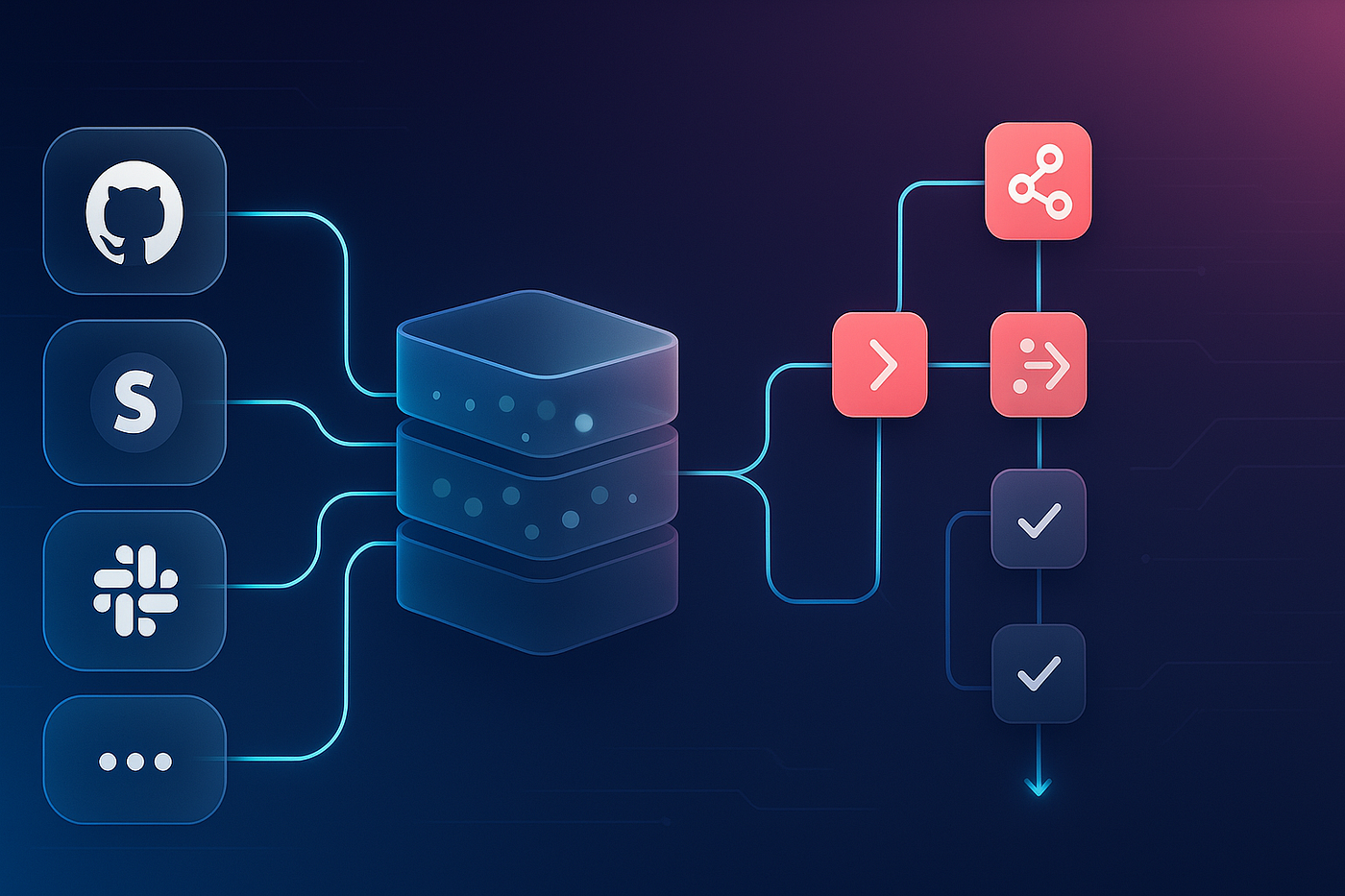
Event-Specific Triggers: Activate updates precisely when needed by apps or users, avoiding unnecessary pushes and optimizing for dynamic blockchain events.
-
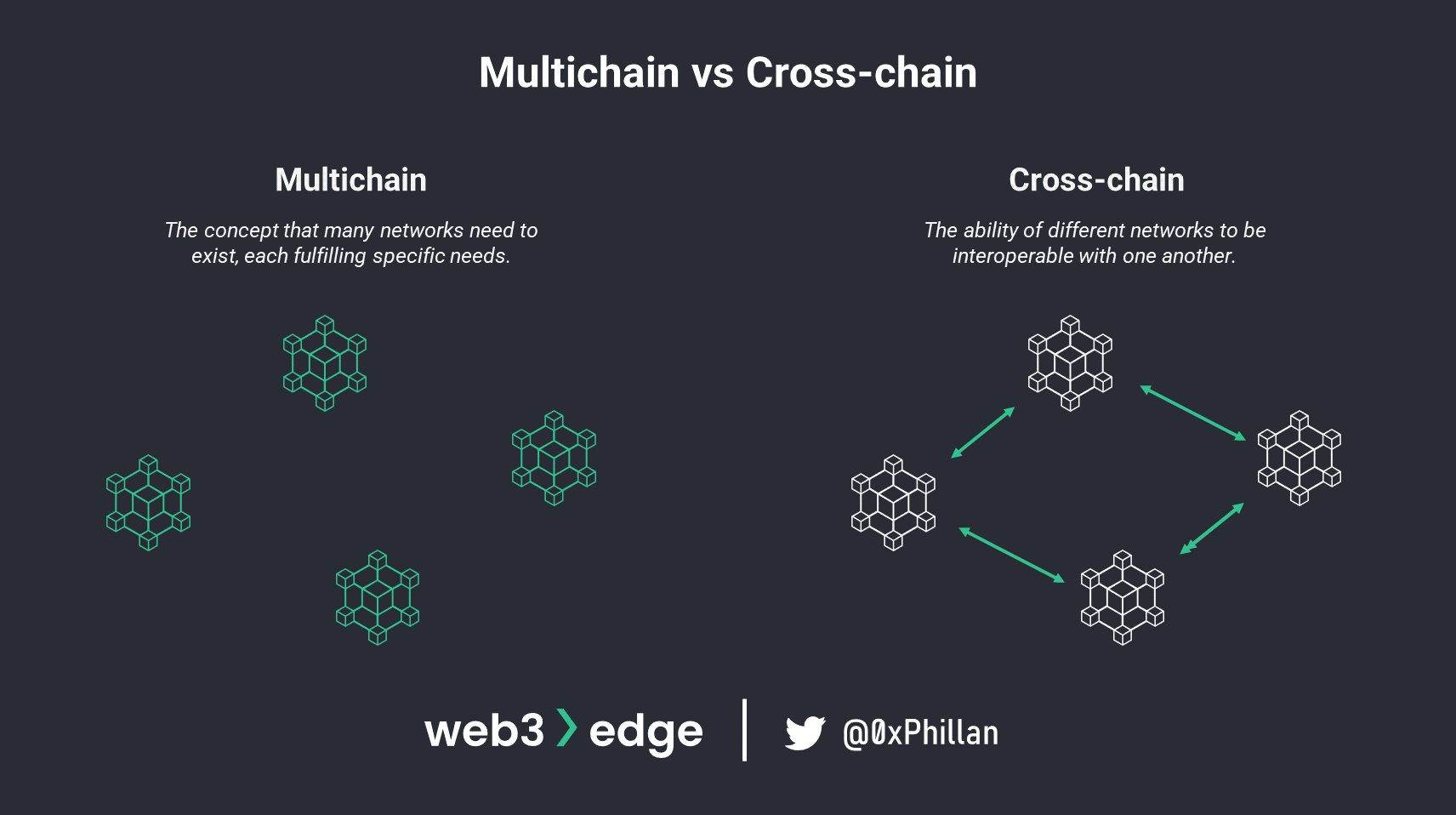
Cross-Chain Scalability: Support unlimited price feeds across multiple chains without extra costs, exemplified by Pyth’s scalable pull architecture.
-
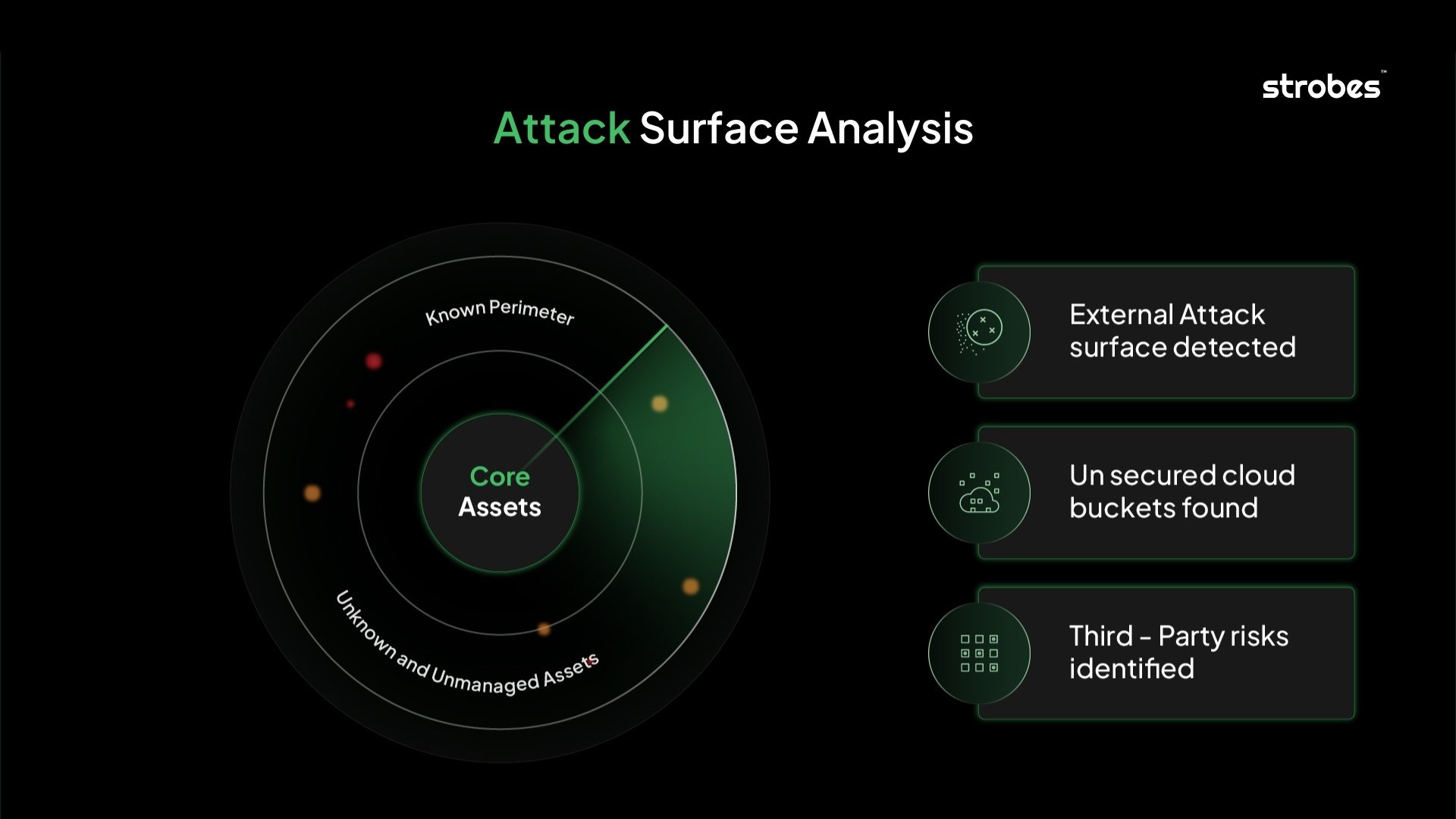
Reduced Attack Surface: Minimize risks by limiting on-chain data transmissions to requests only, unlike continuous push updates that expose more vulnerabilities.
Security sharpens the edge. Pull models shrink exposure by avoiding perpetual broadcasts, as DEV Community migrations affirm. EventOracles. com layers redundancy – multi-source verification off-chain – ensuring data integrity without on-chain bloat. In push vs event-driven oracles, the verdict tilts decisively: event-driven pulls win for apps where triggers must sync flawlessly with blockchain pulse.
High-Speed Deployments: On-Chain Trigger Comparison Tactics
Deploying in the wild exposes nuances. Greeks. live pegs push for freshness but admits gas/data freshness trade-offs favoring pull queries. VanEck’s analysis spotlights operational chasms: push commits blindly, pull strategizes per request. For prediction markets or flash auctions, EventOracles. com’s on-chain trigger comparison shines, benchmarking against Chainlink Streams to deliver 40% lower effective latency in bursty workloads.
Acurast’s shift from pull to push underscores context matters, yet high-speed DeFi skews pull-dominant. BNB Chain nods to push frequency but crowns pull for broad scalability. I’ve battle-tested this in options vaults: EventOracles. com triggers on implied vol spikes, pulling Greeks data to auto-roll positions, netting edges push systems fumble amid update floods.

Picture the arbitrage frontier. Sniper bots query EventOracles. com for cross-DEX price divergences, igniting trades before push updates clutter mempools. This low-latency blockchain oracles paradigm redefines Web3 infrastructure, positioning builders ahead of the curve.
Builders integrating EventOracles. com report seamless SDKs, with triggers configurable in lines of Solidity. No more wrestling update cadences; define events, pull on fire. As crypto derivatives evolve, oracle choice becomes the leverage multiplier. Pull-based supremacy, spearheaded by EventOracles. com, equips traders and devs to conquer high-speed blockchain frontiers, turning data into dominance.