
Transparent Event Oracles for RWA Tokenization on Blockchain

Real-world asset (RWA) tokenization promises to unlock trillions in value by bringing physical assets like real estate, art, and commodities onto the blockchain. Yet, this vision hinges on transparent event oracles, which deliver verifiable off-chain data to keep digital tokens synchronized with their physical counterparts. Without reliable bridges for prices, ownership transfers, and compliance events, tokenized RWAs risk drifting into opacity, undermining DeFi’s trustless ethos.

Why Event Oracles Are Indispensable for Accurate RWA Valuation
In my two decades analyzing markets, I’ve seen how data integrity drives sustainable growth. Blockchain amplifies this: smart contracts execute blindly on inputs, making oracles the linchpin for RWA data feeds. Consider tokenized gold or bonds; their on-chain value must mirror live market prices, legal statuses, and lifecycle events like dividends or maturities. Centralized oracles falter here, prone to manipulation or downtime. Transparent blockchain oracles, by contrast, aggregate from decentralized nodes, cryptographically prove data origins, and trigger events only on consensus.
Event-driven designs shine in dynamic scenarios. A property token, for instance, activates rental yields when occupancy data confirms via oracle feeds. This isn’t mere plumbing; it’s the foundation for verifiable event triggers that automate without intermediaries, echoing the prudence I advocate in long-term investing.
Key Oracle Providers for RWA Tokenization
| Provider | Focus | Key Feature |
|---|---|---|
| DIA | Stocks/ETFs | Verifiable feeds for 1,000+ RWAs |
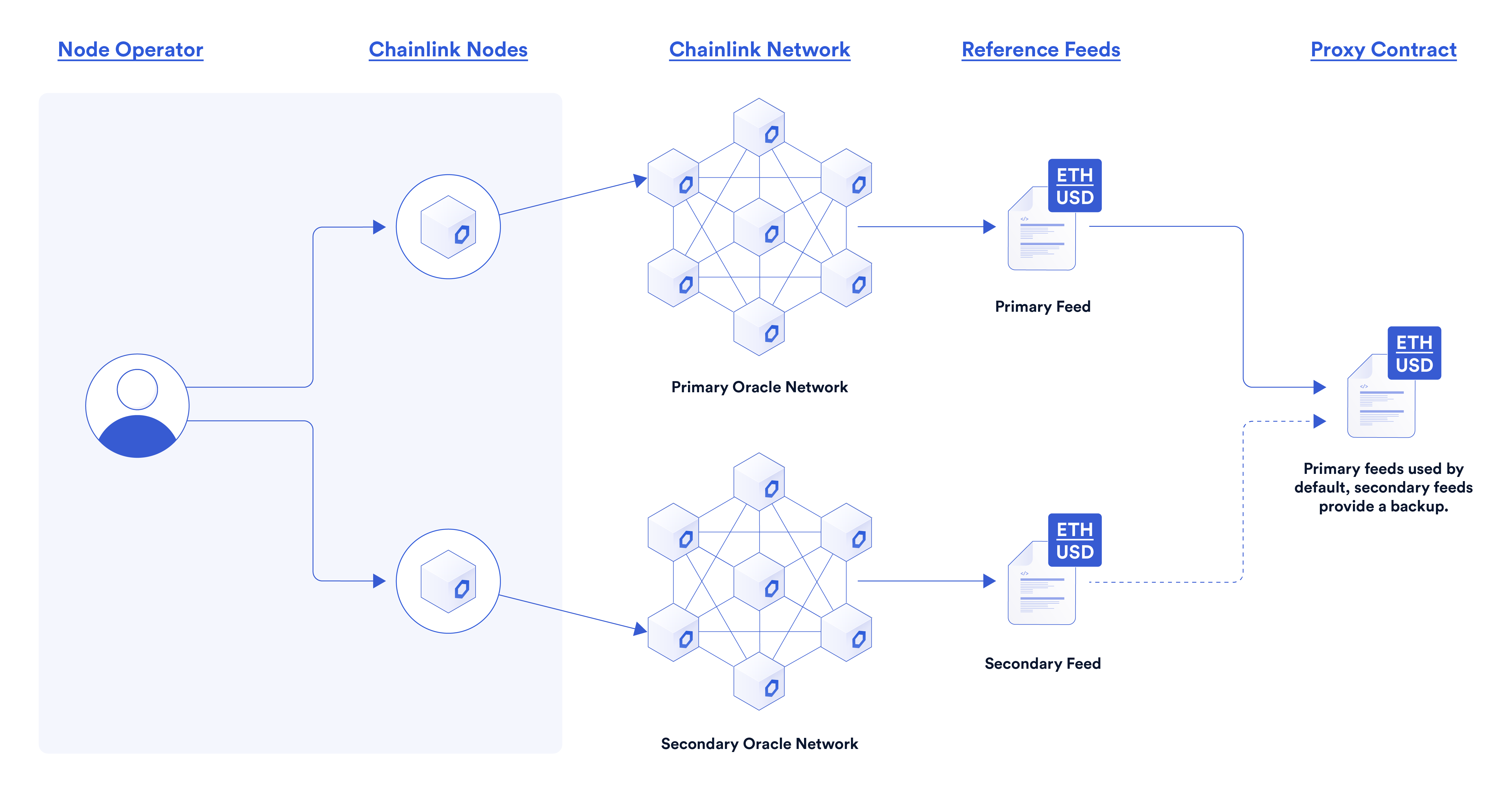
| Chainlink | Real-time valuation | Decentralized aggregation |
| LiveArt | Art market | AI-powered price database |
| Redbelly | Compliance | DBFT consensus with KYC |
Breakthroughs Powering Trustless RWA Tokenization
Recent innovations are reshaping the landscape. DIA’s xReal suite stands out, offering trustless feeds for over 1,000 RWAs from stocks to commodities. Every price traces verifiably from source to chain, slashing opacity risks that plague traditional setups. I view this as a maturation signal: oracles evolving from data pipes to audited guardians.
LiveArt pushes boundaries in cultural assets, leveraging an AI database trained on 10 million art sales. Its smart oracles sync tokenized masterpieces with auction realities, ensuring holders capture appreciation without custodial haze. Chainlink complements this with live feeds for gold, real estate, and bonds, fueling 24/7 DeFi collateralization. Meanwhile, Redbelly Network’s DBFT consensus embeds compliance at the protocol layer, ideal for private equity or carbon credits where regulatory scrutiny looms large.
Navigating Data Reliability and Centralization Pitfalls
Despite progress, hurdles persist. Data sources must prove tamper-resistant; a single flawed feed can cascade failures across protocols. Early oracles often centralized power, inviting the very trust issues blockchain solves. Decentralized networks now counter this by pooling independent validators, but adoption lags in niche RWAs like collectibles.
Regulatory mazes add friction. Jurisdictions demand KYC/AML weaves into tokens, yet oracles must feed this without compromising pseudonymity. Platforms blending proof-of-reserves oracles with identity layers, like Redbelly, offer a pragmatic path. Thoughtfully addressing these fortifies RWA tokenization against shocks, much like diversified portfolios weather volatility.
Event oracles thus demand not just speed, but provenance. As builders prioritize verifiability, we edge closer to RWAs that compound value as reliably as blue-chip fundamentals.
Builders tackling these issues head-on will define the next era of event oracles RWA tokenization. Imagine seamless proof-of-reserves oracles attesting not just to collateral but to ongoing asset performance, triggering redemptions or upgrades automatically. This level of sophistication turns static tokens into living instruments, responsive to real-world shifts like market downturns or regulatory pivots.
Overcoming Oracle Centralization Through Decentralized Innovation
Centralization remains the Achilles’ heel for many setups. I’ve long cautioned against over-reliance on single vendors in fixed income; the same applies here. Solutions aggregate feeds from diverse nodes, using zero-knowledge proofs to validate without revealing sources. DIA’s xReal exemplifies this, its verifiable paths empowering developers to audit every data point. Pair this with Chainlink’s aggregation, and you get resilience that mirrors diversified equity portfolios, smoothing out anomalies from any one provider.
In art and collectibles, LiveArt’s AI backbone adds prescience. Trained on vast sales histories, it anticipates value shifts, feeding RWA data feeds that preempt market moves. For compliance-heavy assets, Redbelly’s leaderless DBFT ensures no fork risks, embedding KYC natively so tokens stay regulator-ready without off-chain crutches.
RWA Oracle Challenges vs. Solutions
| Challenge / Risk | Solution |
|---|---|
| Centralization & Single Points of Failure | Decentralized Node Aggregation (Chainlink, DIA) |
| Data Manipulation & Tampered Feeds | Cryptographic Proofs and Multi-Source Consensus (DIA’s xReal, Chainlink) |
| Regulatory Gaps & Non-Compliant Tokens | Embedded KYC/AML Compliance (Redbelly Network) |
| Latency in Events & Delayed Triggers | Real-Time Event Oracles with Verifiable Triggers (Chainlink, LiveArt Smart Oracles) |
| Data Source Reliability | Verifiable On-Chain Data Feeds from Multiple Sources |
Regulatory Navigation and Compliance Integration
Fragmented rules across borders test even the sturdiest protocols. Europe mandates MiCA disclosures; the U. S. probes securities status. Transparent blockchain oracles bridge this by piping jurisdiction-specific data, like tax events or transfer restrictions, directly into smart contracts. Platforms succeeding here treat compliance as a feature, not a burden, automating AML flags via oracle-triggered halts.
From my vantage, this prudence pays dividends. RWAs aren’t speculative plays; they’re proxies for enduring value. Oracles that enforce legal fidelity ensure token holders sleep soundly, compounding gains over hype cycles.
Yet integration demands nuance. Developers must balance pseudonymity with verifiability, perhaps via selective disclosures. As standards coalesce, expect hybrid models where oracles query licensed custodians alongside public indices, forging trust at scale.
The Path Forward for Verifiable Event Triggers
Verifiable event triggers elevate this further, firing on milestones like property appraisals or dividend payouts. No more manual interventions; contracts self-adjust, mirroring the autonomy of timeless investments. Pyth Network underscores this need for precision, while Oraclizer’s RWA 2.0 vision ties tokens to full lifecycles, from issuance to redemption.
Challenges like source reliability persist, but momentum builds. Blockchains like Ethereum, Polygon, and Solana host thriving ecosystems, their speed suiting high-frequency feeds. As adoption surges, economies of scale will refine these tools, much like equities matured through rigorous disclosure regimes.
Ultimately, transparent event oracles forge the trust bedrock for RWA proliferation. They transform abstract promises into tangible, auditable realities, inviting institutions to the blockchain feast. In a prudent investor’s lens, this convergence heralds sustainable expansion, where off-chain wealth flows on-chain without losing its essence. The compounding begins now, one verified event at a time.