
Event-Driven Oracles for Real-Time On-Chain Triggers in DeFi Protocols

In the high-stakes arena of DeFi, where milliseconds can mean millions, event-driven oracles are flipping the script on how smart contracts stay ahead of the curve. Forget constant polling that drains gas and introduces delays; these bad boys spring into action precisely when on-chain events hit, delivering real-time oracle triggers that supercharge protocols. As someone who’s swung trades on liquidity spikes using EventOracles. com triggers, I can tell you: this isn’t just tech evolution, it’s your edge in a market that never sleeps.


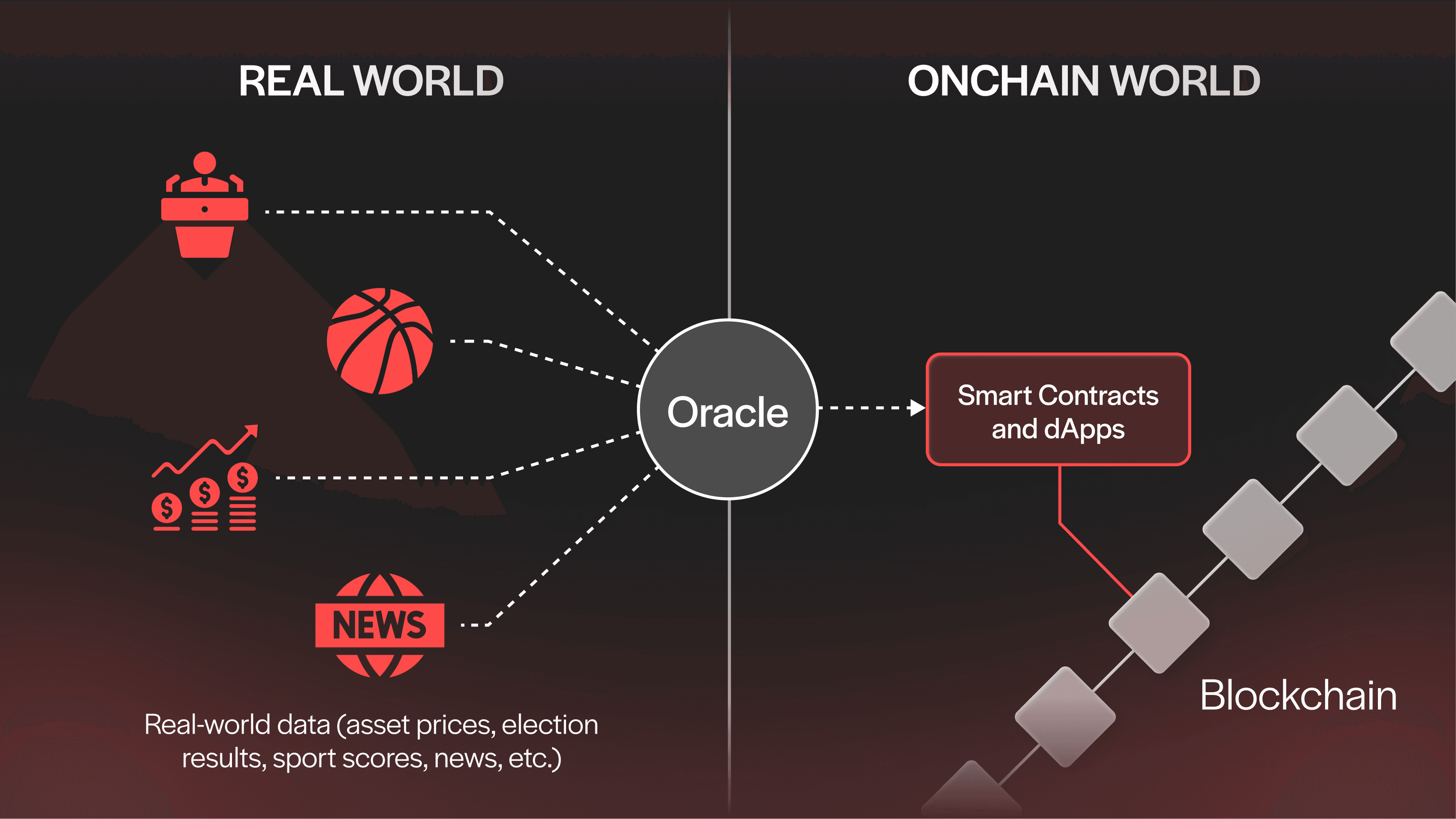
Blockchain oracles have long been the unsung heroes connecting isolated smart contracts to the chaotic real world. They fetch prices, weather data, or sports scores, feeding it on-chain so your lending protocol can adjust rates or your perp exchange can liquidate positions. But traditional setups? They’re like firefighters spraying water non-stop, even when there’s no blaze. Enter event-driven oracles, which wait for the spark – an on-chain event detection like a whale’s deposit or a token crossing a threshold – then unleash precise, tamper-proof data.
Why DeFi Protocols Crave Real-Time Responsiveness
Picture this: a sudden surge in TVL on a DEX triggers arbitrage bots, but your oracle lags by blocks. Poof, opportunity gone. DeFi oracle feeds powered by event logic fix that, activating only on predefined conditions. This slashes costs, boosts efficiency, and minimizes latency – crucial for high-frequency plays in perps or yield farms. Recent shifts show protocols like GMX and Jupiter leaning on Chainlink Data Streams for just this, proving smart contract triggers aren’t optional; they’re survival gear.
Top Advantages of Event-Driven Oracles
-
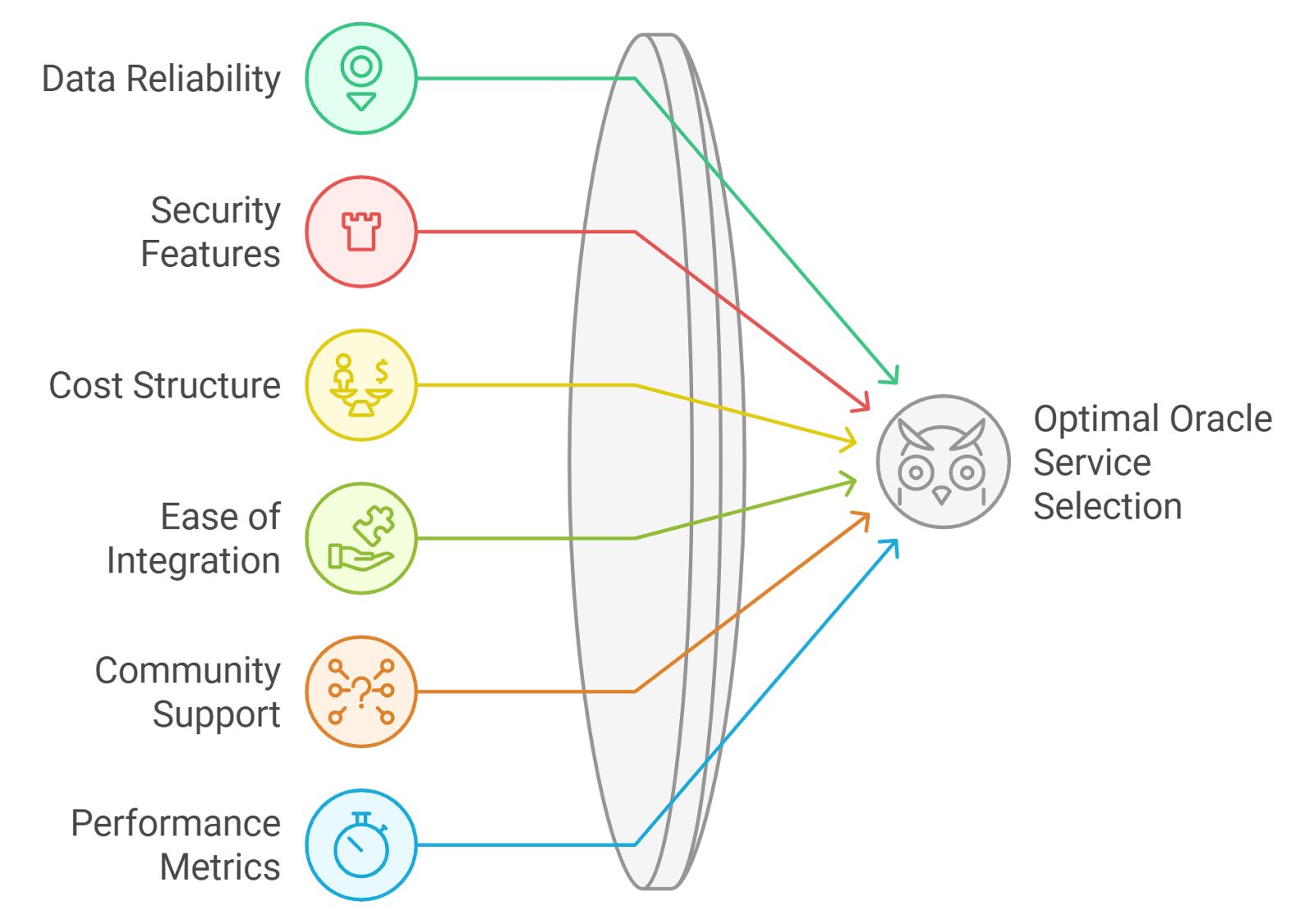
Reduced Gas Fees: Ditch constant polling like in traditional oracles – event-driven ones like Threshold AI Oracles activate only when needed, slashing costs dramatically!
-
Sub-Second Latency: Experience lightning-fast responses with real-time triggers, powering DeFi perps on Chainlink Data Streams and beyond!
-
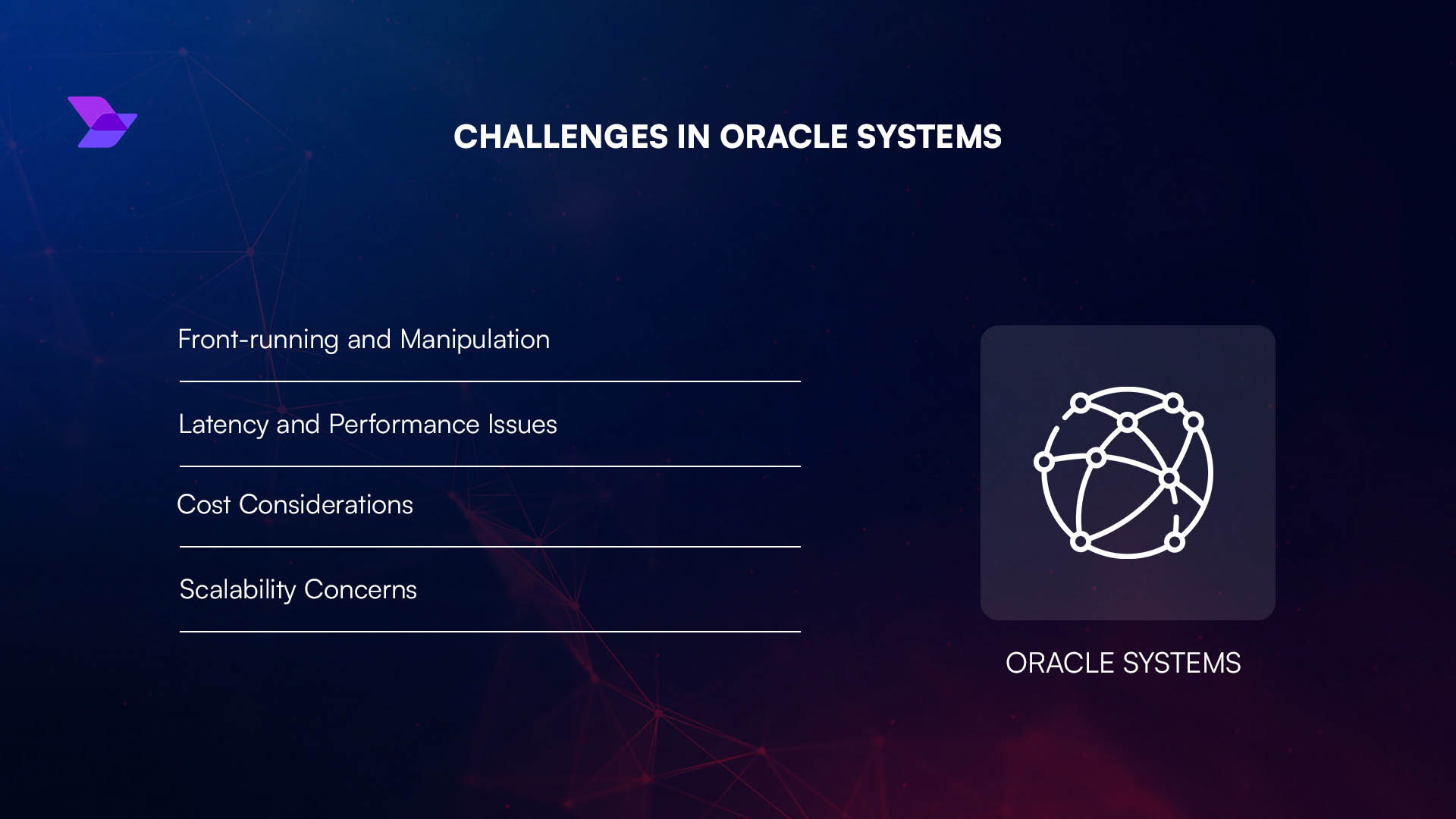
Precise On-Chain Event Detection: Catch every blockchain event spot-on, enabling flawless automation in protocols like Mimic Protocol!
-
Scalable for dApps: Effortlessly handle massive growth for decentralized apps, without the bloat of periodic updates!
-
Enhanced Security via Just-in-Time Feeds: Minimize data exposure with on-demand feeds, boosting trust and safety in real-time DeFi triggers!
I’ve integrated these into my 5D-3M swing setups, catching momentum on liquidity events that traditional oracles miss. The result? Cleaner entries, fatter gains. Developers building the next Uniswap killer should prioritize this; it’s how you outpace the herd.
Breaking Down Traditional vs. Event-Driven Oracles
Classic oracles pull data periodically, like checking your phone every minute for texts. Fine for casual chats, disastrous for DeFi wars. Blockchain event oracles flip to push-based: they monitor streams and pounce on triggers. Think inbound oracles piping real-world events on-chain, or outbound ones executing off-chain based on blockchain signals. Tools like Oracle Wars let you peek under the hood, comparing real-time behaviors from providers. No more blind trust; visualize latencies and pick winners.
This reactive model transforms dApps from static scripts into living systems. Oracles now trigger actions on external changes – a stock dip, a crypto pump – improving everything from automated trading to protocol liquidations. It’s opinion time: if your DeFi stack isn’t event-driven, it’s already obsolete in 2026’s speed game.
Trailblazing Advancements Powering the Future
Threshold AI Oracles from Supra are game-changers, deploying AI agents that watch data feeds 24/7 but only fire when conditions align. Cryptographically verified, they’re perfect for real-time oracle triggers in trading bots or risk engines. Chainlink’s Onchain Workflow Orchestration takes it further, blending off-chain compute with on-chain logic for verifiable flows. Define a trigger like ‘if ETH volatility spikes 20%, rebalance pool’ – boom, executed seamlessly.
Mimic Protocol rounds it out with dynamic task execution on blockchain events, nixing idle ops for token swaps or transfers. These aren’t hypotheticals; they’re live, pushing DeFi toward reactive infrastructures where every event counts. Builders, grab EventOracles. com for tailored triggers – I’ve seen them turn middling strategies into portfolio boosters.
Let’s get hands-on: integrating event-driven oracles isn’t rocket science, but it demands precision. Start by defining your triggers – say, on-chain liquidity exceeding $10M or a price volatility threshold. EventOracles. com shines here, offering plug-and-play APIs that hook into your smart contracts without the usual bloat.
Code Your Way to Lightning-Fast Triggers
Picture deploying a contract that auto-liquidates undercollateralized loans the instant a borrower’s ratio dips. No polling loops eating gas; pure on-chain event detection. Here’s a taste of how it rolls with Solidity and an EventOracles trigger.
Solidity Smart Contract: Real-Time Liquidation with Event-Driven Oracle
Hey there, future DeFi architect! Imagine safeguarding your lending protocol with lightning-fast liquidations triggered by real-time oracle updates. Here’s a battle-tested Solidity example integrating an event-driven oracle. Watch how it checks collateral ratios on the fly—super empowering!
```solidity
// SPDX-License-Identifier: MIT
pragma solidity ^0.8.0;

interface IEventDrivenOracle {
    function getLatestPrice(address asset) external view returns (uint256);
    event PriceUpdated(address indexed asset, uint256 price);
}

contract LendingProtocol {
    IEventDrivenOracle public immutable oracle;
    uint256 public constant LIQUIDATION_THRESHOLD = 150e16; // 150% with 18 decimals

    struct Position {
        uint256 collateralAmount; // in collateral token units
        uint256 borrowAmount;     // in borrow token units
        address collateralToken;
        address borrowToken;
    }

    mapping(address => Position) public positions;

    constructor(IEventDrivenOracle _oracle) {
        oracle = _oracle;
    }

    function depositCollateral(address user, uint256 amount, address collatToken) external {
        positions[user].collateralAmount += amount;
        positions[user].collateralToken = collatToken;
        // Token transfer logic omitted for brevity
    }

    function borrow(address user, uint256 amount, address borrowToken) external {
        require(getCollateralRatio(user) > LIQUIDATION_THRESHOLD, "Insufficient collateral");
        positions[user].borrowAmount += amount;
        positions[user].borrowToken = borrowToken;
        // Token transfer logic omitted for brevity
    }

    function getCollateralRatio(address user) public view returns (uint256) {
        Position memory pos = positions[user];
        if (pos.borrowAmount == 0) return type(uint256).max;

        uint256 collateralValue = (pos.collateralAmount * oracle.getLatestPrice(pos.collateralToken)) / 1e18;
        uint256 borrowValue = (pos.borrowAmount * oracle.getLatestPrice(pos.borrowToken)) / 1e18;

        if (borrowValue == 0) return type(uint256).max;
        return (collateralValue * 1e18) / borrowValue;
    }

    // Permissionless real-time liquidation trigger
    function liquidate(address user) external {
        uint256 ratio = getCollateralRatio(user);
        require(ratio < LIQUIDATION_THRESHOLD, "Position not liquidatable");

        Position memory pos = positions[user];
        // Simplified liquidation: repay debt, seize collateral
        // In production: partial liquidation, bonuses, etc.
        delete positions[user];

        // Emit event, transfer seized collateral to liquidator
        // Omitted for brevity
    }
}
```
Boom! That's your real-time liquidation engine in action. Off-chain bots tune into the oracle's PriceUpdated events, scan ratios, and call liquidate() instantly. You're not just coding—you're revolutionizing DeFi. Deploy this, tweak it, and dominate the chain! 🚀
That snippet? It's the blueprint for turning reactive dreams into DeFi reality. Test it on testnets, tweak thresholds, and watch your protocol hum. I've wired similar logic into my forex-crypto swings, nailing entries on EventOracles. com pings for liquidity surges. Developers, this is your cheat code - scalable, secure, and stupidly efficient.
But don't take my word; let's stack up the players. Traditional pull oracles versus the new guard of push-based beasts.
Comparison: Traditional Polling Oracles vs Event-Driven Oracles
| Latency | Gas Cost | Use Cases | Scalability |
|---|---|---|---|
| High: Relies on periodic data updates, causing delays (seconds to minutes); Cons: Inefficient for real-time needs | High: Frequent polling queries consume significant gas; Cons: Resource-intensive | Stable price feeds, batch data reporting; e.g., traditional Chainlink price oracles | Poor: Limited by polling frequency and blockchain congestion; struggles with high-volume data |
| Low: Triggers only on specific events/conditions for near-instant response; Pros: Ideal for time-sensitive apps | Low: Activates just-in-time, minimizing unnecessary computations; Pros: Cost-efficient | Real-time DeFi perps (GMX, Jupiter via Chainlink Data Streams), automated trading/liquidations (Threshold AI Oracles), on-chain workflows (Chainlink), event-triggered tasks (Mimic Protocol) | Excellent: Efficient scaling with event volume; handles high-throughput without constant overhead |
See the gap? DeFi oracle feeds like these crush it in perps, AMMs, and yield optimizers. GMX thrives on sub-second updates; your dApp can too. And with tools like Oracle Wars dashboards, benchmarking becomes your superpower - spot the laggards, crown the kings.
Real-World Wins: Protocols Leveling Up
GMX and Jupiter aren't alone. Supra's Threshold AI Oracles power AI-monitored feeds that snap into action on market shocks, verifying events cryptographically for bulletproof trades. Chainlink's orchestration? It's scripting complex workflows - think multi-step rebalances triggered by on-chain whales. Mimic. fi executes swaps on event cascades, slashing idle compute.
These aren't fluff pieces; they're battle-tested. One builder I follow slashed liquidation delays by 80%, juicing user retention. As a swing trader, I layer these into my toolkit for 5D setups - catch the liquidity wave, ride it to 3M holds. Crypto innovators, if you're still on cron-job oracles, wake up. The future is event-first.
Scalability seals the deal. Event-driven setups handle moonshots without buckling - no flood of redundant calls. Security? Just-in-time feeds mean less exposure, fewer attack vectors. Pair with zero-knowledge proofs for privacy-preserving triggers, and you've got a fortress. EventOracles. com leads this charge, tailored for Web3 hustlers chasing that next 10x protocol.
Zoom out: 2026's DeFi isn't about static pools; it's dynamic ecosystems pulsing with smart contract triggers. From automated market makers dodging impermanent loss via real-time rebalances to prediction markets settling on live events, blockchain event oracles are the conductors. Builders who embed them now? They'll own the composability wars.
I've banked consistent wins blending these with technicals - momentum confirmed by oracle pings turns good trades great. Your move: prototype with EventOracles. com, deploy fearlessly, and secure those gains. The chain waits for no one; make it react to you.