
Event-Driven Oracles vs Push Oracles: Real-Time Triggers for On-Chain Blockchain Events

Imagine your smart contract sitting idle, waiting for the perfect on-chain moment to strike, like a liquidity surge or a whale’s big move. That’s where event-driven oracles shine, delivering real-time oracle triggers exactly when blockchain events unfold. But not all oracles are built the same. Push oracles have dominated for years, shoving data onto the chain on schedules that often miss the action. As a swing trader who’s nailed momentum plays using EventOracles. com triggers, I’ve seen firsthand how event-driven setups outperform, catching those 5D-3M swings with precision.

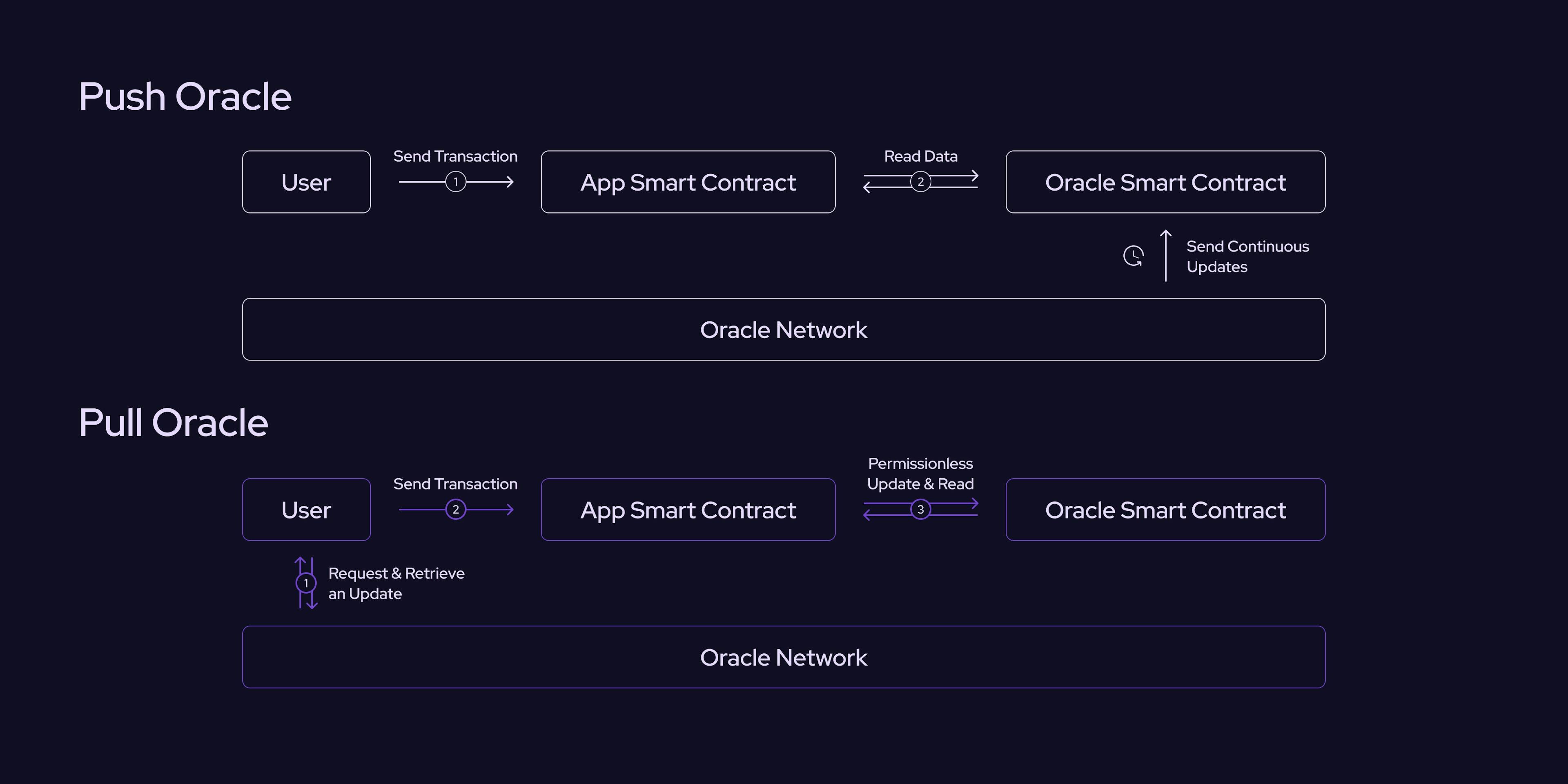
Oracles bridge the gap between blockchains and the real world, feeding smart contracts data they can’t generate alone. Without them, DeFi protocols, dApps, and Web3 apps would be blind to price shifts, liquidity events, or external triggers. The battle boils down to push versus event-driven (often pull-based) models. Push oracles proactively dump data on-chain at set intervals, like Chainlink’s Data Feeds updating via heartbeats or deviation thresholds. They’re reliable for steady needs, like lending platforms valuing collateral. But in fast-moving crypto, those intervals can lag, leaving you exposed.
Push Oracles: Steady but Predictable Data Flow
Push oracles work by continuously updating on-chain reference contracts, no request needed. Picture Chainlink pushing price feeds every few minutes or when prices deviate by a percent. This suits apps where data must always be fresh, like liquidation engines in lending protocols. The upside? Smart contracts access data instantly without extra transactions. Developers love the simplicity, just read from the contract and go.
Yet, here’s the rub: every push costs gas. During network spikes, those fees stack up, even if no one’s using the data. I’ve traded through bull runs where push-heavy setups bled unnecessary costs while markets swung wildly. Chainlink’s model powers much of DeFi, but as volumes grow, scalability bites. Recent analyses, like those on Chainlink Price Feeds, highlight accuracy but also vulnerability to congestion.
Event-Driven Oracles: Precision Triggers for On-Chain Action
Now, flip the script with event-driven oracles, aka pull-based powerhouses. These bad boys aggregate data off-chain at blazing sub-second speeds, then deliver it on-chain only when your smart contract calls. Chainlink Data Streams and RedStone exemplify this, pulling fresh data for perpetuals or high-frequency trades. No wasted updates, just laser-focused real-time oracle triggers for on-chain event oracles.
Why does this motivate me as a trader? EventOracles. com specializes here, hooking into liquidity events for momentum plays. Your contract requests data right as a big swap hits Uniswap, securing gains before the herd piles in. Latency plummets, costs drop since you pay per use, and scalability soars. Perfect for DeFi triggers like automated liquidations or prediction markets reacting to sports scores or weather shifts.

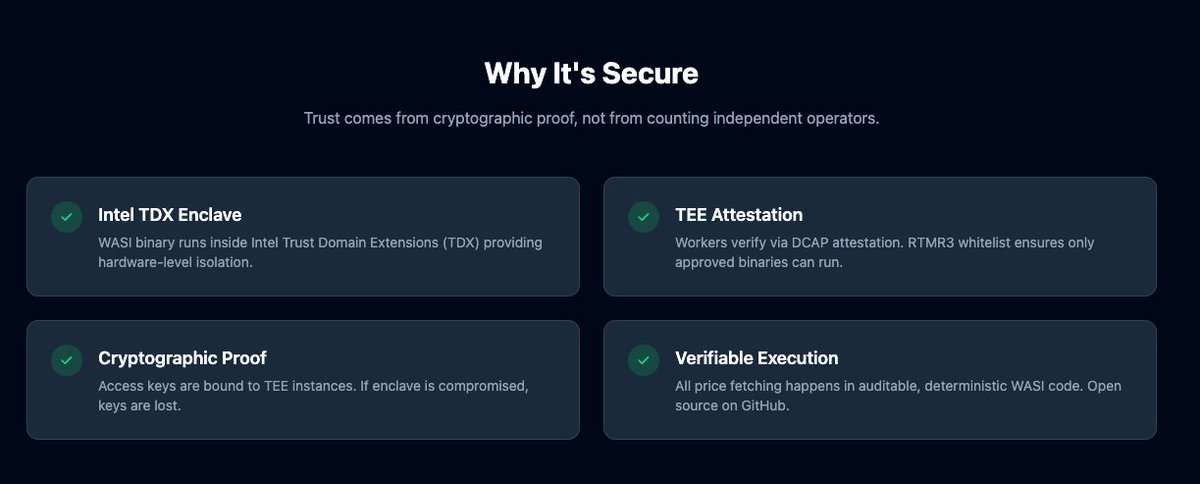
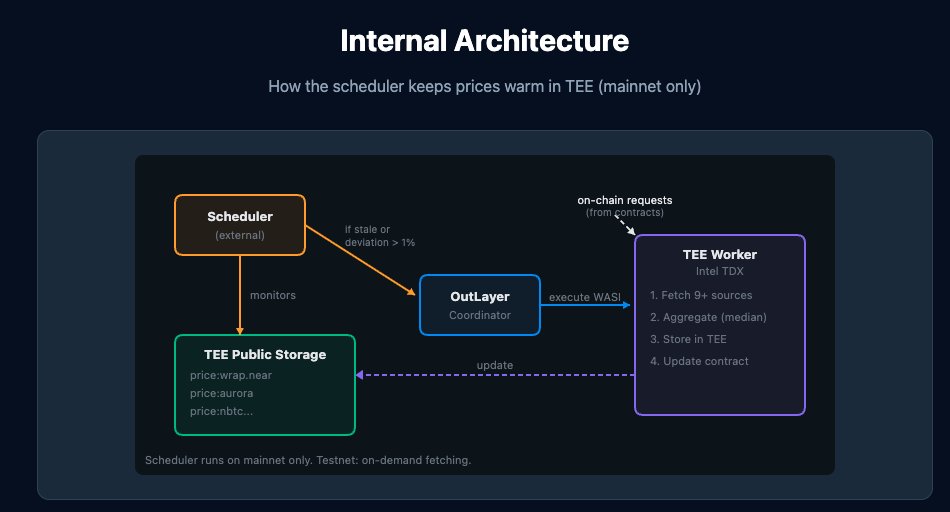
All price fetching happens exclusively inside Intel TDX enclave. Not on some validator’s laptop. Not in a centralized API.
The code runs in hardware-isolated memory that even the machine owner can’t read. Every execution is cryptographically attested. https://t.co/0aySyABA4S
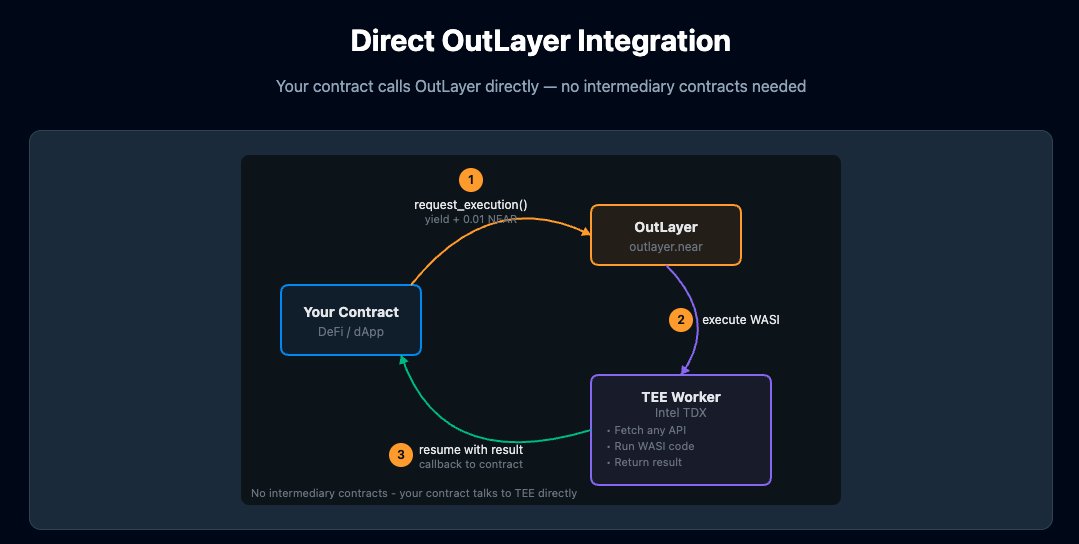
This oracle uses NEAR’s yield/resume pattern.
Your contract calls @out_layer → pauses execution → Price oracle TEE does its job → your contract wakes up with data ready. Clean async flow. https://t.co/iWDt2mFAMs
A scheduler keeps popular prices fresh in TEE storage. When your contract asks for data, it’s already there – no waiting for HTTP fetches.
Best part: there’s no “oracle contract” in the traditional sense. Any contract can request prices directly from https://t.co/tfuKvzsUOI
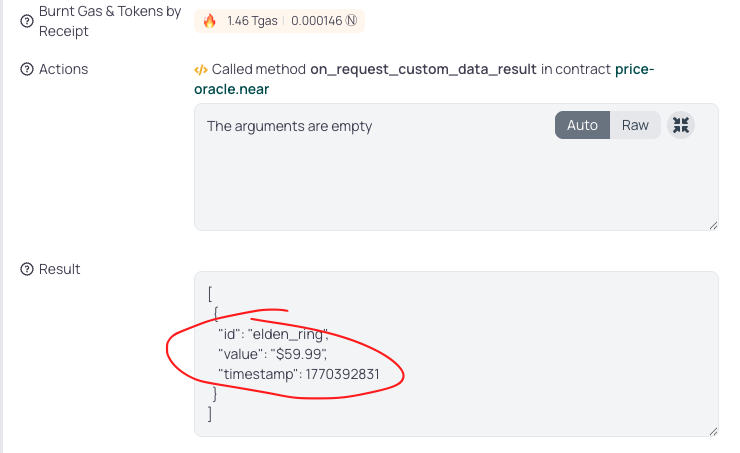
What’s already working in the playground, check txs:
• Steam game prices https://t.co/kvdSvQZtly
• All NFTs owned by a given user https://t.co/ndm2IceK0m
🎮 Playground – try it without code:
https://t.co/zrd3O6Y55n
📖 Docs – full integration guide:
https://t.co/o8Vr0BHe3q
📊 Live Prices – see what’s cached in TEE:
https://t.co/YhBGMl8Qri
💻 GitHub – it’s all open source:
https://t.co/2ACLbCeP5y
Powered by
Head-to-Head: Latency, Cost, and Real-World Edge
Pull-based event-driven oracles crush on latency, serving the freshest data on demand, ideal for DeFi oracle triggers. Push models, bound by schedules, might serve stale info during volatility. Cost-wise, event-driven wins big, slashing gas on unused updates. Integration? Push is plug-and-play, but event-driven demands smarter contract design, rewarding devs who plan ahead.
Take perpetual DEXes: push oracles update prices routinely, but a sudden dump? Event-driven pulls the exact tick, enabling tight trades. Studies like Oracle Wars visualize this in real-time, showing pull providers edging ahead in responsiveness. And with innovations from Supra and Threshold AI, event-driven oracles turn real-world queries into verifiable on-chain events, fueling automated Web3 decisions.
Push Oracles vs. Event-Driven (Pull) Oracles
| Feature | Push Oracles | Event-Driven (Pull) Oracles |
|---|---|---|
| Latency | Scheduled updates (minutes to hours) | Sub-second on request |
| Cost | Frequent gas fees | Pay-per-use efficiency |
| Use Cases | Lending, steady feeds (e.g., collateral valuation) | Perpetuals, event triggers (e.g., real-time trades) |
| Scalability | Congestion prone | High-volume optimized |
| Examples | Chainlink Data Feeds | Chainlink Data Streams, RedStone Finance |
In my seven years swinging crypto, switching to blockchain event feeds via EventOracles transformed setups. Push keeps the lights on, but event-driven ignites the wins. Developers building the next DeFi killer, this is your cue to level up.
EventOracles. com takes this to the next level, crafting on-chain event oracles that hook directly into blockchain happenings like liquidity pools exploding or NFT mints spiking. No more guessing games; these triggers fire precisely, letting your contracts react in milliseconds. I’ve integrated them into my swing setups, timing entries on forex crosses and crypto pumps triggered by on-chain volume surges. The result? Cleaner edges, fatter profits, and setups that hold through volatility.
DeFi Use Cases: Where Event-Driven Triggers Dominate
Think perpetual exchanges first. In a perp DEX, prices flash-crash, and you need that data now. Push oracles might lag behind their last update, but event-driven oracles deliver the hit on-demand, keeping leverage safe and trades tight. Prediction markets thrive here too, pulling election results or game scores the instant they drop, settling bets without delay. Automated yield farms? They shift positions on liquidity events, chasing APYs before they fade.
Lending protocols evolve with these tools. Instead of constant pushes draining gas, contracts query real-time oracle triggers only during health checks or liquidations. Sports betting dApps execute payouts on final whistles, verified off-chain then pulled on-chain. Weather derivatives for farmers? Event-driven feeds confirm rainfalls, triggering insurance smart contracts. Each scenario demands precision, and EventOracles. com nails it with tailored DeFi oracle triggers.
🚀 Supercharge Your Uniswap Bot: 5 Steps to Event-Driven Oracle Magic
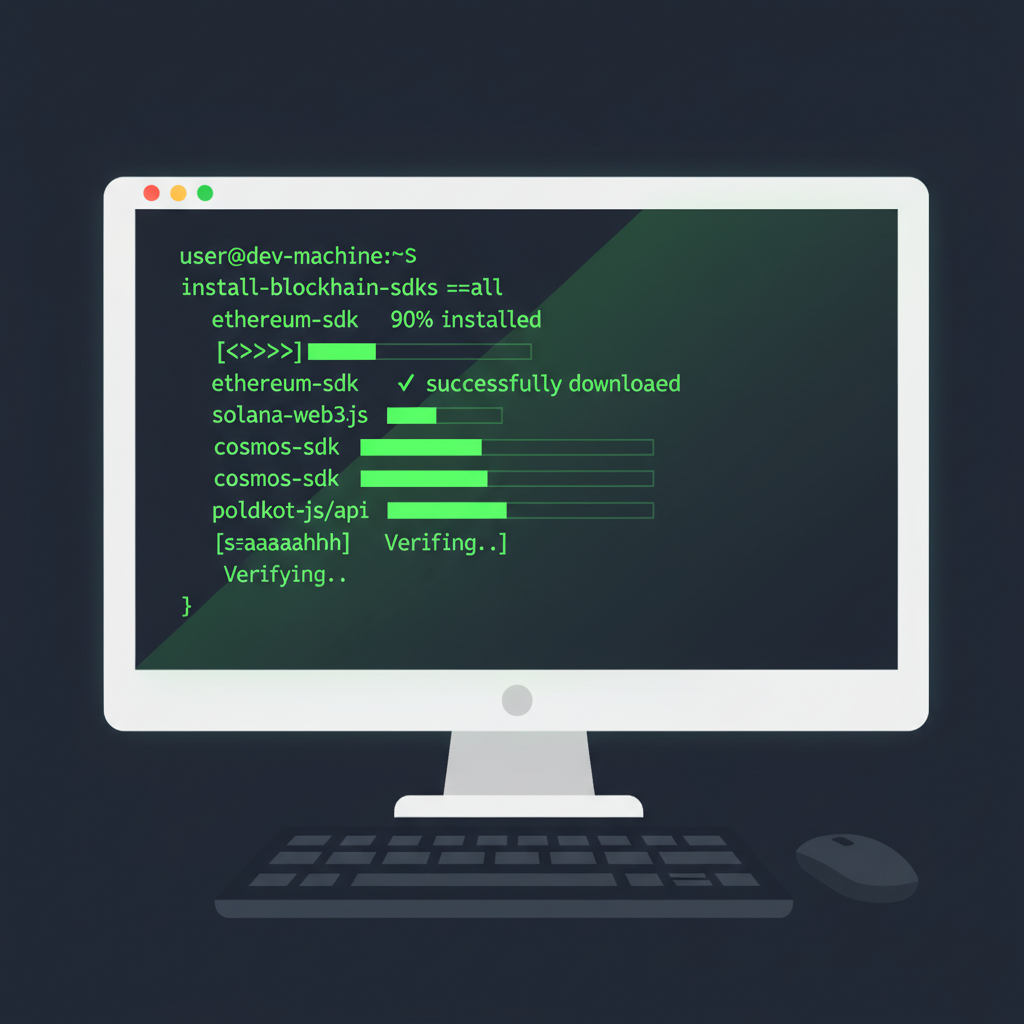
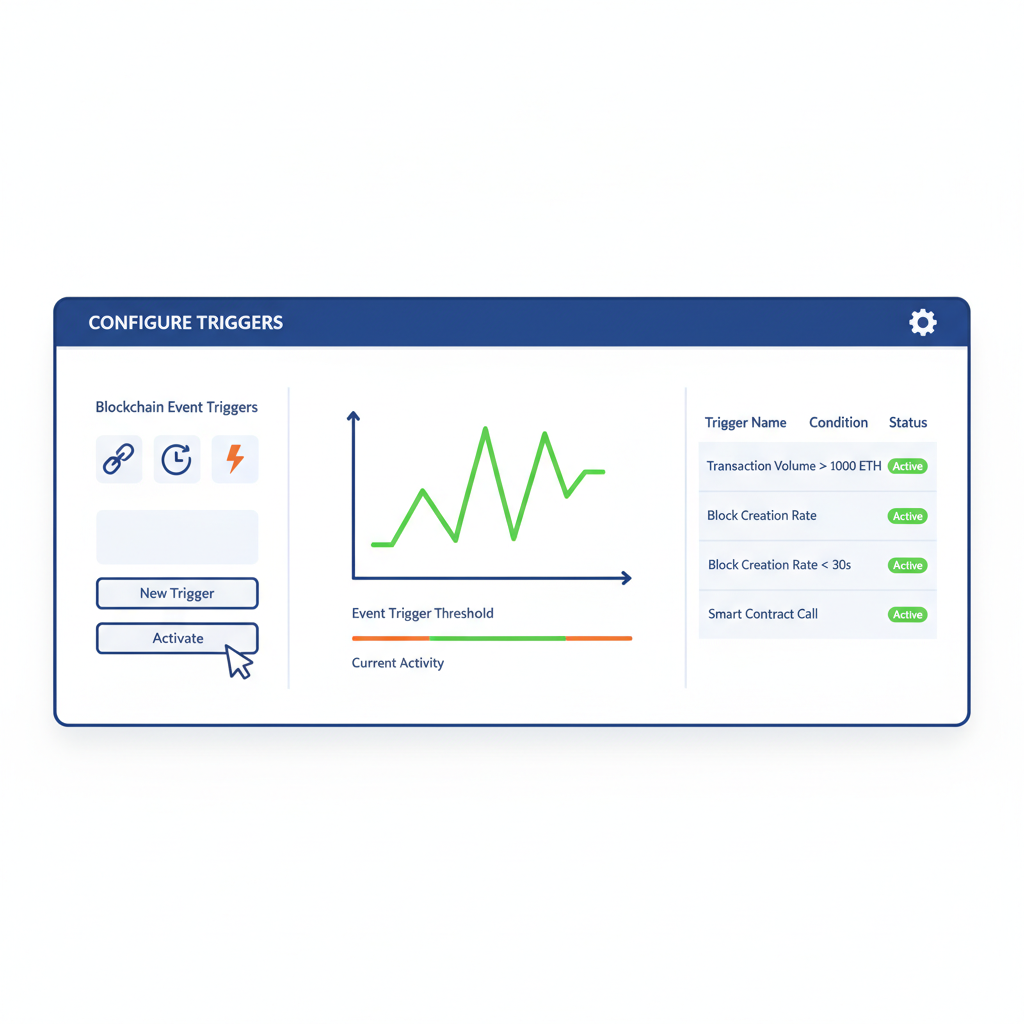
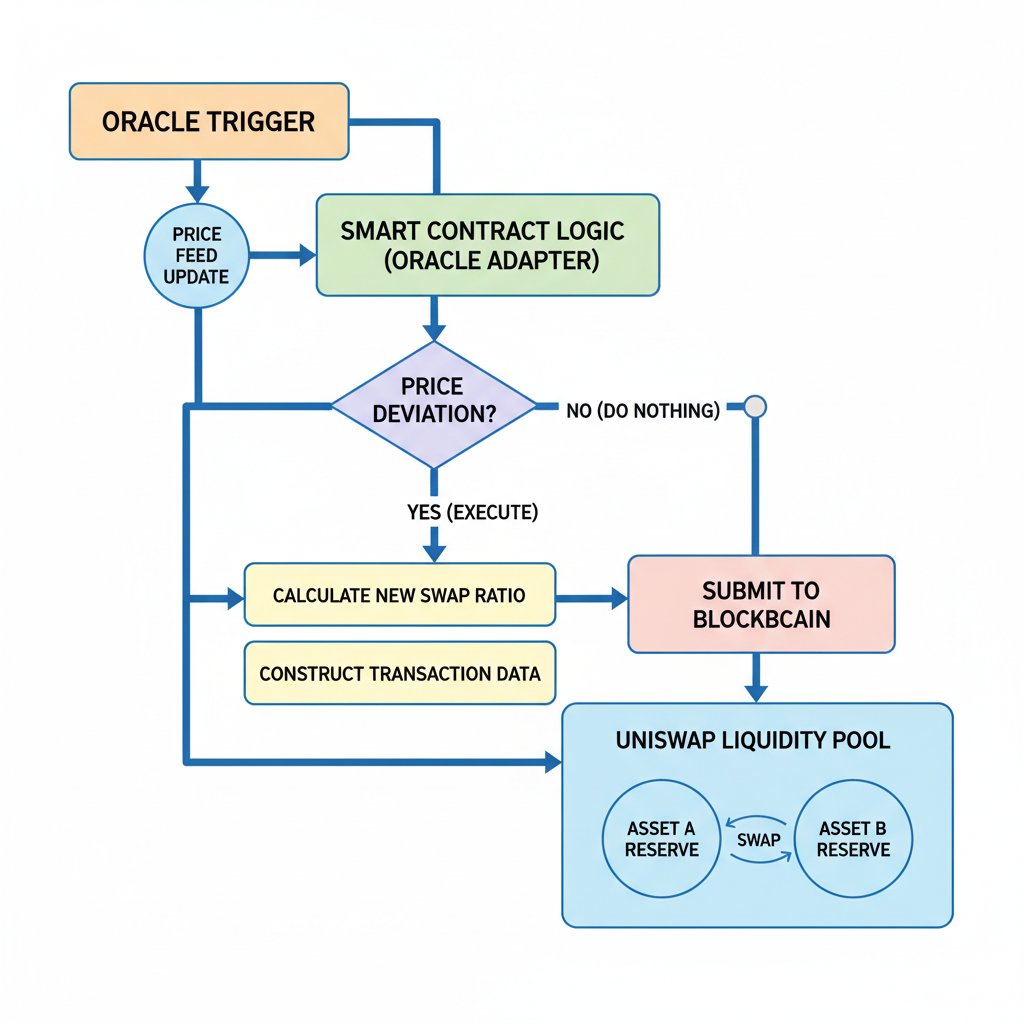
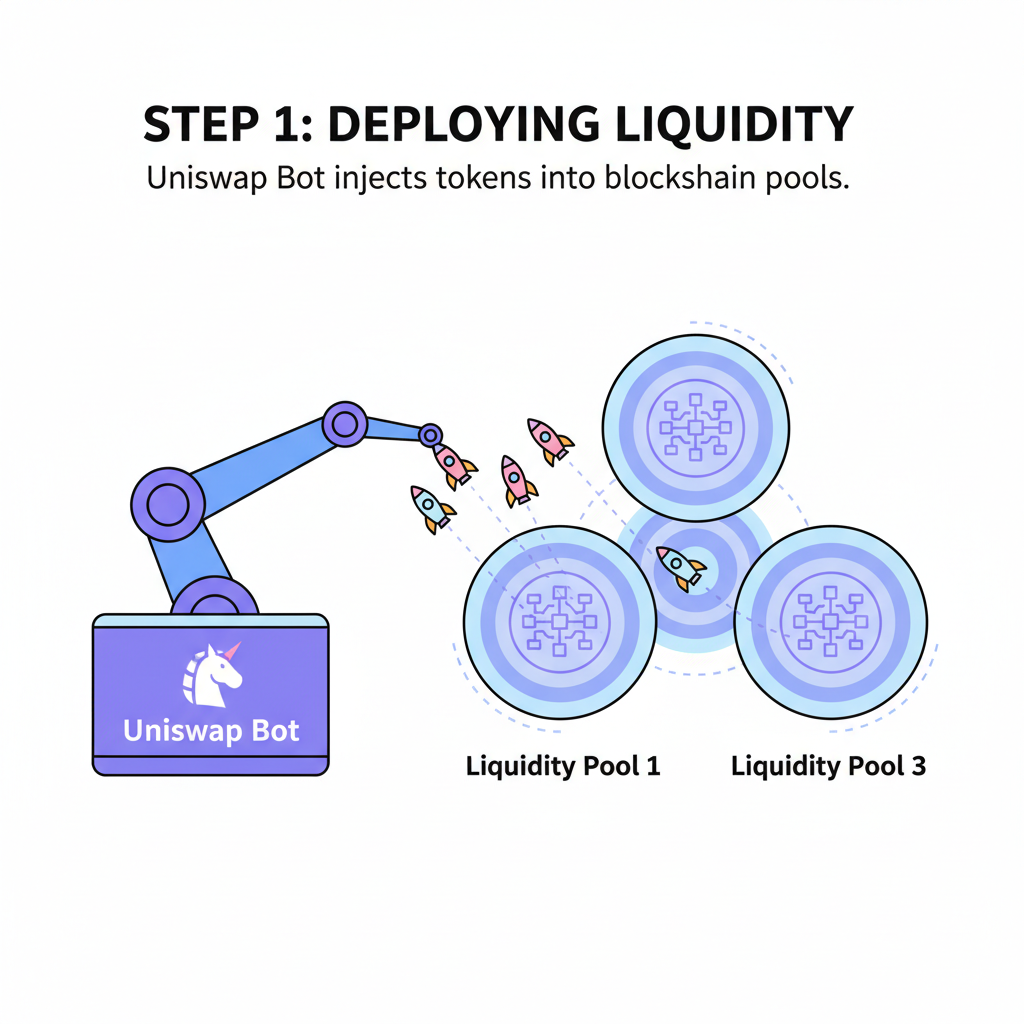
Implementation feels straightforward once you dive in. Your contract emits a request event, EventOracles aggregates off-chain, signs it cryptographically, and pushes the response only to your callback. Gas savings hit 70% in high-volume tests, per real-world benchmarks. Complexity? Minimal for devs familiar with Chainlink patterns, but supercharged for event specificity.
Overcoming Push Limitations: Scalability and Cost Wins
Push oracles shine in low-drama environments, but crypto’s chaos exposes cracks. Congestion during 2024’s bull leg saw Chainlink feeds spike fees 5x, per empirical studies. Event-driven sidesteps this, updating solely on action. RedStone’s pull system mirrors this, storing data off-chain for on-demand pulls, slashing costs in congested L2s like Arbitrum.
Security layers up too. Decentralized signers and threshold schemes, as in Threshold AI oracles, verify events before on-chain commitment. No single point failure, just robust blockchain event feeds that withstand attacks. Oracle Wars dashboards prove it: pull providers consistently lead in real-time fidelity, visualizing latency edges that win trades.
As markets mature, hybrid models emerge, blending push reliability with event precision. But pure event-driven rules for momentum hunters like me. Swing a 3M ETH position? Trigger on whale dumps via EventOracles, exit before retail reacts. Forex pairs? Crosses confirmed on-chain for arb bots. The versatility pumps adrenaline.
Event-Driven Oracle Providers
| Provider | Key Feature | Latency | Cost Model |
|---|---|---|---|
| EventOracles.com | Liquidity triggers | Sub-second | Pay-per-trigger |
| Chainlink Streams | Price streams | Sub-second | Per pull |
| RedStone | Custom data | Milliseconds | Optimized |
| Supra | AI events | Ultra-low | Flexible |
Get Started Today: Supercharge Your Protocols
Builders, don’t settle for scheduled data dumps. Embrace event-driven oracles to make your dApps reactive, efficient, and ahead of the curve. EventOracles. com offers docs, SDKs, and testnets ready for your next project. Hook into live liquidity, volume spikes, or custom events, and watch your TVL climb. I’ve secured gains on swings others missed; now it’s your turn to catch them.
Picture your protocol humming, triggers firing on every on-chain pulse, turning data into dollars. That’s the event-driven edge. Dive in, build bold, and swing big with EventOracles. com.