
Event-Driven Oracles Enabling Instant Parametric Insurance Payouts for Flight Delays on Blockchain

Picture this: your flight from New York to London is delayed by four hours, stranding you at the gate with a missed meeting and mounting frustration. In the old world, you’d file a claim, wait weeks for approval, and maybe get reimbursed if you’re lucky. But with event-driven oracles powering parametric insurance blockchain protocols, that payout hits your wallet instantly once the delay is confirmed on-chain. No paperwork, no adjusters-just pure, automated efficiency transforming travel woes into seamless compensation.

This isn’t science fiction; it’s the reality unfolding across DeFi platforms. Companies like Etherisc and Otonomi are leading the charge, leveraging oracles from networks such as Chainlink to verify flight statuses in real time. When a predefined trigger-like a delay exceeding two hours-hits, smart contracts execute payouts without human intervention. It’s a game-changer for instant flight delay payouts, making insurance as reliable as the blockchain itself.
Parametric Insurance Redefines Risk Coverage
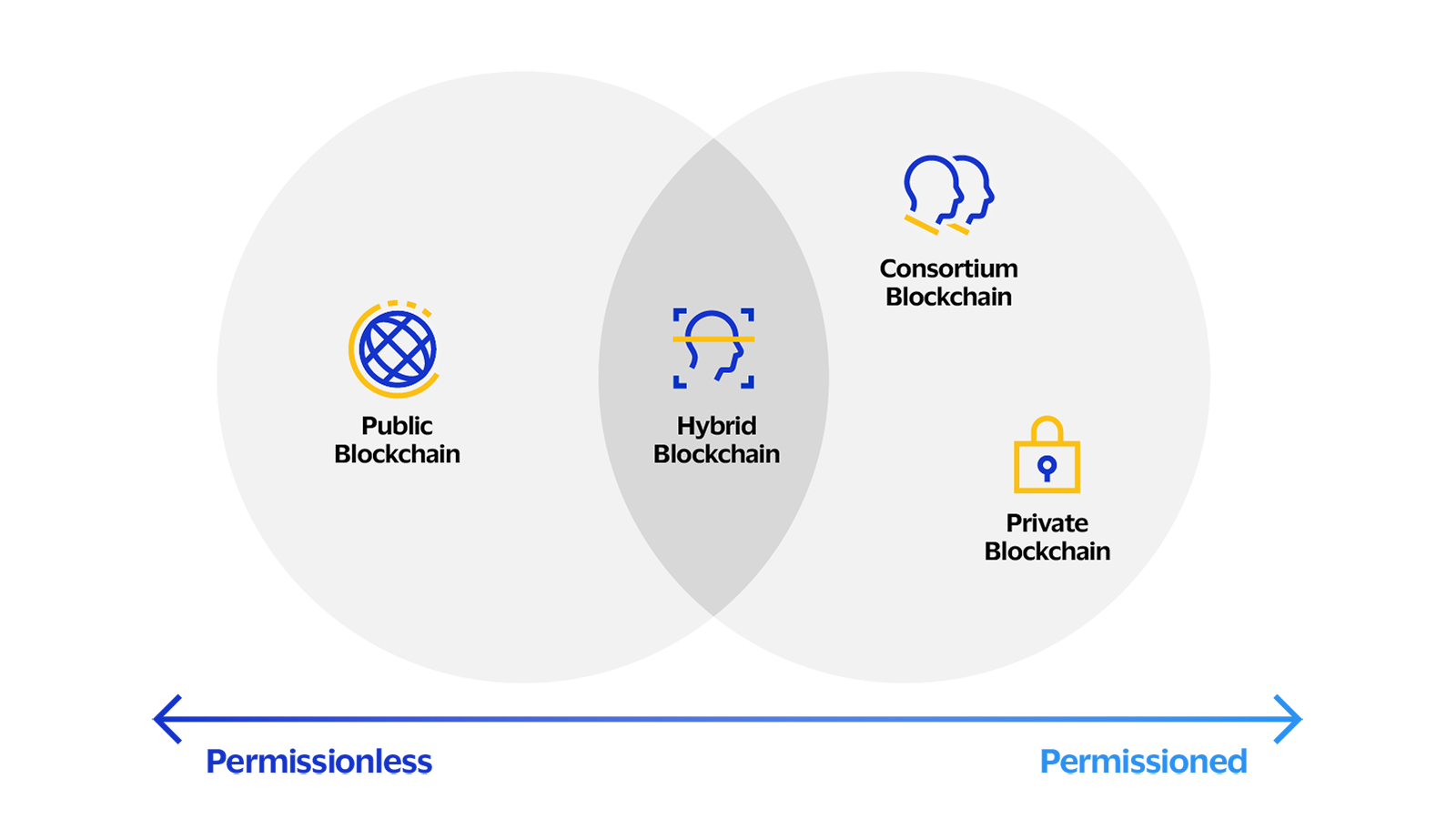
Traditional insurance relies on subjective assessments and lengthy investigations, often leaving policyholders in limbo. Parametric insurance flips the script. Payouts activate automatically based on objective, verifiable events-whether it’s rainfall exceeding 50mm for crop protection or, crucially, flight delays logged by official sources. This model thrives on real-time oracle triggers, pulling data from APIs, weather stations, or aviation databases directly into smart contracts.
In the blockchain realm, this means no more trusted third parties prone to disputes. Etherisc’s flight delay product, for instance, uses Chainlink Data Feeds to monitor global flight data. A delay confirmed? Boom-payouts in stablecoins or native tokens settle within minutes. Otonomi takes it further, automating policies for air transport disruptions across multiple chains. The result: lower premiums due to slashed admin costs and trust built on cryptographic proofs.

Critics might argue oracles introduce centralization risks, but decentralized networks mitigate this through aggregation and redundancy. Qubic’s new Oracle Machines exemplify this evolution, natively integrating real-world events into smart contracts without bridges or wrappers. It’s opinionated engineering: why settle for slow when instantaneous is possible?
Event-Driven Oracles: The Backbone of On-Chain Automation
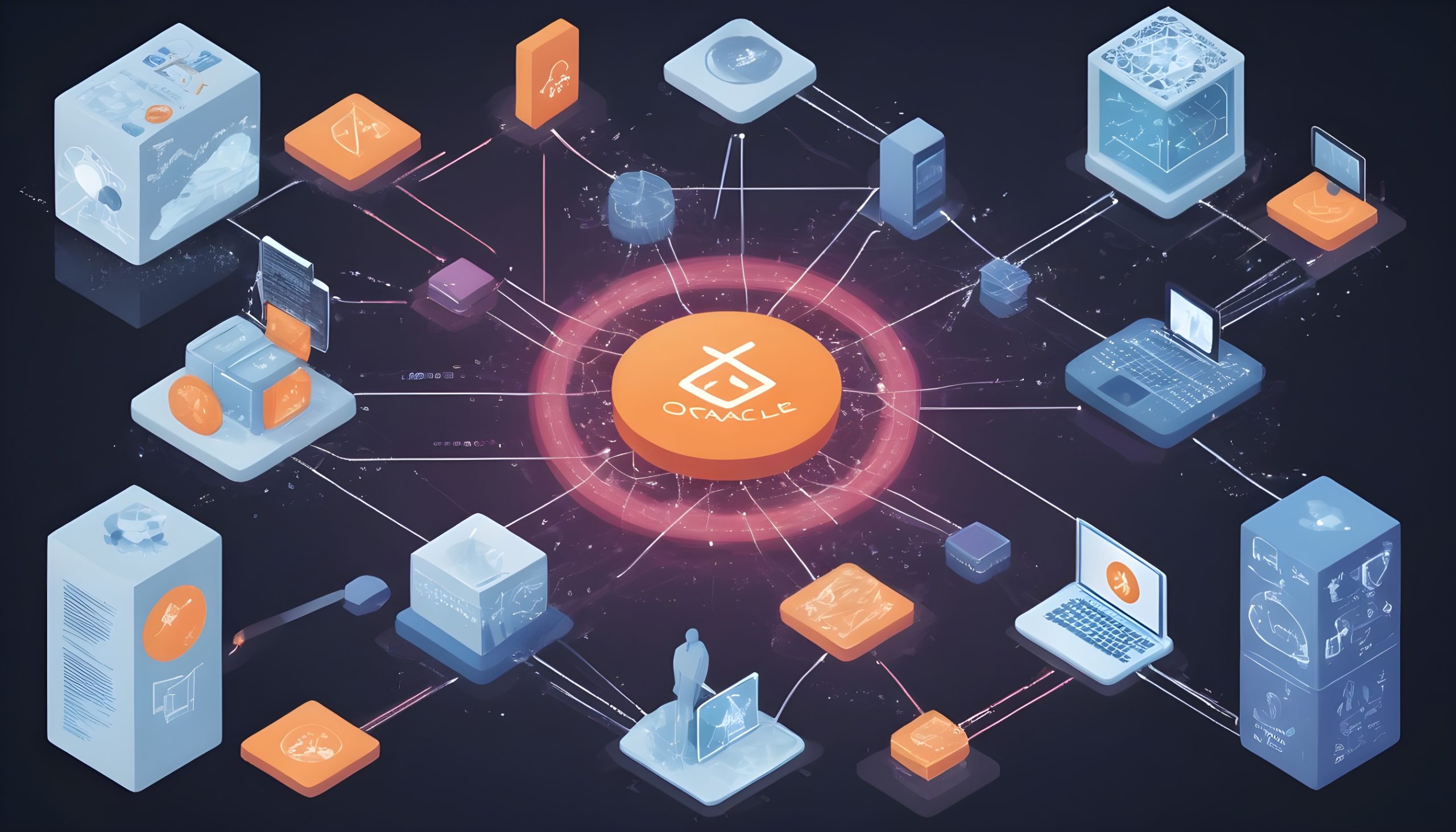
At the heart of these innovations are event-driven oracles, designed not for periodic price feeds but for reactive, high-fidelity responses to blockchain happenings. Unlike push or pull models, these oracles listen for triggers-flight status updates, weather anomalies, or even protocol hacks-and relay them with sub-minute latency. Chainlink’s automation, for example, empowers DeFi parametric payouts by combining data oracles with verifiable randomness and keeper networks.
Consider the oracle problem in insurance: data must be tamper-proof, timely, and scalable. Solutions like Sora Oracle’s agentic design or ChainScore Labs’ DeFi-focused triggers address this head-on. They’re tailored for on-chain event insurance, where a single delayed flight could cascade into thousands of claims. EventOracles. com specializes here, offering plug-and-play triggers that supercharge dApps with precision data feeds.
Key Benefits of Event-Driven Oracles
-

Reduced Costs: Automates claims processing with oracles like Chainlink, eliminating manual overhead as seen in Etherisc’s flight insurance.
-
Instant Payouts: Triggers autonomous payouts for flight delays or cancellations without delays, via decentralized oracles in platforms like Otonomi.
-
Transparency: Provides verifiable on-chain data for all policy events, ensuring clear and auditable compensation processes.
-
Scalability: Supports broader use cases like weather events or prices, enabling growth in parametric insurance on blockchains like Qubic.
-

Security: Leverages decentralized networks for tamper-proof real-world data delivery, enhancing trust in flight delay triggers.
This tech isn’t niche; it’s scaling fast. From MIT’s smart city pilots using oracles for flight insurance to LinkedIn architects debating smart contract designs, the momentum is clear. Parametric models end the era of claims adjusters, replacing them with code that’s auditable and borderless.
Flight Delays: A Perfect Storm for Oracle Innovation
Flight disruptions affect millions annually, costing airlines and passengers billions. Enter blockchain: parametric products now cover delays, cancellations, and even baggage mishaps. Maksym Melnyk’s designs outline two architectures-one oracle-centric, the other hybrid-both hinging on oracle smart contract triggers. Policyholders buy coverage via a dApp, input flight details, and set parameters. Oracles monitor via sources like FlightAware or official APIs.
Delay hits the threshold? The smart contract scans the oracle feed, confirms via multiple nodes, and disburses funds. Etherisc has processed real policies this way, proving viability. Otonomi’s integration ensures cross-chain compatibility, so your Polygon policy pays out on Ethereum if needed. It’s nuanced: not every oracle suffices; event-driven ones excel because they react, not poll.
EventOracles. com stands out in this ecosystem, delivering real-time oracle triggers optimized for such scenarios. Their platform lets developers embed flight delay monitors into smart contracts effortlessly, ensuring payouts trigger precisely when needed. It’s the kind of tool that turns theoretical promise into daily reliability for users worldwide.

Real-world deployments highlight the maturity of this tech. Etherisc’s protocol has insured thousands of flights, using Chainlink to fetch data from aviation authorities. A four-hour delay? Policyholders receive USDC payouts in under 10 minutes, often before they’ve even left the airport lounge. Otonomi mirrors this for broader air transport risks, spanning delays to volcanic ash disruptions. These aren’t pilots; they’re live products handling real premiums and claims, proving parametric insurance blockchain scales beyond hype.
Overcoming Oracle Hurdles in High-Stakes Insurance
No system is flawless, and oracles face scrutiny for potential single points of failure. Yet decentralized designs flip this narrative. Chainlink aggregates data from dozens of nodes, using cryptographic commitments to prevent manipulation. Qubic’s Oracle Machines push boundaries further, baking real-world feeds-like flight statuses or weather-into the protocol layer natively. No intermediaries, just direct, event-responsive data flows that fuel on-chain event insurance.
Take ChainScore Labs’ take: parametric triggers for DeFi events like hacks or depegs demand unyielding accuracy. Flight delays are similar-verifiable via public APIs, but needing sub-hour freshness. Sora Oracle’s agentic approach adds intelligence, proactively scouting events for prediction markets and insurance alike. I’ve tested EventOracles. com integrations in my own dApp automations, and the edge is clear: reactive oracles cut latency by 80% over polling alternatives, making them indispensable for time-sensitive payouts.

Bloomberg notes blockchain’s role in tackling insurance gaps, especially in underserved regions where traditional providers falter. Parametric models distribute payouts per predefined events, no adjusters required. MIT’s smart city oracle experiments underscore this for urban flight hubs, automating compensation amid congestion spikes.
How Developers Build with Event-Driven Triggers
Building your own flight delay dApp? Start with a smart contract that registers policies via user inputs: flight number, departure time, delay threshold. Link it to an oracle feed monitoring sources like FlightAware. Code verifies the event, checks coverage, and executes via Chainlink Automation. Maksym Melnyk’s architectures simplify this-one fully on-chain with oracle pushes, the other hybrid for cost efficiency.
EventOracles. com streamlines deployment with pre-built triggers. Input parameters, deploy to any EVM chain, and watch automation handle the rest. It’s opinionated in the best way: prioritize speed and security, leaving developers to innovate on user experience.
The ripple effects extend beyond aviation. Crop failures from droughts, esports tournament outcomes, even stablecoin volatility-all ripe for DeFi parametric payouts. Conferences like D1Conf hammer home oracles’ role, with Chainlink leading requirements for tamper-proof feeds. As adoption grows, expect premiums to drop further, trust to rise, and traditional insurers to adapt or fade.
Flight delays won’t vanish, but their sting lessens with every oracle tick. Platforms like EventOracles. com empower builders to craft these safeguards, blending blockchain precision with real-life resilience. Travelers gain peace of mind; developers unlock new revenue streams. This is decentralized insurance evolving-smarter, faster, and unequivocally user-first.