
Event-Driven Oracles vs Polling: Real-Time Triggers for On-Chain DeFi Events

In the pulsating world of decentralized finance, where smart contracts execute trades and liquidations in the blink of an eye, the reliability of off-chain data can make or break a protocol. Event-driven oracles emerge as a game-changer, delivering real-time oracle triggers precisely when on-chain events demand them, sidestepping the inefficiencies of traditional polling. This shift isn’t just technical; it’s a prudent evolution toward scalable, cost-effective DeFi infrastructure that aligns with sustainable growth in blockchain ecosystems.

The Role of Oracles in Bridging On-Chain and Off-Chain Worlds
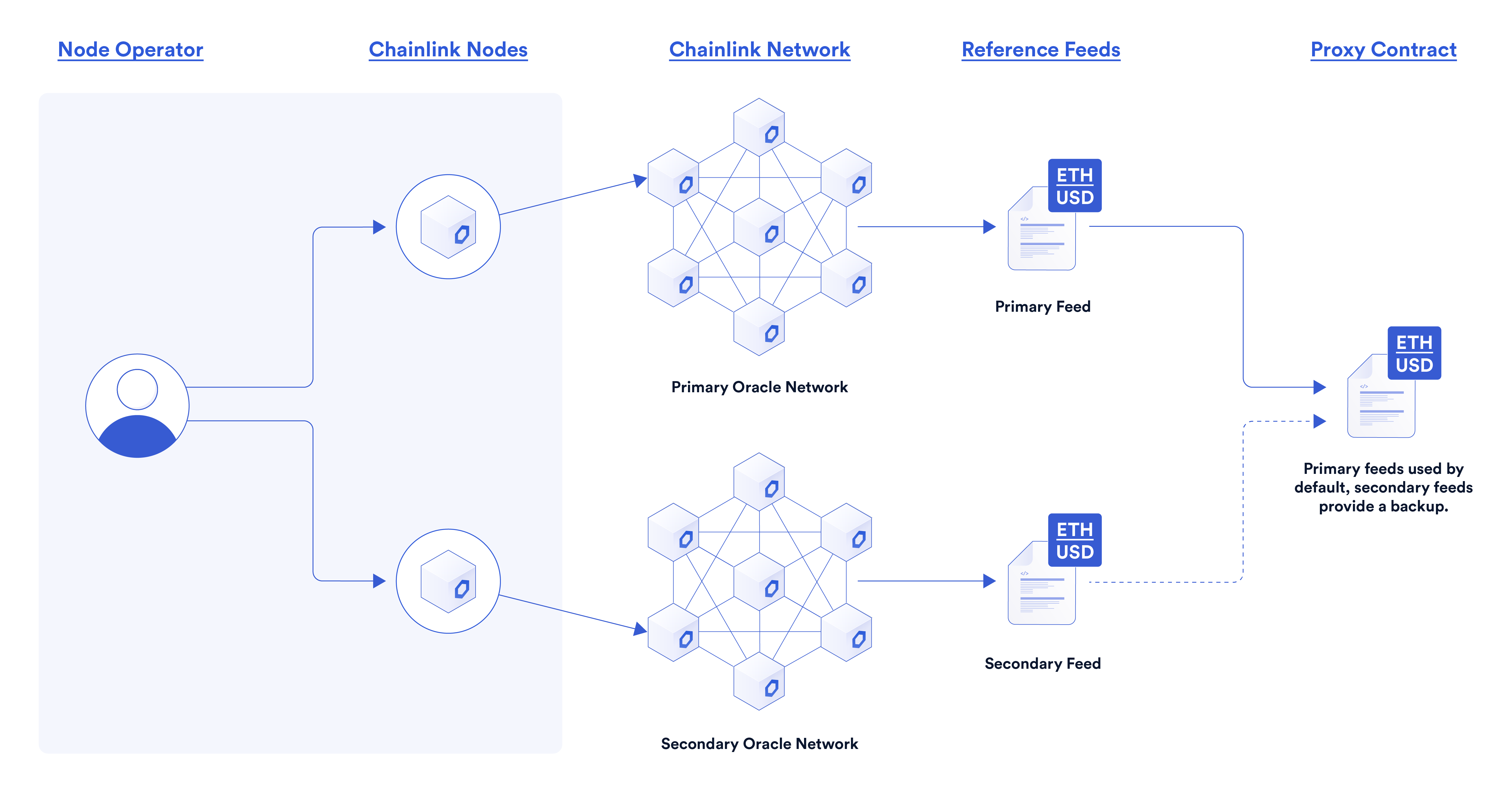
Blockchain oracles act as vital conduits, funneling real-world data into isolated smart contract environments. Without them, DeFi protocols remain blind to asset prices, market events, or external triggers essential for lending, derivatives, and automated trading. Consider a lending platform: it needs instantaneous price feeds to assess collateral values and prevent undercollateralized loans. Traditional blockchains like Ethereum can’t natively access this data, so oracles step in, aggregating inputs from multiple sources to ensure accuracy and decentralization.
From my vantage as someone who’s navigated fixed income markets for decades, the parallel to traditional finance is striking. Just as bond traders rely on timely yield curves, DeFi builders depend on oracles for on-chain decisions. Yet, the delivery mechanism matters profoundly. Oracles vs polling blockchain debates often overlook how constant querying burdens networks with gas fees and delays, echoing the wastefulness of outdated market surveillance systems.
Polling Oracles: Reliable but Resource-Hungry
Polling oracles function like vigilant sentinels, repeatedly querying external data sources at fixed intervals to update smart contracts. This method guarantees data freshness within the polling window, making it suitable for stable, low-volatility scenarios. However, in dynamic DeFi environments, it falters. Imagine a decentralized exchange pinging price APIs every minute; most queries yield unchanged data, inflating costs and congesting the blockchain during peak times.
The drawbacks compound in high-frequency applications. Latency creeps in between polls, potentially missing critical price swings that trigger liquidations or arbitrage opportunities. Moreover, persistent on-chain writes for redundant updates erode DeFi oracle efficiency, a concern amplified on layer-1 networks with soaring gas prices. Sources like S and amp;P Global highlight oracle risks, including centralization in data feeds, but polling exacerbates operational vulnerabilities through sheer volume of transactions.
Polling vs. Event-Driven Oracles: Key Comparison
| Aspect | Polling | Event-Driven |
|---|---|---|
| Latency | High (data updates only at fixed intervals, delays between checks) | Low (immediate response on events or significant changes) |
| Gas Costs | High (frequent queries and updates regardless of data change) | Low (reactive pushes only when needed, reducing congestion) |
| Scalability | Limited (strained by constant querying, especially in high-activity periods) | High (efficient for sporadic events, scales with DeFi demands) |
| Reliability & Security | Consistent but vulnerable to stale data between polls | Enhanced (aggregates multiple sources on triggers, e.g., Chainlink nodes) |
| Use Cases | Stable data needs (e.g., periodic asset prices) | Real-time DeFi triggers (e.g., liquidations, automated trading, DEXs) |
Event-Driven Oracles: Precision Triggers for On-Chain Events
Contrast this with event-driven oracles, which lie dormant until a predefined on-chain event or significant off-chain change activates them. Drawing from Ethereum Virtual Machine events, these systems emit logs for transactions, enabling smart contracts to subscribe and react instantaneously. As Shivank notes on Medium, event triggers slash latency by responding solely when a block event fires, transforming reactive DeFi protocols into proactive powerhouses.
This architecture shines in latency-sensitive arenas like automated trading or protocol-triggered liquidations. Threshold AI Oracles from Supra, for instance, leverage trusted execution environments to meet stringent timing in DeFi. Pyth Network’s pull model complements this by updating data on-demand, but true push-based event-driven setups, akin to Chainlink’s decentralized nodes, aggregate from diverse sources only upon need, bolstering security against manipulation.
In my experience analyzing macro trends, prudence favors mechanisms that compound efficiency over time. On-chain event oracles embody this, minimizing idle resource drain while maximizing responsiveness. They reduce on-chain congestion, lower fees, and scale seamlessly as DeFi adoption surges, positioning protocols for long-term viability amid blockchain’s relentless evolution.
Event-driven oracles don’t just optimize; they redefine how DeFi protocols anticipate market rhythms. In a lending protocol, for example, an oracle might trigger only when a borrower’s collateral ratio dips below a threshold, firing precise liquidation calls without blanket surveillance. This selective activation mirrors the discipline of long-term investing: act decisively on signals, conserve capital otherwise.
DeFi Use Cases Where Triggers Excel
Take decentralized exchanges grappling with impermanent loss. Real-time oracle triggers can push volatility-adjusted prices the moment a liquidity pool imbalance occurs, enabling rebalancing bots to execute swaps before losses compound. Lending giants like Aave or Compound benefit similarly, where event-driven feeds assess flash loan risks instantaneously, averting exploits that polling might delay by seconds, seconds that cascade into millions in a volatile market.
Derivatives platforms amplify this edge. Perpetual futures contracts demand sub-second price oracles to maintain funding rates and avoid oracle manipulation attacks. Here, on-chain event oracles integrate EVM events, logging oracle updates as immutable proofs. Reactive Network’s insights underscore how these logs bridge smart contracts to off-chain realities, fostering trustless automation. My analysis of on-chain fundamentals reveals a pattern: protocols embracing such precision outpace peers in total value locked, compounding user confidence over time.
DeFi Applications Benefiting from Event-Driven Oracles
| Application | Trigger Event | Benefit |
|---|---|---|
| Lending | Collateral ratio breach | Instant liquidation |
| DEX | Pool imbalance | Auto-rebalancing |
| Derivatives | Price deviation | Funding rate adjustment |
| Prediction Markets | Outcome resolution | Payout triggers |
Yet, no system is flawless. Event-driven setups must guard against missed triggers in oracle downtime or adversarial delays. Decentralized aggregation, as in Chainlink’s node networks, mitigates this by requiring consensus from multiple sources before pushing data. Supra’s Threshold AI Oracles add verified computation layers, ensuring even AI-enhanced feeds remain tamper-proof for Web3 events. Prudence demands hybrid vigilance: pair triggers with fallback polling for ultra-critical paths, balancing reactivity with redundancy.
Scalability and Cost Imperatives in Blockchain Evolution
As layer-2 rollups and sharding proliferate, DeFi oracle efficiency becomes non-negotiable. Polling’s constant heartbeat overwhelms these scaled environments, spiking fees during bull runs. Event-driven alternatives scale inversely with event frequency, ideal for sporadic liquidations versus constant DEX quotes. Smals Research equates blockchain transactions to native events, suggesting oracles evolve by natively subscribing to them, slashing intermediary latency.
From equities to crypto, I’ve seen wasteful polling in legacy trading desks give way to event streams. Blockchain builders should heed this: invest in oracles that compound network health. Platforms like EventOracles. com pioneer this, offering tailored event-driven oracles for dApps, ensuring your smart contracts pulse with blockchain happenings without the drag of perpetual checks.
This architectural pivot equips DeFi for maturity. By triggering on substance over supposition, protocols not only cut costs and latency but cultivate resilience. Builders prioritizing these oracles position their projects for enduring dominance in a landscape where every block counts, echoing the timeless wisdom that true efficiency blooms from thoughtful restraint.