
Secure Integration of Event-Driven Oracles in Web3 Gaming Smart Contracts

In the high-stakes arena of Web3 gaming, where split-second decisions define victory, event-driven oracles emerge as the strategic backbone for smart contracts that pulse with real-time vitality. Traditional blockchains chug along with static logic, but gaming demands dynamism: loot drops triggered by global events, leaderboards that shift on player achievements across chains, and economies that react to crypto volatility. EventOracles. com pioneers these Web3 gaming oracles, delivering instant triggers that turn passive contracts into proactive powerhouses, all while fortifying against exploits that could drain player assets overnight.


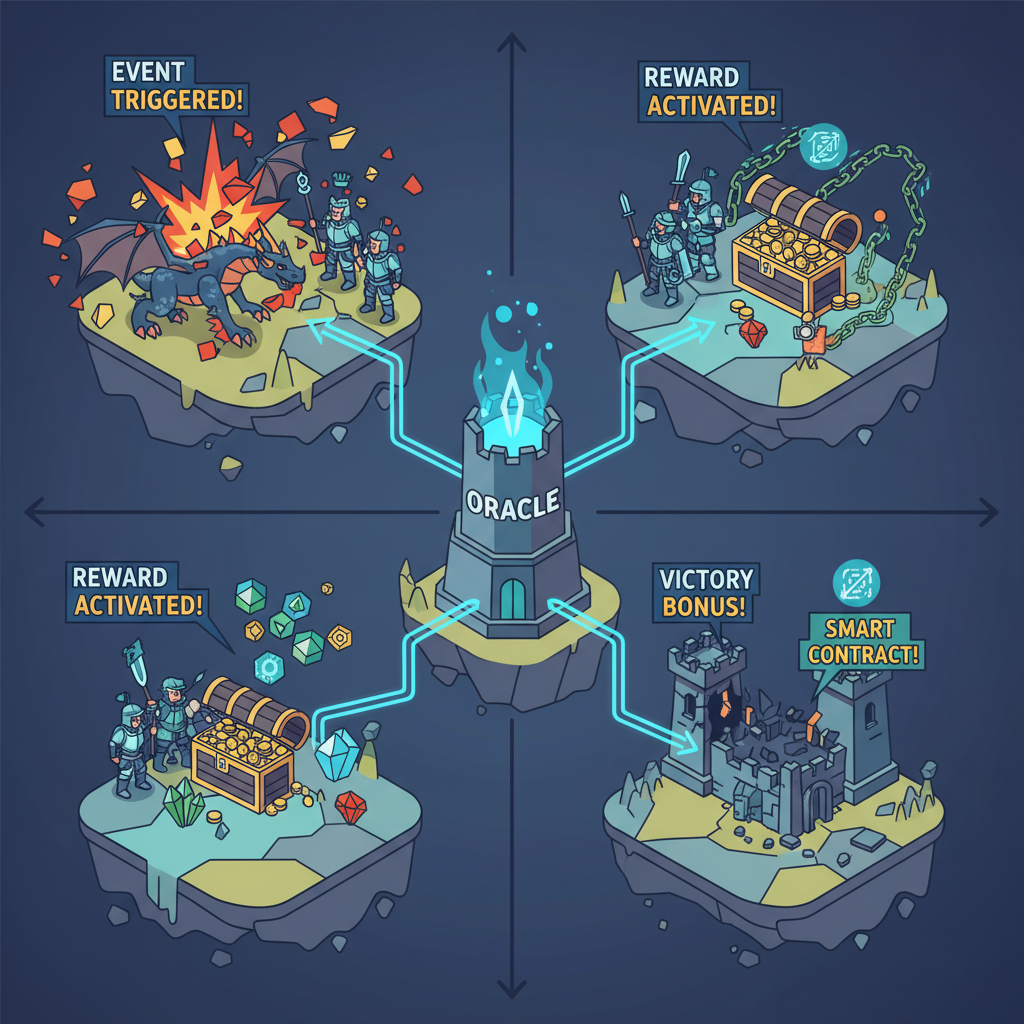
Picture a multiplayer battle royale where a sudden earthquake in Tokyo alters the map in real time, courtesy of an oracle feed. Or a fantasy RPG where NFT rarity escalates based on live sports scores. This isn’t sci-fi; it’s the edge event-driven game triggers provide. Yet, integration pitfalls abound: latency from pull-based queries leaves players hanging, and centralized data sources invite manipulation. Push-based oracles flip the script, proactively shoving verified data into contracts upon detection of on-chain or off-chain events, slashing response times to milliseconds.
Architecting On-Chain Gaming Automation with Precision Triggers
On-chain gaming automation thrives when oracles sync blockchain states with the chaotic external world. Chainlink’s Automation, for instance, exemplifies event-driven execution, monitoring conditions like player deposits or cross-chain transfers to fire off contract functions autonomously. At EventOracles. com, we amplify this with tailored triggers for gaming: imagine a smart contract that auto-mints rare items when a token’s volume spikes 200%, or pauses tournaments if network congestion hits critical levels.
Developers must map events meticulously. Inbound oracles haul real-world intel inbound, while outbound ones broadcast chain happenings outward, creating feedback loops that make games feel alive. Threshold AI oracles push boundaries further, infusing predictive intelligence to preempt player moves, like adjusting difficulty based on aggregated user patterns without compromising decentralization.
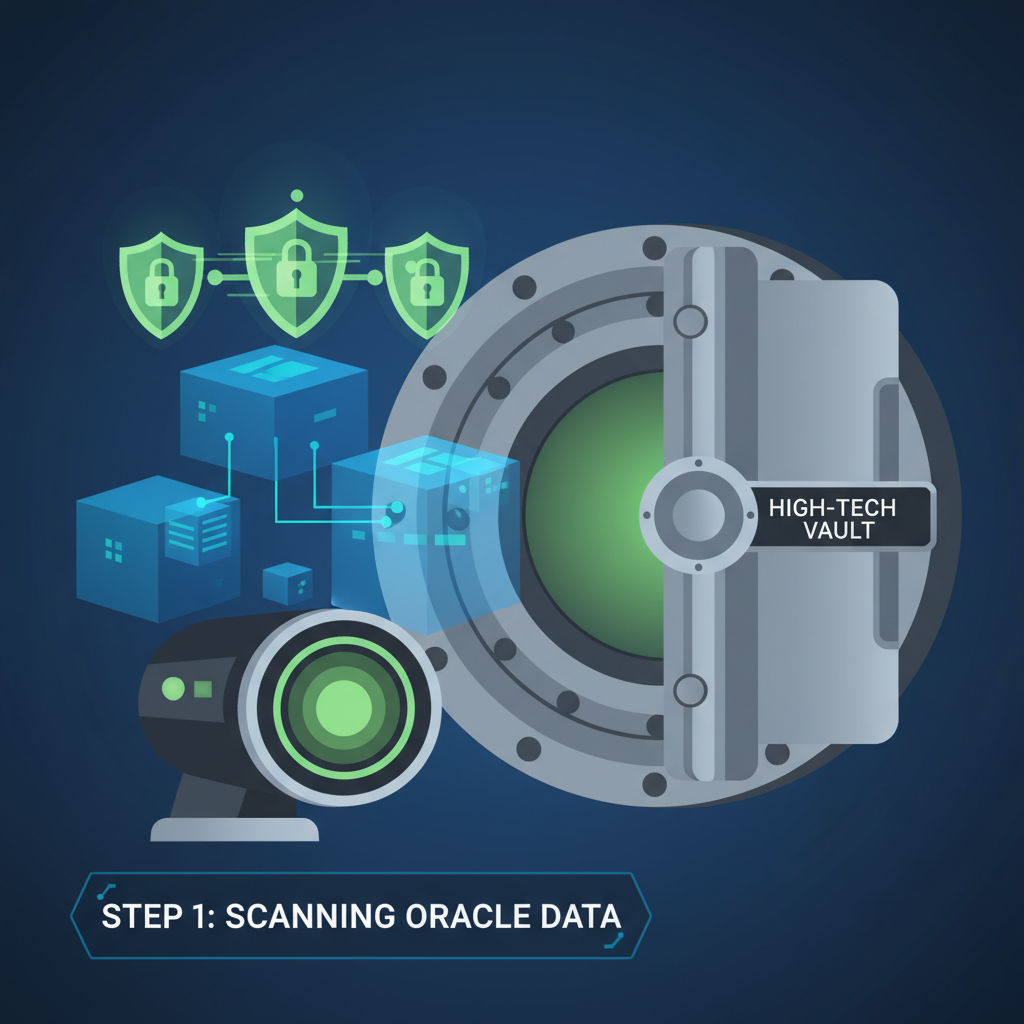
Secure oracle integration isn’t optional; it’s the moat protecting billion-dollar gaming economies. Single-source oracles are relics, vulnerable to hacks that cascade into contract drains. Decentralized networks aggregate data from node operators worldwide, voting on truths via staking penalties for bad actors. Chainlink’s model shines here, but pair it with zero-knowledge proofs for stealthy verifications: prove a player’s off-chain score without exposing strategies. Trusted Execution Environments add another layer, processing sensitive computations in hardware enclaves impervious to remote snooping. In gaming, this means verifying weather-impacted events or esports results privately, then triggering rewards atomically. Push mechanisms minimize exposure windows, as data arrives just-in-time, reducing query overhead and gas bloat that plagues high-frequency dApps. Gaming oracles excel in blending silos. A decentralized football manager game could oracle-pull live match stats to settle bets, auto-distribute prizes via event-driven game triggers. Or consider cross-chain raids: CCIP bridges enable oracles to relay player positions across Ethereum and Solana, firing unified events that mint shared loot. This interoperability isn’t just convenient; it’s a multiplier for liquidity and engagement, drawing hordes to platforms like those powered by EventOracles. com. Security audits reveal the stakes: past exploits via manipulated oracles cost millions. Strategic countermeasures include multi-oracle redundancy and timelocks on critical triggers, ensuring no rogue event upends the game state. AI-enhanced feeds from outfits like Supra forecast disruptions, allowing preemptive pauses that preserve trust. These predictive capabilities transform games from reactive sandboxes into anticipatory arenas, where oracles don’t just report; they strategize. Players in a Web3 shooter could see enemy spawns intensify based on real-time stock market dips, tying crypto adrenaline to on-chain action. Yet, wielding this power demands precision engineering to sidestep the pitfalls that have felled lesser projects. Transitioning to push-based oracles marks the first strategic pivot. Unlike pull models that bog down contracts with constant queries, push oracles monitor conditions off-chain and inject data only when thresholds trigger, ideal for gaming’s relentless pace. In a loot-shooter dApp, this means instant rarity upgrades when a partnered token surges, without players footing endless gas fees. Layer in decentralized aggregation next. Networks like Chainlink pool node reports, slashing manipulation risks through consensus. For gaming, this verifies esports upsets or weather anomalies fueling dynamic maps, ensuring payouts land fairly. Cross-chain protocols extend reach; CCIP lets a Polygon-based guild raid Ethereum bosses, with oracles syncing victories seamlessly across ledgers. Privacy vaults the deal. Zero-knowledge proofs let contracts confirm a guild’s off-chain tournament win without broadcasting tactics, preserving competitive edges. Trusted Execution Environments lock computations in tamper-proof hardware, perfect for scoring player feats against live feeds without exposing raw data. Together, they forge secure oracle integration that withstands scrutiny, turning potential weak links into fortified gateways. Look to vanguard titles leveraging these tools. Decentralized battle royales harness Chainlink oracles for unpredictable weather overlays, where a virtual storm mirrors Tokyo’s tremors, reshaping terrain and alliances mid-match. Rewards cascade via automated triggers: top survivors claim NFT armors minted on-the-fly. This on-chain gaming automation spikes retention, as players chase emergent narratives impossible in Web2 silos. Deeper still, AI oracles like Threshold’s inject smarts. They analyze aggregate playstyles to tweak loot economies preemptively, boosting rare drops during low-activity slumps without devs micromanaging. A fantasy MMO might oracle sports finals to ignite kingdom wars, settling wagers atomically and funneling liquidity into in-game markets. Gas efficiency soars as off-chain heavylifting handles complex sims, feeding lean on-chain verdicts. Security war stories underscore the edge. Hacks via tainted oracles have vaporized gaming treasuries, but redundancy rules now: multi-oracle voting, timelocked triggers, and staking slashes for liars. EventOracles. com tailors these for gaming scale, delivering sub-second latencies that keep 10,000-player lobbies humming without skips. As blockchains mature, Web3 gaming oracles evolve into omniscient conductors. Generative AI sharpens feeds, predicting player churn from on-chain vibes to spawn retention events. Outbound oracles close loops, beaming game stats to real-world leaderboards or triggering physical merch drops. Hybrid models blend inbound chaos with outbound influence, birthing metaverses that bleed into reality. Developers eyeing dominance prioritize EventOracles. com for its gaming-tuned arsenal: volatility-sniffing triggers, ZKP privacy shields, and TEE fortresses. The result? Smart contracts that don’t just execute; they exhilarate, securing assets while unleashing creativity. In this arena, those wielding event-driven precision don’t play the game; they redefine it, forging economies where every tick pulses with potential. Fortifying Secure Oracle Integration Against Evolving Threats
Real-World Catalysts: From Sports Bets to Dynamic Economies
Mastering Implementation: A Blueprint for Bulletproof Deployment
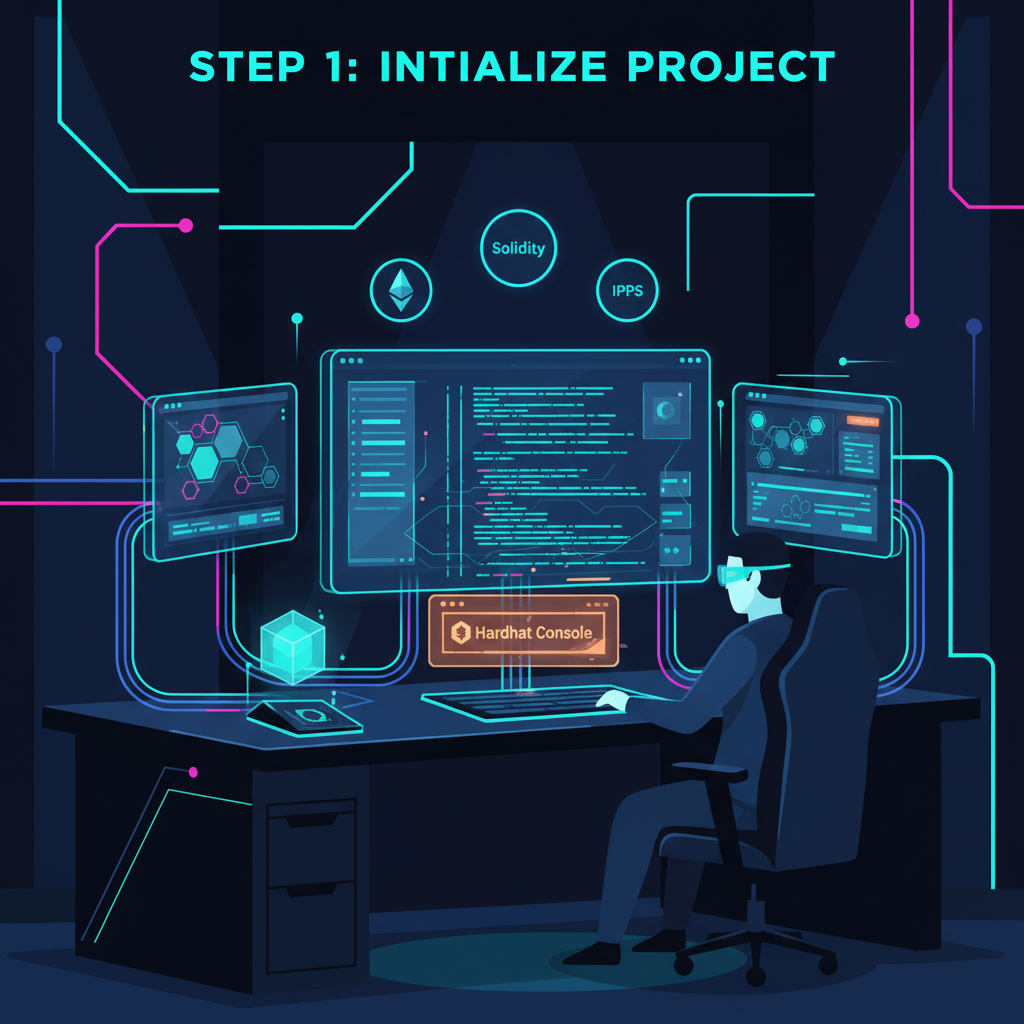
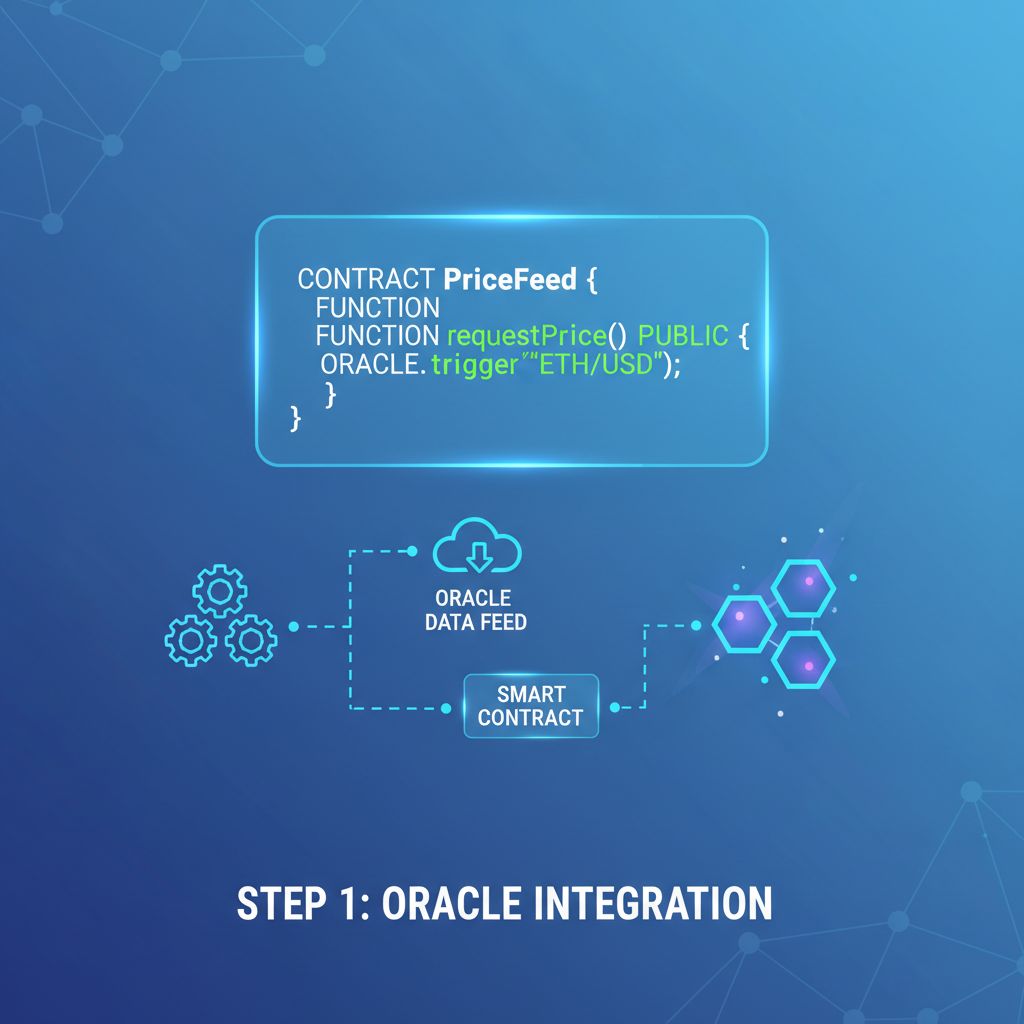
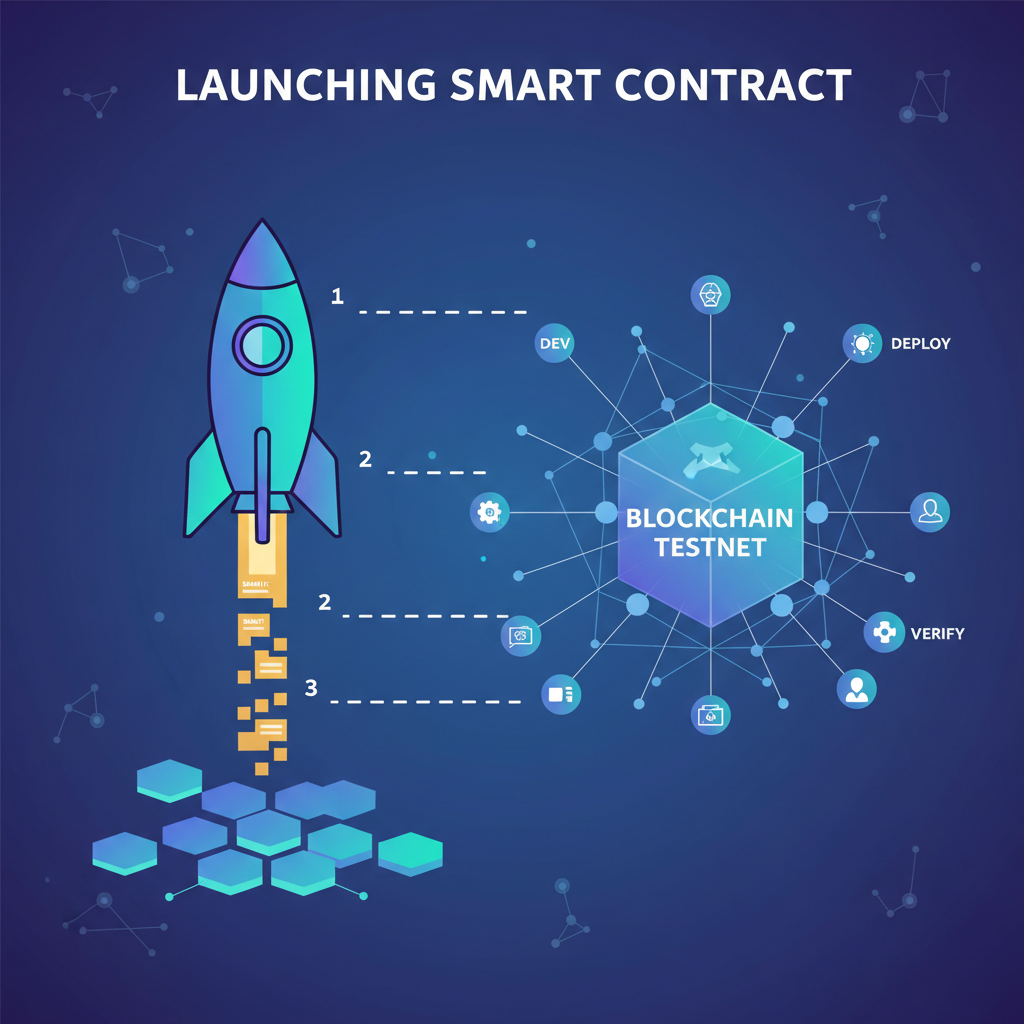
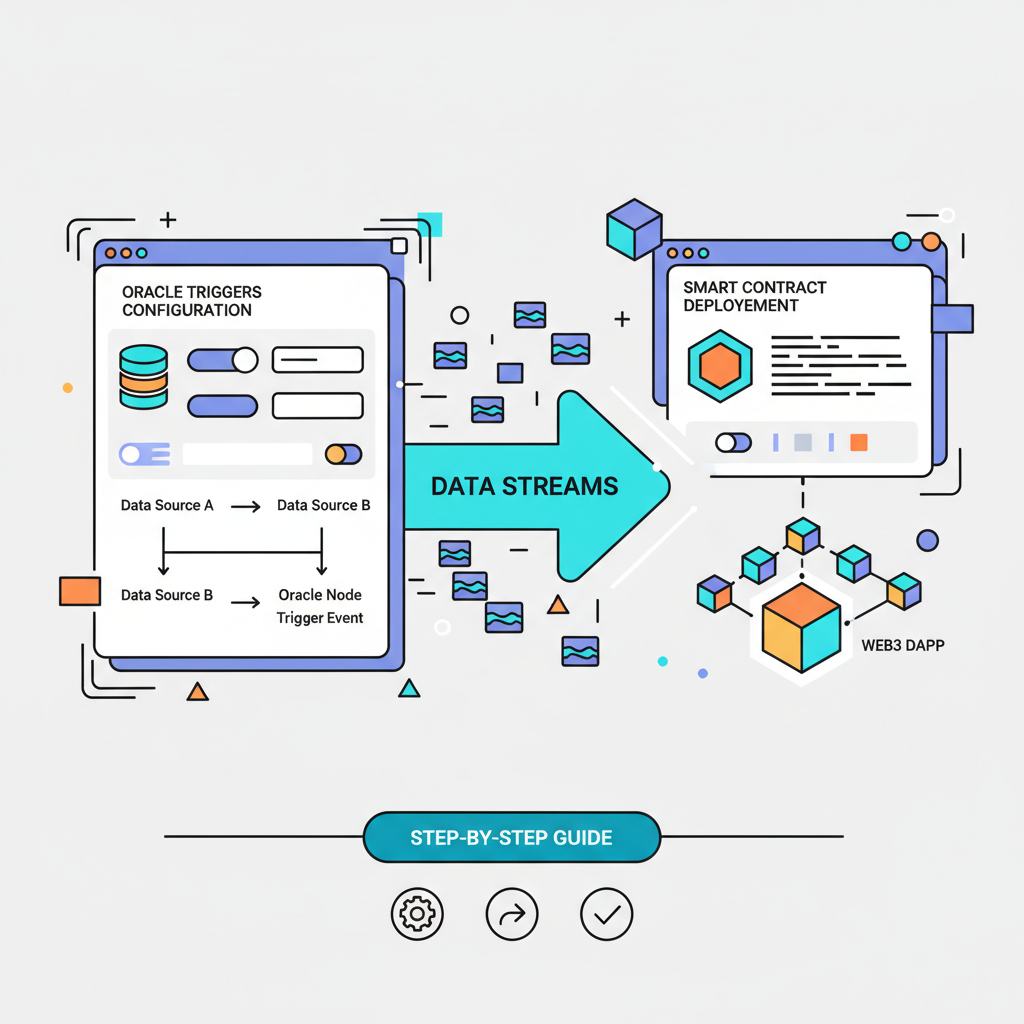
Master Secure EventOracle Push Triggers for Dynamic Web3 Gaming
Gaming’s Vanguard: Case Studies and Tactical Wins
Scaling Horizons: Event-Driven Futures in Web3 Play