Why polling fails in fast markets
Traditional price oracles rely on a polling mechanism: a smart contract requests data, and the oracle node fetches the current price from an external API at fixed intervals. This approach works adequately for stable assets or low-frequency settlements, but it breaks down in high-frequency DeFi environments where market conditions shift between blocks.
The core issue is latency. In volatile markets, the time gap between a price change in the real world and its reflection on-chain can be significant. During this window, the on-chain price becomes stale. Traders exploit this discrepancy through arbitrage, buying underpriced assets from the protocol and selling them at market value, effectively draining liquidity. For leveraged positions, this delay is catastrophic. A user’s collateral might be worth less than the liquidation threshold in reality, but the protocol doesn’t see the drop until the next poll. By then, the position is underwater, and the liquidation process may fail or result in unfair losses for the borrower.
The latency gap between block time and real-world market movement creates a dangerous blind spot for protocols relying on static price feeds.
Consider a flash loan attack on a lending protocol. If the oracle polls every 15 minutes, an attacker can manipulate the underlying asset’s price on a centralized exchange, trigger a flash loan to buy the asset, artificially inflate the price, and then repay the loan while the protocol still sees the old, lower price. The protocol approves the transaction based on outdated data, allowing the attacker to exit with profit while leaving the protocol insolvent. Event-driven oracles solve this by triggering updates only when significant price changes occur, ensuring the on-chain state reflects reality much closer to the moment of execution.
Event-Driven Oracle Architecture
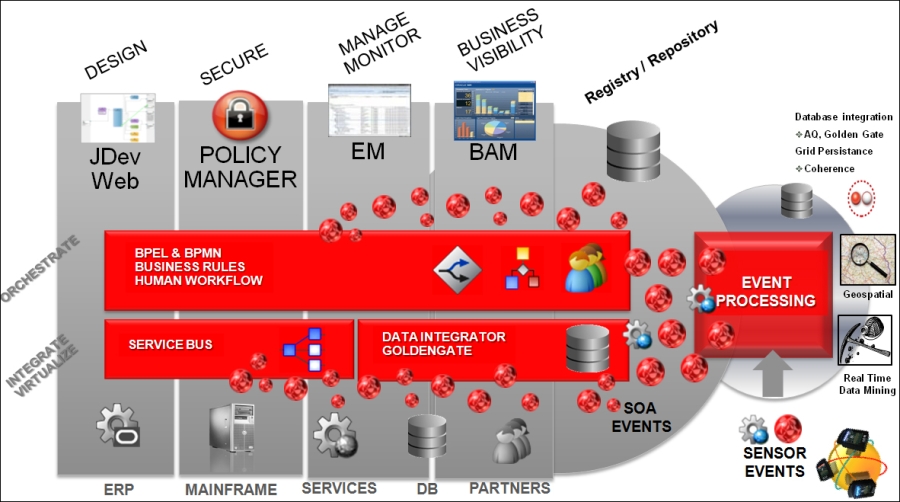
Traditional oracles often operate on a pull-based model, where a smart contract must explicitly request data at specific intervals or upon transaction execution. This approach introduces latency and creates gaps in data availability, which can be exploited by arbitrageurs or lead to stale pricing in volatile markets. Event-driven oracles shift this paradigm by adopting a push-based architecture, where data feeds are streamed continuously to the blockchain as soon as they occur in the real world.
In an event-driven system, oracle nodes act as listeners for external data sources—such as exchange order books, weather APIs, or IoT sensors. When a predefined condition is met or new data arrives, the node packages this information into an event and broadcasts it to the network. This ensures that smart contracts receive real-time updates without needing to poll for changes, significantly reducing the window for manipulation and improving the accuracy of automated financial instruments.
This architecture relies on message queues and streaming protocols to decouple data generation from consumption. By processing events asynchronously, the system can handle high-frequency data streams from multiple sources simultaneously. For DeFi protocols, this means that liquidations, yield calculations, and collateral adjustments can trigger instantly based on the most current market conditions, rather than waiting for the next scheduled oracle update.
Top event-driven oracle solutions
The event-driven oracle market has matured beyond simple price feeds. Modern protocols now specialize in triggering smart contract logic based on specific real-world occurrences, such as flight delays, weather changes, or sports results. These solutions prioritize low-latency data delivery and cryptographic verification to ensure that automated payouts and state changes occur instantly and accurately.
Choosing the right oracle depends on the specific data source and the required finality. Below are leading providers that excel in different niches of event-driven automation.
Leading event-driven oracle protocols
-
Chainlink Functions
A decentralized compute network that allows developers to run custom code in response to on-chain events. It supports a wide range of data sources, from APIs to cloud services, making it ideal for complex event logic that standard price feeds cannot handle. -
Pyth Network
Focused on ultra-low-latency financial data, Pyth pushes updates directly to wallets and chains. Its event-driven model is optimized for high-frequency trading scenarios where milliseconds matter, providing verified market data with minimal delay. -
Supra Oracles
Supra uses a novel in-house consensus mechanism to aggregate data from multiple sources. It offers high throughput and finality, making it suitable for DeFi applications that require frequent, real-time updates without the congestion issues seen in other networks. -
API3
API3 enables first-party oracles, where the data provider runs the oracle node themselves. This reduces counterparty risk and ensures that the data feed is not altered by third parties, a critical feature for trustless event triggers.
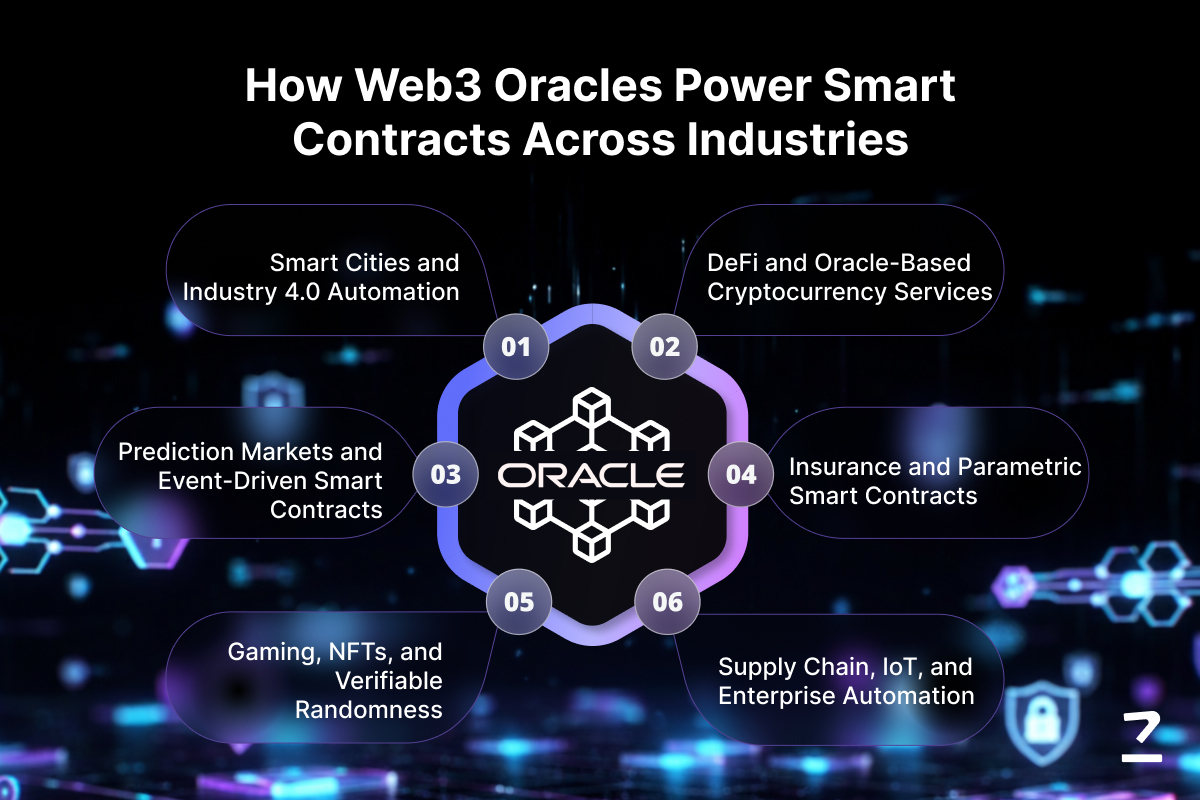
These protocols demonstrate that event-driven oracles are no longer a niche experiment. They are foundational infrastructure for DeFi, enabling everything from parametric insurance payouts to automated market maker rebalancing. As the ecosystem grows, the distinction between "price" and "event" oracles will likely blur, with most major providers offering both capabilities under a unified architecture.
Real-time data feed use cases
Event-driven oracles move beyond static snapshots to power active DeFi mechanisms. Instead of polling prices at fixed intervals, these oracles trigger actions the moment a market condition is met. This immediacy is the difference between a system that reacts slowly and one that protects capital in real time.
Liquidation protection
Liquidations are the most critical application of real-time data feeds. When a borrower’s collateral value drops below a required threshold, the protocol must liquidate the position instantly to prevent insolvency. Traditional polling oracles might miss the exact moment of a flash crash, leaving the protocol undercollateralized. Event-driven oracles detect the price drop the millisecond it happens, initiating the liquidation process immediately. This reduces the risk of bad debt and ensures the protocol remains solvent even during volatile market swings.
Derivatives and perpetual futures
Perpetual futures contracts rely on accurate, real-time price oracles to mark positions to market. Traders need to know their exact PnL and margin levels without delay. If an oracle feed lags, traders might be unfairly liquidated or fail to close positions at the correct price. Event-driven oracles provide the continuous data stream needed for accurate marking. This allows exchanges to settle trades fairly and maintain liquidity, even when volatility spikes. The result is a trading environment where price discovery is accurate and execution is reliable.
Implementing event triggers in contracts
Integrating real-time data into smart contracts requires moving beyond simple polling. Instead of checking a price feed at fixed intervals, you can configure your contract to react instantly when an oracle pushes a new value. This event-driven approach reduces latency and gas costs by processing data only when it actually changes.
The Chainlink CCIP Pattern
A common implementation uses Chainlink’s Cross-Chain Interoperability Protocol (CCIP). Your contract listens for a FulfillUpkeep or similar callback event. When the oracle detects a price threshold breach, it triggers the fulfillment function, allowing your logic to execute immediately without waiting for the next block.
Optimism’s Superchain Oracles
For L2 ecosystems like Optimism, you can leverage the Superchain’s native oracle infrastructure. By subscribing to specific event logs on the L1 bridge, your contract can verify state roots in real time. This ensures that your DeFi positions are adjusted based on verified, on-chain data rather than relying on off-chain assumptions.
Handling Reverts
Always include a require statement to validate the oracle’s response. If the data feed is stale or the transaction fails, the contract should revert safely. This prevents malicious actors from exploiting stale prices during high-volatility events, ensuring your protocol remains solvent.
Common questions about oracles
Developers often worry about the overhead of real-time data feeds. Event-driven oracles solve this by decoupling data sources from smart contracts, ensuring that DeFi protocols only react to verified, high-value signals rather than polling constantly.
No comments yet. Be the first to share your thoughts!