Why traditional oracles lag
DeFi protocols operate on a simple premise: price data must be accurate and immediate. If a price feed is stale, arbitrageurs exploit the gap, draining liquidity pools and leaving honest traders with slippage. For years, the industry relied on polling oracles to solve this. These systems pull data at fixed intervals—every few seconds or minutes—regardless of whether the underlying asset price has actually moved.
This scheduled snapshot approach introduces unnecessary latency. In high-frequency trading environments, a delay of even a few seconds can be the difference between a profitable trade and a significant loss. Polling oracles are like checking the weather once an hour; you might miss the storm that arrived five minutes ago. By the time the oracle reports a price change, the market has often already adjusted, leaving the protocol’s data outdated.
The result is a fragile system where yields are eroded by arbitrage and users suffer from poor execution prices. As DeFi protocols become more sophisticated, the reliance on periodic polling becomes a bottleneck. The industry is shifting toward event-driven architectures that react instantly to blockchain state changes, reducing latency from seconds to milliseconds and ensuring that price feeds reflect reality in real-time.
How event-driven oracles work
Event-driven oracles solve DeFi latency by shifting from a pull-based model to a push-based architecture. Traditional oracles often rely on external smart contracts to periodically request data, creating a lag between an event occurring on-chain and the oracle updating its records. This polling method leaves a window of vulnerability where prices or state changes go unnoticed.
Instead of waiting for a request, event-driven oracles deploy listeners that monitor the mempool or specific chain events. These listeners watch for transactions that match predefined criteria, such as a large trade on a decentralized exchange. The moment a matching transaction is detected, the oracle immediately processes the data and pushes the update to the relevant smart contracts. This mechanism ensures that the oracle’s state reflects reality with minimal delay.
This push model fundamentally changes how decentralized applications access information. By reacting to events as they happen, oracles eliminate the need for constant polling, which reduces gas costs and network congestion. The result is a more responsive DeFi ecosystem where trades, liquidations, and settlements execute based on the most current data available, rather than stale snapshots.
The technical implementation relies on efficient event filtering. Listeners use topics and filters to ignore irrelevant transactions, focusing only on those that trigger an oracle update. This precision allows the system to handle high volumes of blockchain activity without becoming overwhelmed. As DeFi protocols continue to evolve, event-driven oracles provide the necessary infrastructure for real-time financial applications that require accuracy and speed.
Implementing automated triggers
Setting up automated triggers requires moving from passive data fetching to active event listening. The goal is to eliminate manual intervention by having smart contracts react instantly to market changes. This approach reduces latency and prevents execution gaps that occur when traders rely on periodic polling.
The implementation follows a linear flow: define the event, listen for it, validate the data, and execute the transaction. Each step must be reliable to ensure the oracle data is accurate before funds are at risk.
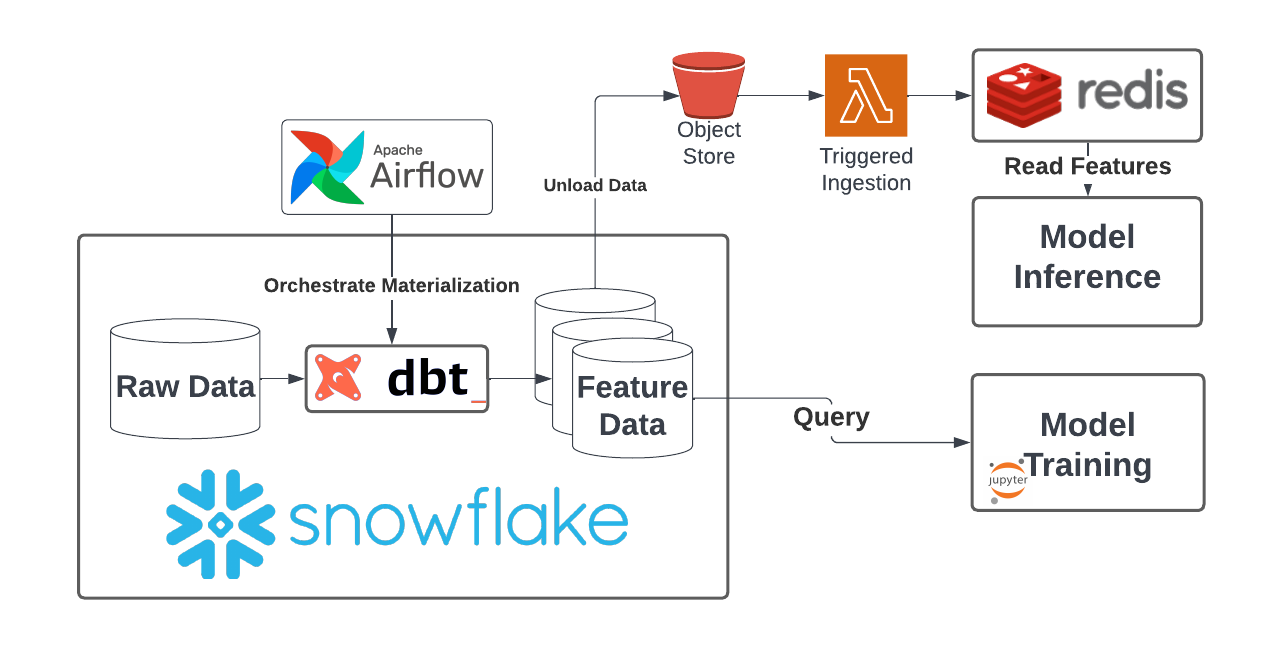
Start by identifying the specific on-chain or off-chain events that should initiate a smart contract function. Common triggers include price thresholds, time-based intervals, or state changes in related contracts. Define these conditions clearly in your application logic so the listener knows exactly what to watch for.
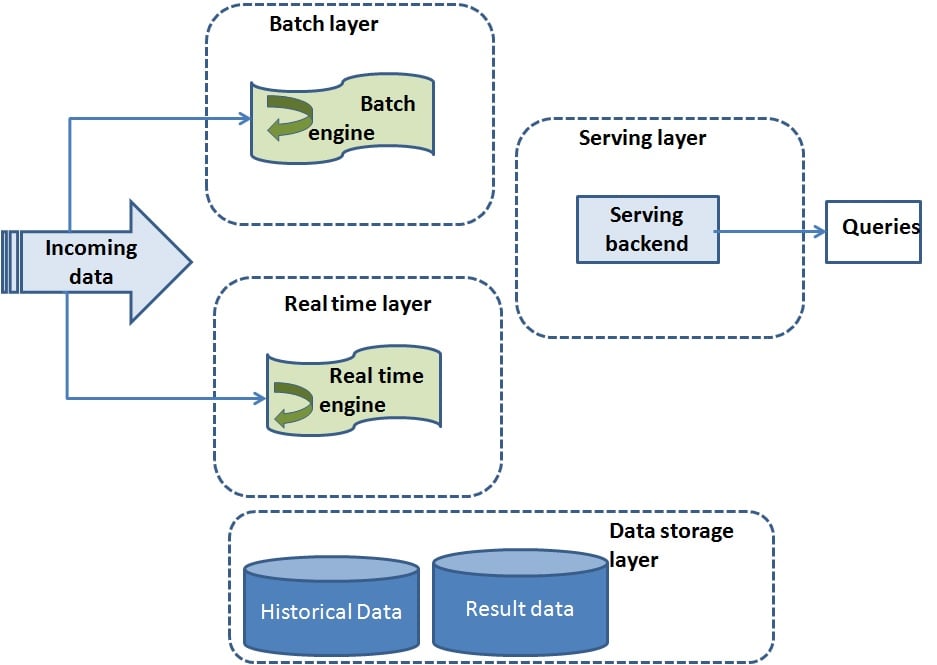
Deploy a node or use a service like The Graph to subscribe to blockchain events. Listeners monitor the mempool and finalized blocks for specific signature hashes or topic filters. When a matching event is detected, the listener captures the payload and passes it to your execution engine.
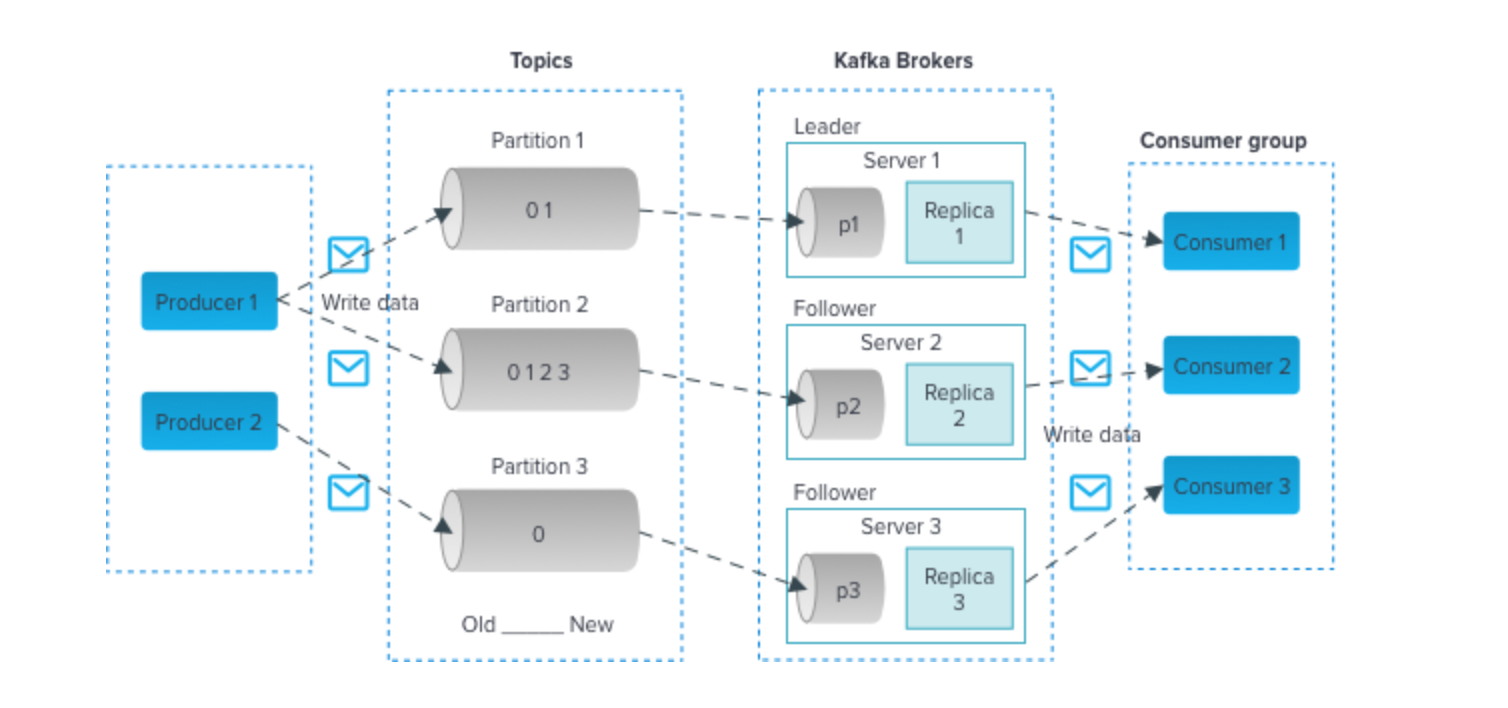
Before executing any transaction, verify that the data from the event-driven oracle is still valid and within acceptable deviation limits. Check the timestamp and source integrity to prevent stale data from triggering trades. This step acts as a safety net against reorgs or delayed block confirmations.
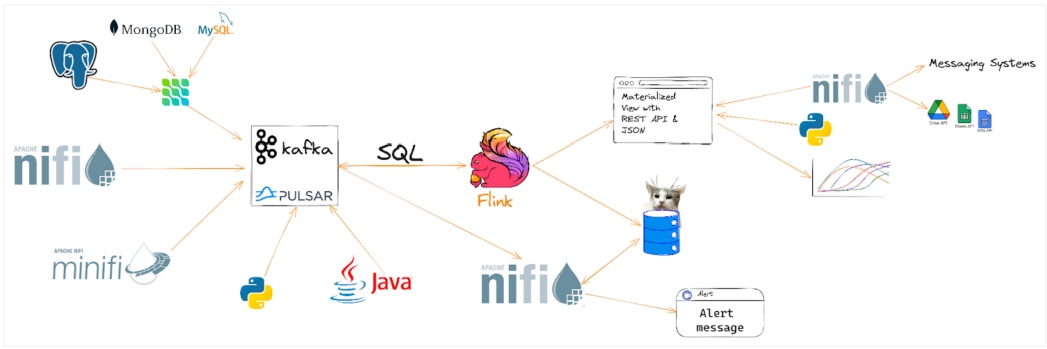
Once validated, sign and broadcast the transaction to the blockchain. Use gas optimization techniques to ensure the transaction is included quickly without overpaying. The smart contract should then update its state based on the new oracle data, completing the automated loop.
This architecture ensures that your DeFi positions are managed in real-time. By automating the trigger-to-execution path, you remove human error and latency from the equation.
Common integration mistakes
Event-driven oracles offer speed, but they introduce a specific set of failure modes that static or polling oracles rarely face. The primary keyword cluster here is event-driven oracles, and the biggest risk is not that the data is wrong, but that the system processes it at the wrong time or in the wrong order.
Race conditions in state updates
When multiple events arrive nearly simultaneously, the oracle must update its internal state atomically. If two price feeds update within the same block, a naive implementation might overwrite the first update with the second, or vice versa, depending on network latency. This creates a "race condition" where the contract sees a price that never actually existed in the blockchain state.
To avoid this, systems must use versioned state or sequence numbers. Each event carries a monotonically increasing ID. The oracle rejects any event with an ID lower than the last processed one. This ensures that even if events arrive out of order, the final state reflects the most recent valid information.
Duplicate event processing
Network retries are standard in distributed systems, but they are fatal for idempotent financial operations. If an oracle processes a "price update" event twice, it might trigger a liquidation twice, draining user funds or causing a cascading failure across the DeFi protocol.
The solution is idempotency keys. Every event should have a unique identifier that the oracle checks against a history of processed events. If the ID has been seen before, the oracle ignores the payload. This prevents duplicate execution without requiring complex locking mechanisms that could bottleneck throughput.
Failure to handle chain reorgs
Blockchain reorganizations are rare but inevitable. When a longer chain replaces a shorter one, the "confirmed" block might be orphaned. If an event-driven oracle acted on data from an orphaned block, it has already committed to a state that is now invalid. Reversing this state is difficult and often impossible without a complex rollback mechanism.
Robust oracles implement a confirmation depth. They do not act on an event until it is buried under a certain number of subsequent blocks. This buys time for the network to stabilize. For high-frequency trading oracles, this latency is a trade-off for safety. As noted in research on event-driven systems, transient errors must be distinguished from persistent state changes to maintain system integrity [src-serp-5].
The cost of being wrong
In DeFi, a latency error is not just a bug; it is a financial loss. A race condition can lead to arbitrage losses for liquidity providers. Duplicate processing can lead to insolvency. Ignoring reorgs can lead to total protocol collapse.
When designing event-driven oracles, prioritize correctness over speed. A slightly slower oracle that is always right is more valuable than a fast oracle that is occasionally wrong. The architecture must assume that the network is unreliable, events are duplicated, and blocks can disappear.
Event-driven versus orchestration
Choosing between event-driven architectures and orchestration patterns depends on how your DeFi infrastructure handles latency and failure. Event-driven systems react to specific triggers, allowing components to communicate asynchronously. Orchestration relies on a central controller that directs the flow of tasks in a linear sequence.
The table below compares the core trade-offs for each approach.
| Aspect | Event-Driven | Orchestration |
|---|---|---|
| Communication | Asynchronous messaging | Synchronous calls |
| Scalability | High; scales independently | Limited by central controller |
| Debugging | Complex; distributed traces | Simple; linear logs |
| Latency | Low; immediate reaction | Higher; sequential waits |
| Failure Handling | Decentralized retries | Centralized compensation |
Use event-driven patterns when you need real-time price updates or rapid reaction to market changes. Use orchestration when the sequence of operations is critical and must be strictly ordered, such as in atomic swap execution.
No comments yet. Be the first to share your thoughts!