
What event-driven oracles do
Event-driven oracles function as asynchronous data bridges that connect smart contracts to real-world occurrences. Unlike traditional polling oracles, which periodically query external data sources to check for updates, event-driven oracles wait for specific triggers. When a predefined condition is met in the external environment—such as a price threshold being crossed or an IoT sensor reporting a status change—the oracle broadcasts an event. This event then initiates the execution of the smart contract, ensuring that on-chain logic responds immediately to off-chain reality.
This architectural shift moves away from the "poll-and-check" pattern, which can introduce latency and unnecessary blockchain transactions. Instead, the system remains idle until a signal arrives. For example, a decentralized insurance protocol might listen for a flight delay event from an airline API. Only when that flight is officially delayed does the oracle submit the transaction to trigger the payout, eliminating the need for constant, costly checks.
The core mechanism relies on loose coupling between the data source and the smart contract. The contract does not need to know when or how often data is produced; it simply subscribes to the relevant event stream. This allows for greater agility and scalability, as microservices can fail or scale independently without disrupting the oracle's ability to relay critical information. The result is a system where smart contracts act on verified, real-time events rather than stale snapshots.
Architecture and data flow
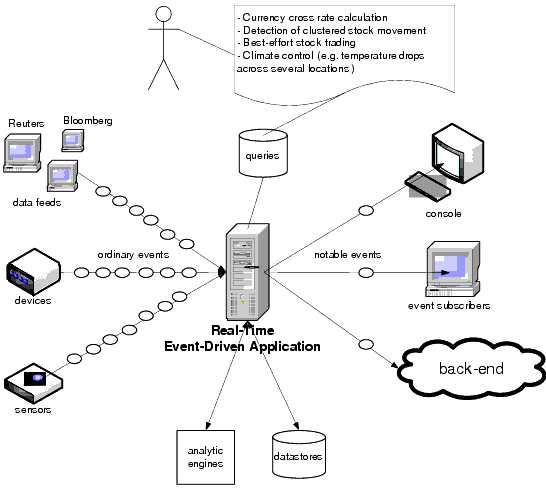
Event-driven oracles rely on an asynchronous pipeline that bridges the gap between off-chain reality and on-chain execution. Unlike traditional polling models where a smart contract periodically checks for updates, this architecture decouples data generation from data consumption. The system consists of four distinct layers: the event source, the message broker, the oracle node, and the smart contract listener.
The process begins with an event source. This is any external system that generates a state change. In the context of smart contracts, common sources include decentralized finance (DeFi) price feeds, IoT sensor networks, or traditional financial APIs. For example, a temperature sensor in a supply chain application might trigger an event when a shipment exceeds a specific threshold. These events are typically formatted as standard payloads, such as JSON, containing the data payload and metadata like timestamps.
Next, the event is published to a message broker. The broker acts as an intermediary, accepting the event from the source and holding it until an interested party consumes it. This step is critical for handling high-frequency data streams. Popular brokers like Apache Kafka or RabbitMQ provide the necessary throughput and durability to ensure no data is lost during peak loads. The broker does not process the data; it simply ensures reliable delivery from the source to the consumer.
An oracle node subscribes to the relevant topics within the message broker. Once the node receives the event, it performs the necessary validation, aggregation, or cryptographic signing. For instance, if multiple price feeds trigger simultaneously, the node might calculate a median price to prevent manipulation. After validation, the node formats the data into a transaction-ready payload and broadcasts it to the blockchain network.
Finally, the smart contract listener detects the on-chain transaction. Smart contracts in this architecture are designed with specific event listeners (such as emit statements in Solidity) that trigger internal logic only when new data arrives. This reactive approach ensures that the contract state updates immediately in response to real-world changes, maintaining consistency between the off-chain environment and the on-chain ledger.
Implementing oracle triggers
Configuring an oracle to listen for external events and push verified data to a smart contract is a multi-stage process. The architecture relies on asynchronous data flow, where off-chain services monitor specific conditions and execute on-chain transactions only when those conditions are met. This approach ensures that blockchain state updates are deterministic and cryptographically secure, rather than relying on continuous polling.
The implementation generally follows a four-step workflow: defining the event, configuring the oracle service, verifying the data, and executing the contract. Below is the technical breakdown of this sequence.
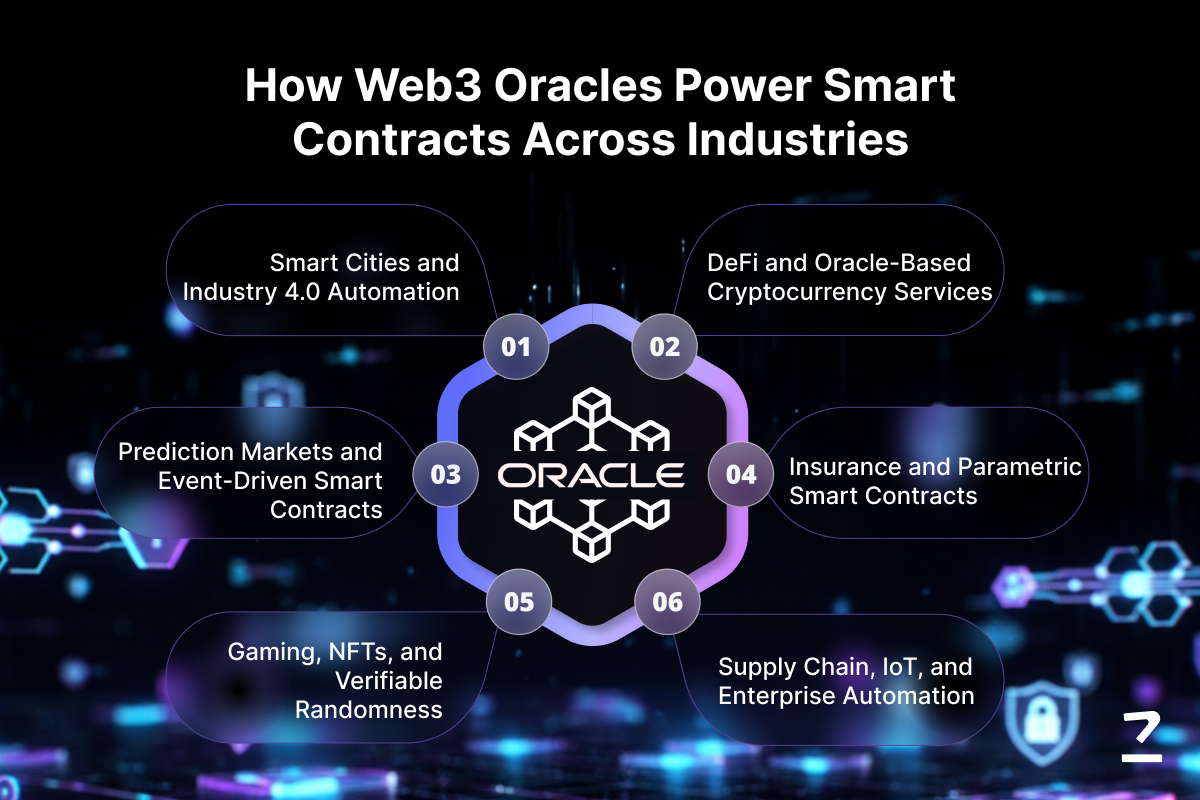
The first step is identifying the specific real-world event to monitor. This could be a price feed update from a decentralized exchange, a temperature threshold breach from an IoT sensor, or the arrival of a shipment tracked by a logistics API. Developers must define the exact data fields and the logical conditions (e.g., price > $100) that constitute a trigger. This definition acts as the filter for incoming data streams, ensuring only relevant events initiate the oracle workflow.
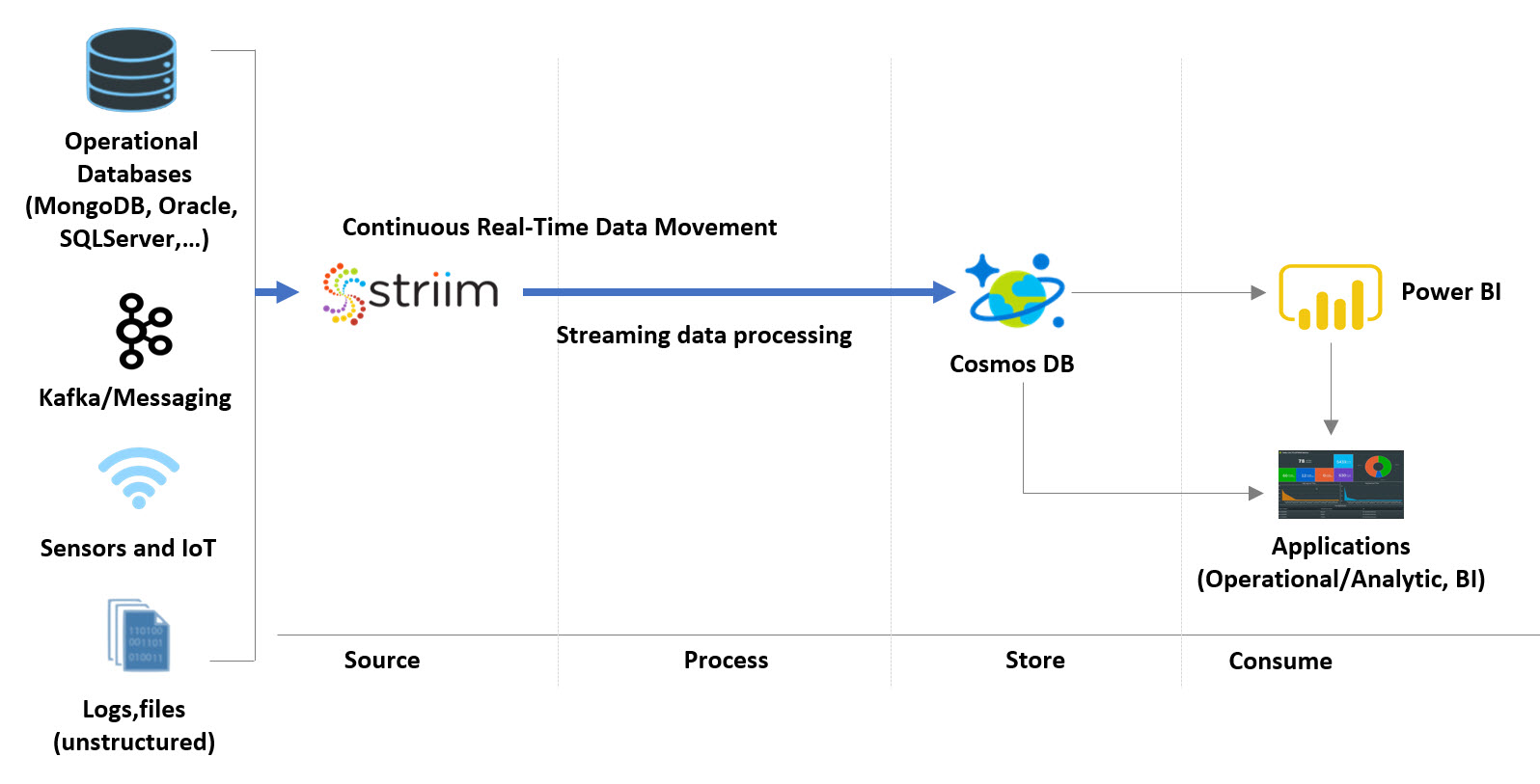
Once the event is defined, the oracle service must be configured to subscribe to the data source. This involves setting up a listener that connects to the off-chain data provider via WebSockets, REST APIs, or message queues. The oracle node runs continuously, ingesting raw data and comparing it against the predefined criteria. During this phase, developers often configure redundancy by connecting to multiple data sources to mitigate manipulation risks before any on-chain action is taken.
Before interacting with the blockchain, the oracle must ensure the integrity of the collected data. This step typically involves aggregation, where data from multiple independent sources is combined to reach a consensus. Cryptographic signatures are attached to the verified data payload. This verification layer is critical; it prevents single points of failure and ensures that the smart contract receives accurate, tamper-proof information. The oracle then packages this verified data into a transaction-ready format.
The final step is the execution of a transaction that calls the specific function on the target smart contract. The oracle signs this transaction with its private key and broadcasts it to the network. The smart contract receives the data, validates the oracle's signature, and updates its internal state. This completes the event-driven loop, allowing the blockchain application to react in real-time to off-chain changes without requiring constant, gas-intensive polling.
By following this structured approach, developers can build robust systems that bridge the gap between traditional data sources and immutable blockchain ledgers.
Event-Driven vs. Orchestration
Choosing between event-driven and orchestration architectures depends on how your smart contracts handle data flow and state changes. Event-driven systems react to discrete triggers, while orchestration manages sequential workflows through a central coordinator. Understanding this distinction is essential for building resilient smart contract systems that scale effectively.
Event-Driven Architecture
Event-driven architecture (EDA) is reactive and asynchronous. Components emit events—such as a price feed update from a decentralized oracle or a sensor reading from an IoT device—that other services subscribe to. This creates loose coupling; services don't need to know who is listening or what happens next. If a downstream service fails, the event persists in the queue until the service recovers, preventing data loss. This pattern is ideal for real-time data ingestion where latency and independence are priorities. Microservices can scale independently, and failures in one component rarely cascade to others.
Orchestration Architecture
Orchestration is centralized and sequential. An orchestrator acts as the conductor, directing each step of a workflow. It calls services in a specific order, waits for responses, and handles errors explicitly. This approach provides clear visibility into the state of a complex process, making it easier to debug and manage long-running transactions. However, it introduces a single point of failure and tight coupling. If the orchestrator goes down, the entire workflow halts. It is best suited for transactions that require strict ordering and immediate consistency, such as atomic swaps or multi-step asset transfers.
Comparison
The table below compares the two patterns across key architectural dimensions:
| Feature | Event-Driven | Orchestration |
|---|---|---|
| Coupling | Loose | Tight |
| Latency | Low (Async) | Higher (Sync) |
| Complexity | High (Distributed) | Medium (Centralized) |
| Failure Handling | Resilient (Queues) | Explicit (Retries) |
| Use Case | Real-time feeds, IoT | Atomic swaps, Workflows |
Common Implementation Pitfalls
Event-driven oracles introduce specific architectural risks that can destabilize smart contracts if not handled with precision. Unlike simple polling, asynchronous event flows require rigorous state management to prevent data corruption.
Event Duplication and Idempotency
Network retries or oracle node failures often cause the same price feed or IoT sensor reading to trigger multiple times. If your contract logic lacks idempotent checks, duplicate events can execute transactions repeatedly, draining funds or corrupting state. Always verify that each event signature or nonce is unique before processing.
Latency and Staleness
Real-time triggers depend on rapid propagation. High latency between the off-chain event and on-chain execution can lead to stale data being used for critical decisions, such as liquidations or automated trades. Implement timeout mechanisms or fallback data sources to handle delays gracefully.
Oracle Centralization
Relying on a single oracle source creates a single point of failure. If that node goes offline or is compromised, your contract becomes blind to market movements. Use decentralized oracle networks (DONs) to aggregate data from multiple independent sources, ensuring resilience against individual node failures.
No comments yet. Be the first to share your thoughts!