Event-driven oracles 2026 limits to account for
The shift toward event-driven oracles in 2026 is defined by a specific technical constraint: the trade-off between data freshness and transaction finality. Unlike traditional polling models that fetch data at fixed intervals, event-driven systems react to on-chain state changes or off-chain triggers in real time. This introduces a latency variable that developers must account for in smart contract design.
In 2026, the primary constraint is not just speed, but reliability under high network congestion. Event-driven oracles must guarantee that the trigger event is cryptographically verified before execution. This verification step adds a small but critical delay, ensuring that the data used for DeFi positions is not manipulated during block finalization windows.
For developers, this means moving away from static price feeds. You must design contracts that can handle asynchronous updates. The oracle does not push data; it pushes an event. Your contract must listen, verify, and then act. This pattern reduces gas costs by avoiding unnecessary polling but requires more complex state management on the client side.
The constraint also affects liquidity. If an event-driven oracle lags during a flash crash, liquidations may execute at stale prices. This risk is mitigated by using multiple oracle sources, but it increases the complexity of the integration. The 2026 standard favors oracles that can prove event validity within the same block or a predictable, short window.
Event-Driven Oracle Tradeoffs in 2026
Choosing an oracle architecture for 2026 DeFi requires balancing latency against consistency. Event-driven oracles react to external triggers, offering speed but introducing complexity in state management. Traditional periodic pull models remain stable but often lag during high-volatility events. The decision hinges on whether your protocol prioritizes immediate price discovery or settled, auditable data integrity.
Latency vs. Finality
Event-driven systems reduce the window for stale data attacks by pushing updates instantly. However, this speed comes with higher gas costs and potential reorg risks if the underlying blockchain reorganizes. Pull-based oracles, while slower, provide a clear, final state that is easier to audit and less prone to transient network errors. For lending protocols, finality often outweighs the marginal latency benefit.
Complexity and Maintenance
Implementing event-driven oracles requires sophisticated off-chain infrastructure to monitor triggers and validate signatures. This increases the operational burden and attack surface for oracle providers. Pull oracles are simpler to integrate, relying on standard request-response cycles. Teams with limited engineering resources may find pull models more sustainable, while sophisticated protocols can justify the overhead of event-driven pipelines.
Cost Efficiency
Gas costs on Ethereum and L2s vary significantly between push and pull models. Event-driven oracles may trigger frequent state changes, accumulating higher cumulative costs. Pull oracles batch updates, allowing for more efficient gas usage per data point. In 2026, with L2 fragmentation, the cost differential can impact the viability of micro-transactions or high-frequency trading strategies.
| Feature | Event-Driven | Pull-Based |
|---|---|---|
| Latency | Low (ms) | High (mins) |
| Gas Cost | Variable/High | Batched/Low |
| Finality | Complex | Simple |
| Complexity | High | Low |
Speed without finality is just noise. Event-driven oracles win on latency, but pull models win on trust.— DeFi Architect
Decision Framework
Evaluate your protocol's risk tolerance. If your use case involves high-frequency trading or arbitrage, event-driven oracles provide the necessary speed. For stablecoin collateralization or long-term derivatives, pull-based oracles offer the finality needed to prevent disputes. Consider hybrid models that use event-driven feeds for liquidation triggers and pull-based feeds for settlement.
How to evaluate event-driven oracle integrations
Event-driven oracles have become the standard for 2026 DeFi because they react to on-chain state changes rather than relying on static intervals. This shift reduces latency and prevents stale data attacks that plagued earlier iterations. To integrate these systems effectively, you need to audit the trigger mechanisms, verify the data sources, and test the fallback protocols. Use this framework to decide which oracle provider fits your protocol’s risk tolerance and performance needs.
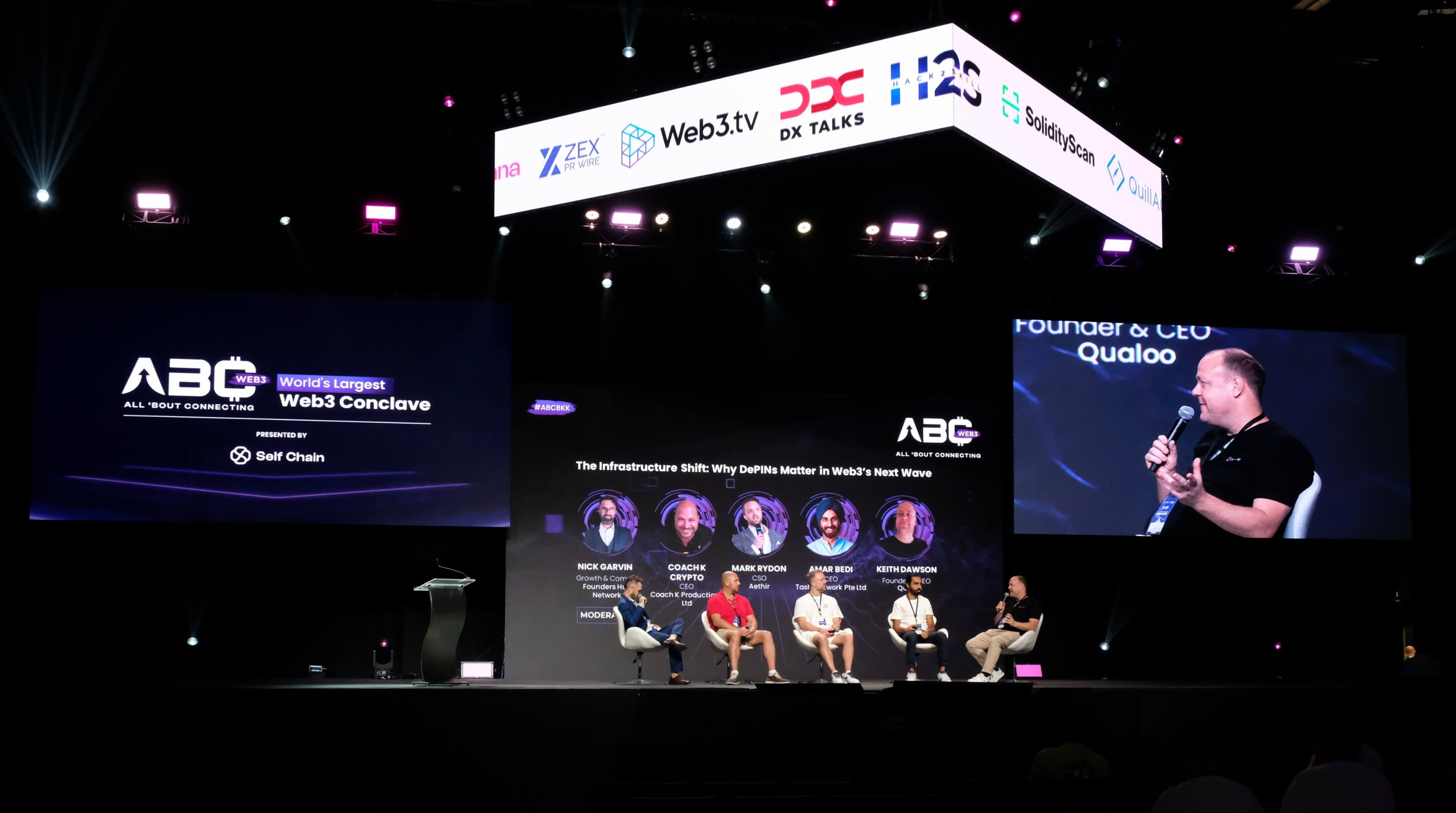
Event-driven oracles fire only when specific conditions are met, such as a price deviation threshold or a block height milestone. Review the smart contract code to ensure the trigger logic is deterministic and cannot be gamed by front-running bots. If the trigger relies on off-chain signals, verify that the relay mechanism is decentralized to prevent single-point failures.
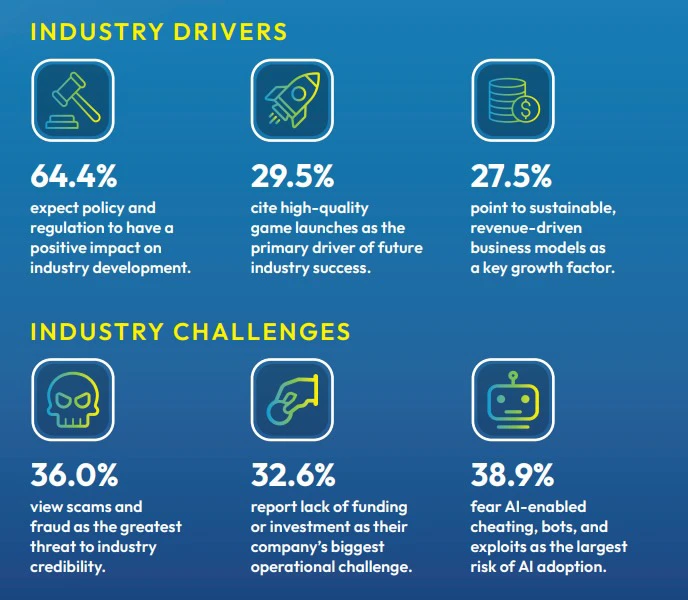
The value of an event-driven oracle depends entirely on the accuracy of the event it reacts to. Check if the data comes from a single exchange, a decentralized aggregator, or a hybrid oracle network. Prefer sources that cross-reference multiple liquidity pools to mitigate manipulation risks. If the oracle aggregates data from off-chain APIs, ensure the API providers have uptime guarantees and historical data transparency.
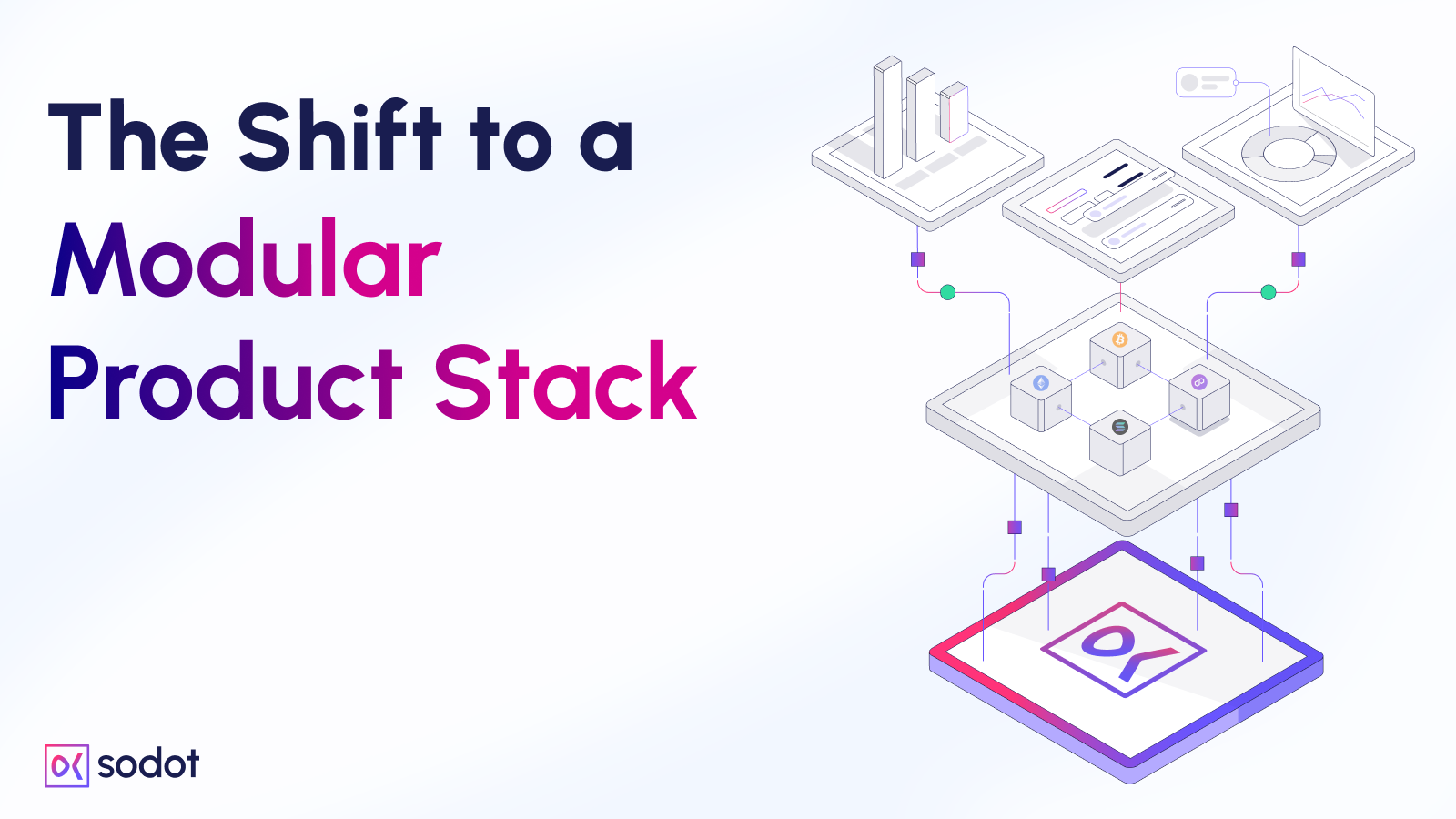
No oracle is infallible. When the primary event stream fails, does the protocol revert, pause, or switch to a stale price? Evaluate the fallback logic to ensure it aligns with your protocol’s safety requirements. A robust fallback should include a time-weighted average price (TWAP) from a secondary source or a community governance vote to resolve discrepancies. Test these scenarios in a forked mainnet environment before deployment.
Event-driven oracles often require more gas for frequent updates or complex verification steps. Compare the gas costs against the potential savings from reduced slippage and improved capital efficiency. If your protocol handles low-frequency trades, a static oracle might be more cost-effective. For high-frequency trading platforms, the higher gas overhead is justified by the reduced risk of oracle manipulation.
Common Oracle Misconceptions in 2026
Many developers still confuse Oracle’s enterprise database events with its developer ecosystem gatherings. The primary Oracle Conference 2026 is not held in Redwood Shores or Copenhagen; it is scheduled for Las Vegas from October 25–28, 2026. While the Analytics and Data Summit takes place in California in April, and other tech summits appear in search results for various locations, OpenWorld remains the central hub for the broader Oracle community.
Another frequent error involves Java release cycles. Oracle’s 2026 roadmap is not just about incremental updates. The team is actively shipping ahead-of-time (AOT) code compilation and finalizing the structured concurrency API. These are significant architectural shifts that affect how Java applications perform in production environments.
No comments yet. Be the first to share your thoughts!